Categories
Bokashi CITIES2030 Horizon2020-CITIES2030

Kokemus Bokashi- kompostoinnista 

Tämän blogin on kirjoittanut Sirkka-Liisa Kaukanen. Hän osallistuu Lahti Living Lab:n toteuttamaan bokashi kokeiluun kesän ja syksyn 2022 aikana.


Pari kuukautta alkaa olla bokashointikokemusta. Keittiöjätteitä onkin syntynyt mukavasti marjastuksen ja sienestyksen myötä. Erityisen runsaasti on syntynyt bokashointinestettä pihakasvien lannoitukseen. Nestettä tulee niin runsaasti, että sitä voi tuottaa myös naapurille.

Lämpimän sään ansiosta olen säilyttänyt astioita lasitetulla parvekkeella. Välillä tosin olen epäillyt, että tila voi olla ajoittain liian kuuma hellesäillä. Bokashoinnista on tullut hauska tapa, johon olen innostunut.Tiiviit astiat ja Bokashi-rouhe estävät hajuhaitat. Banaanikärpäsetkään eivät ole haitanneet tänä kesänä marja-aikaan.

Fermentoinnista on huomattavaa hyöty verrattuna tavalliseen kompostointiin.

Aiemman kokemuksen mukaan käyttäen lämpökompostoria olen tutkiskellut kompostointieneroja. Bokashoinnin fermentoinnissa hyödynnetään mikrobitoimintaa, jonka ansiosta hapatettu biomateriaali säilyttää kasvien tarvitsemat ravintoaineet, kuten typen valmiissa mullassa. Näin multa on ravinteikasta ja sopii hyvin kaikille kasveille. Näin ei tarvitse ostaa kaupasta ravinteita. Multa kuten biojätekin tuoksuu raikkaalta.

Lämpökompostorissa multa ei ehdi tekeytyä käyttökelpoiseksi vuoden aikana. Joka talvi kompostori jäätyy ja odottaa kevään aurinkoa sulattamaan sisältä. Toisinaan kompostoriin voi kehittyä homettakin, jos bakteerit tai sienet saavat yliotteen. Lämpökompostorissa näkyy pieniä ötököitä ja/tai matoja kantta avattaessa. Kaipa ne tekevät siellä omaa työtään. Bokashointiin verrattaessa keittiöjätteitä voi viedä päivittäin ja sekoittaa mukaan aina kuiviketta.  Kompostorihan ei ole ilmatiivis ja sen ilmastoinnista/tuuletuksesta on huolehdittava, ettei sisältö ala mädäntyä. Usein huomaa kuitenkin sisällön olevan liian kosteaa, kuivikkeesta huolimatta, jolloin kompostointi ei edisty kunnolla. Poistoputki kyllä työntää liiat nesteet ulos.

Ainakin opin, ettei bokashiastiaan kannata laittaa kahvin suodatinpusseja, kun ne eivät fermentoidu ja näkyy vielä ajan kuluttuakin multakompostorissa. Myös biojätteet kannatta pilkkoa mahdollisimman pieniksi, jotta astian saa täytettyä ilmatiiviisti.

Kokemukseni mukaan pidän bokashoinnista enemmän kuin lämpökompostorista, mikä ei ole tuottanut näin nopeasti raikasta multaa. Yllättävän paljon multaa syntyy muutamasta sangollisesta. Kaiken kukkuraksi multa on vielä ravinteikasta. Innolla jään odottamaan tuottamani mullan siirtoa ensi keväänä lavakauluksiin.
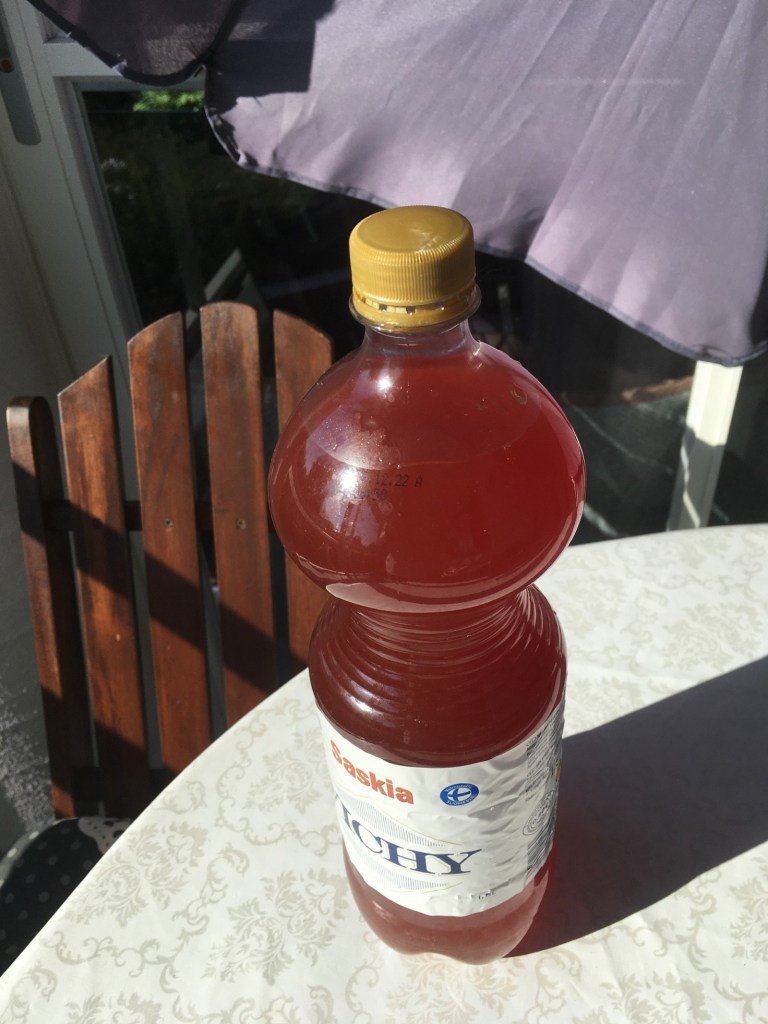

Tämän päivän annos bokashointinestettä kasvien ravinnoksi.

Categories
Bokashi CITIES2030 Horizon2020-CITIES2030

Ajatuksia Bokashi- kompostoinnin tiimoilta

Tämän blogin on kirjoittanut Sirkka-Liisa Kaukanen. Hän osallistuu Lahti Living Lab:n toteuttamaan bokashi kokeiluun kesän ja syksyn 2022 aikana.


Sain kesäkuussa 2 Bokashi astiaa ja kompostointiaineet Tuula Löytyltä juhannuksen jälkeen. Olin utelias bokashointi-menetelmästä. Aiemmin minulla on ollut kaksikin Biolanin lämpökompostoria puutarhajätekompostorin lisäksi. Silti puutarhajätettä on viety Kolavalle joka vuosi. Joskus olen joutunut laittamaan myös sekajätteeseen ruokajätettä – ja sehän on tuntunut pahalta! Usein olen pohtinut kuinka ne omat puutarha- ja ruokajätteet saisi helposti itse kompostoitua – TUOTTAVASTI.

Valitettavasti Suomen olosuhteissa lämpökompostorista ei ole juuri hyötyä talviaikana sen jäätyessä. Sähkölämmitystäkin siihen on ehdotettu, mikä ei ole mielestäni ratkaisu tällaisena energiapulan aikana. Oksat olen silpunnut katteeksi pensasaidoille ja perennapenkin kuihtuneet kukanvarret olen laittanut puutarhakompostoriin. Usein kuitenkin keväällä mies on sen tyhjentänyt ja vienyt maatumattomat jätteet Kolavalle.

Nyt virisi uusi toivo kompostoinnin suhteen.

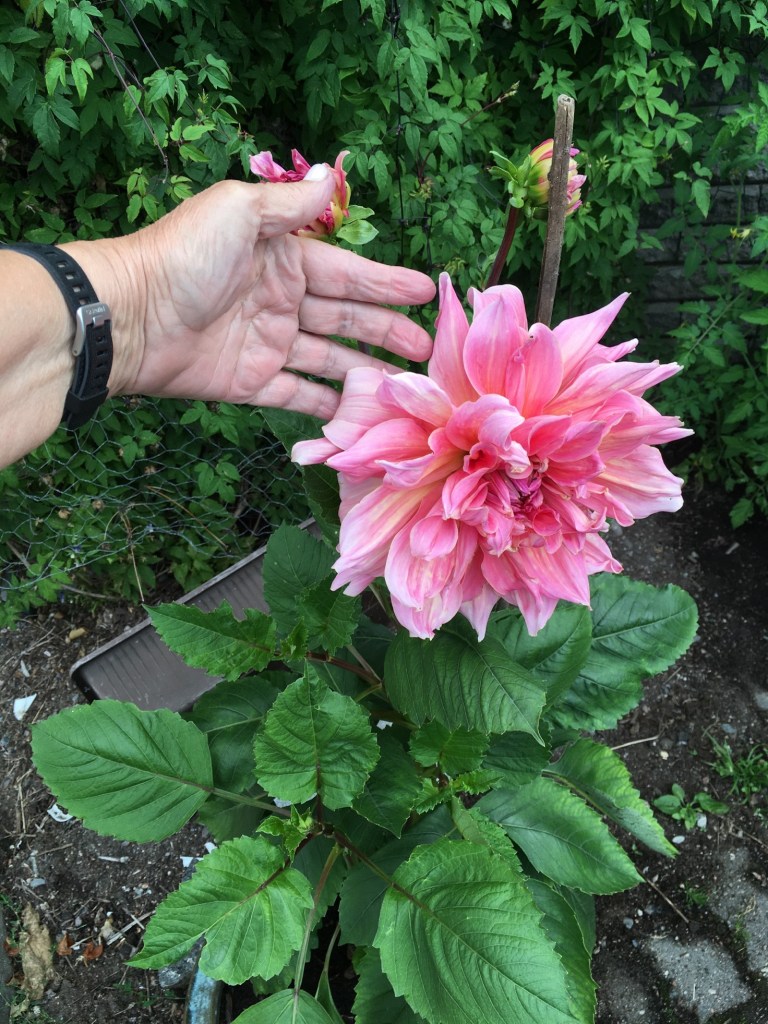
Juhannuksen jälkeen kävin hakemassa ison laatikon Tuulalta. Kotona avasin uteliaana laatikon. Sisällä oli kaksi kaunista kompostointisankoa. Mukana oli myös kompostoinnin lisäaineet ja mitta-astiat. Luin mukana tulleet ohjeet tarkkaan. Sitten vaan astiaa täyttämään. Välillä liruttelin nestettä kukkien lannoitteeksi. Sitähän tulikin 7 mitallista ensimmäisestä astiasta parin viikon aikana. Haju oli kyllä aika epämiellyttävää. Kaipa se oli juuri niin voimakasta. Laitoin sitä kastelukannuun ja kastelin vesiseoksella pioneja ja daalioitani sekä tomaattejakin. Kukat kasvoivat hyvin ja kauniit kukat puhkesivat kukkaan. Aine todellakin on hyvää ja edullista kasvien lannoitetta.

Parin viikon aikana ensimmäinen astia täyttyi ja laitoin sen fermentoitumaan. Fermentoitumisen jälkeen tuli aika sekoittaa se multaan vanhassa kompostorissani. Samaan aikaan täyttyy toinen sanko pikavauhtia, kun on marja-aika.

Parin viikon kuluttua oli jätteet sekoittuneet mullan seassa erinomaisesti. Multa oli hyvän näköistä. sekoittelin vielä hyvin ennen toisen sangollisen lisäämistä.


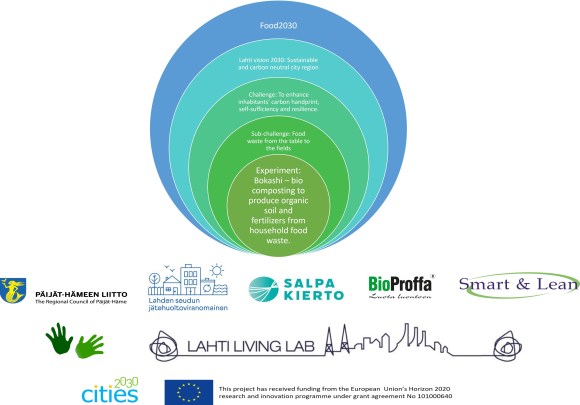
Tämä blogi liittyy Lahti Living Lab:in Bokashi-kokeiluun, jossa uudet bokashoijat testaavat ja oppivat Bokashi-biokompostointia.

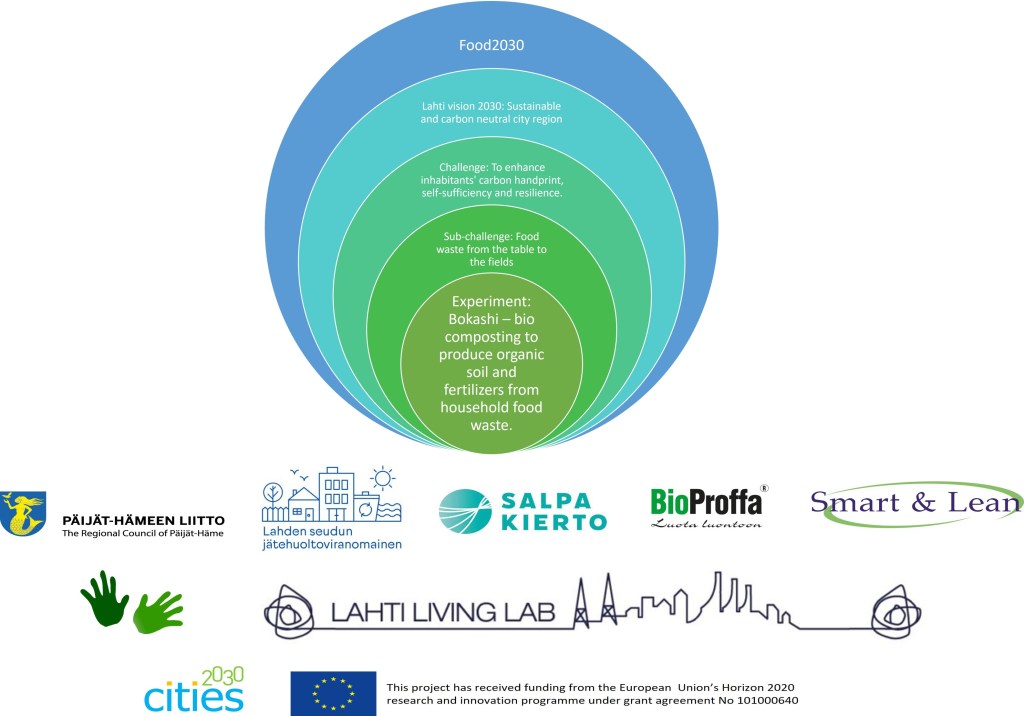
Kokeilun tavoitteena on tunnistaa kotitalouksien ruokajätteen biokompostoinnin tekijöitä, mahdollistajia ja esteitä sekä suunnitella ja testata parannuksia, käytäntöjä ja ratkaisuja kotitalouksien biokompostoinnin edistämiseksi. Bokashi-kokeilu edistää asukkaiden hiilikädenjälkeä, omavaraisuutta ja joustavuutta.

Lahti Living Lab:n toimijoita ovat myös Lahden seudun jätehuoltoviranomaiset ja jätehuoltoyhtiö Salpakierto Oy. Yhdessä he ohjaavat biojätteen käsittelyä alueella. Lisäksi Esbau Oy, joka on BioProffa-laitteiden jälleenmyyjä, osallistuu toimintaan. Päijät-Hämeen Liitto edistää alueellisesti ruokajärjestelmän muutosta kestävämpään suuntaan.

Bokashi-kokeilun rahoittaa Horizon2020 projekti Cities2030.

Categories
Bokashi CITIES2030 Horizon2020-CITIES2030

Bokashi in the urban food system

The blog is written by Liisa Karlsson in July 2022. It is associated with the Lahti Living Lab Bokashi bio composting experiment and Cities2030 project.


Originally from Japan, the bokashi method has the potential to reduce and utilize food waste. Introducing the method to the public does not come without its problems.

Although fairly low maintenance, not foolproof. Perfecting the bokashi process takes knowledge of the right bran to scraps ratio, draining the noxious liquid and moisture level, for example. For bokashi composting to become common in urban housing, more education and public information resources are needed.

Where should people in urban settings use the compost? Everyone doesn’t have access to their own garden and house plants need only so much new soil. In addition, the fermented waste isn’t technically completely ready after it’s taken out of the bokashi container, it needs to be further processed in the soil composting unit where it breaks down fully. This step is a major problem for some urban living situations. Hence a city or housing unit would need a common final composting destination. Ideally, this destination would be within walking distance of the housing, but in case it’s not would the transferring of the compost happen with a refuse collection vehicle. This would reset the waste transfer emission reduction. So why should we transfer the responsibility of biomass composting from the waste treatment facility to the public by bokashi if, in the end, the facilities need to step in anyways? 

Maybe we need to renovate the waste system altogether by taking inspiration from the electricity market. What if urban dwellers could sell the produced compost to the waste management industry so that they could forward the compost to gardens and agriculture. Much like we can sell solar energy back to the electric power network. In large enough quantity this could be extremely beneficial for horticulture and agriculture and soil quality. The small reward for composting could work as an incentive for composting. On the negative side, this would lead to multiple transferring trips adding to the emissions.

So, I see two major problems for the bokashi revolution, logistics, and education. If those two could be solved, we might be able to reduce the over 100 million kg of food waste produced in a year just in Finland alone. And on the side help agriculture with the huge problem of soil erosion.


This blog is associated with the Lahti Living Lab experiment on Bokashi bio composting. The Lahti Living Lab and the experiment engages new entrants to test and learn about Bokashi bio composting.

The aim of the experiment is to identify drivers, enablers, and obstacles of household food waste bio composting, and to devise and test improvements, practices, and solutions to promote household bio composting.

The bokashi experiment promotes inhabitants’ carbon handprint, self-sufficiency, and resilience.

The Lahti Living Lab embraces also Lahti region waste management authorities and waste management operator that is Salpakierto Oy. Together they guide biowaste handling in the region. In addition, Esbau who is the retailer of BioProffa equipment contributes to the action together, with other Bokashi experts. The Regional Council of Päijät-Häme promotes City Region Food Systems transition toward sustainability.

The experiment is supported by the Horizon 2020 project Cities2030.

Categories
Bokashi CITIES2030 Horizon2020-CITIES2030

Why you should compost waste food

The blog is written by Liisa Karlsson in June 2022. It is associated with the Lahti Living Lab Bokashi bio composting experiment and Cities2030 Horizon 2020 project.

Money

The city of Lahti is obligating the properties of five or more dwellings to sort and separate the collection of biowaste by 1 July 2022. Biowaste is then collected by independent companies leading to increased waste expenses for the households. An alternative to a separate collection of biowaste is composting biowaste with a composter which will save money. This obligation comes from a new waste act that entered into force in July 2021(City of Lahti, 2022).

In large quantities, compost can replace the chemical fertilizers and retain soil moisture so you water less. These points can accumulate to big money savings for individual households.

Improve your soil

Instead of paying to take the biodegradable household waste to landfills, it can be used to improve the soil of your land. Compost reduces soil nutrient loss and erosion by returning valuable nutrients to the soil. Thus, helping to maintain soil quality and fertility.

Big picture

Composting your waste will greatly benefit society and reduces your impact. Bio composting saves resources by keeping the valuable compost material out of the landfill, extending its lifespan. Also, less waste needed to be collected and transported will reduce fuel use.

In landfills biomass breaks down without proper access to oxygen, slowing down the composting process and producing methane and carbon dioxide gas. In addition, buried organics can react with metals and plasticizers through water flow in the landfill to produce leachate, a potential source of groundwater pollution.

Replacing chemical fertilizers with compost would lessen the eutrophication of our water bodies caused by the chemical runoff. And in long run leads to reduced social costs of eutrophication.

Household methods of composting

Household biowaste can be composted in a well-ventilated closed composter all year around. Other methods are the Bokashi method and Worm Composter. Although according to the city of Lahti these methods aren’t sufficient on their own but require additional composting with a traditional composter.


This blog is associated with the Lahti Living Lab experiment on Bokashi bio composting. The Lahti Living Lab and the experiment engages new entrants to test and learn about Bokashi bio composting.

The aim of the experiment is to identify drivers, enablers, and obstacles of household food waste bio composting, and to devise and test improvements, practices, and solutions to promote household bio composting.

The bokashi experiment promotes inhabitants’ carbon handprint, self-sufficiency, and resilience.

The Lahti Living Lab embraces also Lahti region waste management authorities and waste management operator that is Salpakierto Oy. Together they guide biowaste handling in the region. In addition, Esbau who is the retailer of BioProffa equipment contributes to the action together, with other Bokashi experts. The Regional Council of Päijät-Häme promotes City Region Food Systems transition toward sustainability.

The experiment is supported by the Horizon 2020 project Cities2030.

Categories
CITIES2030 Horizon2020-CITIES2030 Yleinen

Performance Assurance (PA) in the Research and Innovation Action (RIA)

I’m in the process to write my share into the Horizon2020 periodic report. The aim is that we – project consortium partners – look backward and assess what went well and what didn’t go so well. What was the performance and progress in the research and innovation action compared to the grant agreement?

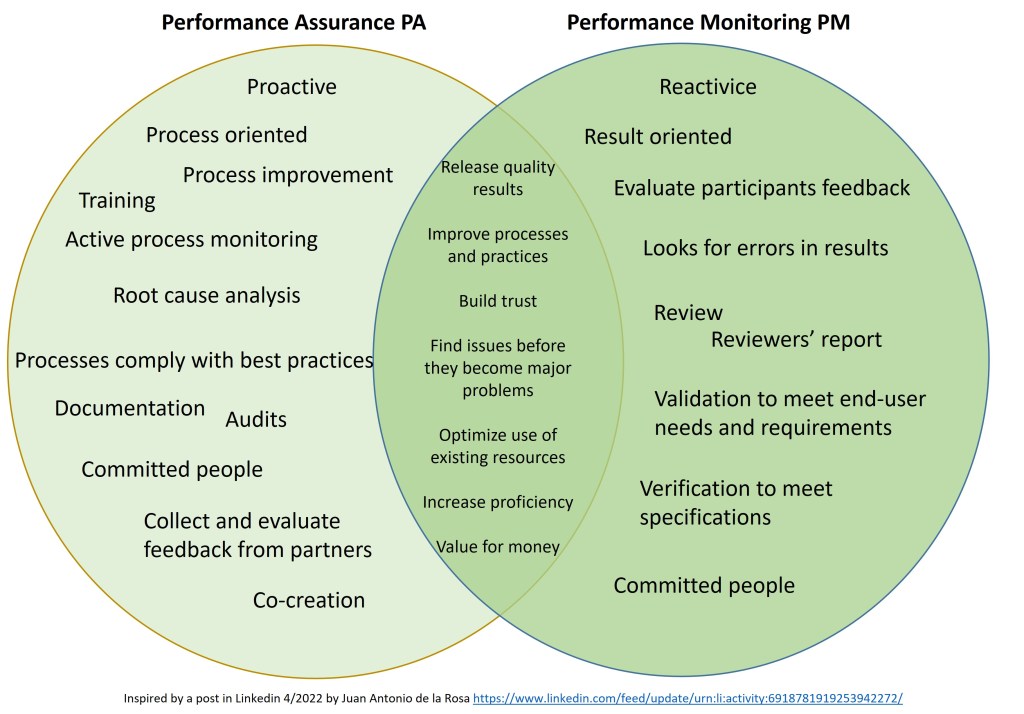
While writing I reflect on good Performance Assurance and Monitoring (PA/PM) practices that are in use in the best organizations e.g. in industrial organizations, public institutions, and companies. How do they assure and monitor their performance?

In Horizon2020 research and innovation projects, the purchaser of the action, i.e. European Commission, defines that the project coordinator’s responsibility is to monitor the project performance and progress.

However, it may happen that EC’s command rules the project practices. The project coordinator puts all efforts into Performance Monitoring (PM), and neglects Performance Assurance (PA). If the project coordinator doesn’t implement Performance Assurance (PA) practices into the project, it gives an unofficial mandate to all partners to comply same questionable example.

The efficient, right directed and timely Performance Assurance (PA) measures are key variables in the project execution, progress, and performance.

Performance Assurance (PA) measures build the conditions that all partners have an opportunity to succeed and carry out good work.

High-class performance in the project regarding quality, delivery, and cost (value v.s. working hours) is a result of the project culture.

A world-class high-performance culture calls for leadership, communication, values, work teams, structures, human capital, performance assurance, and performance monitoring.

Categories
CITIES2030

Lean-Agile Research Project Management

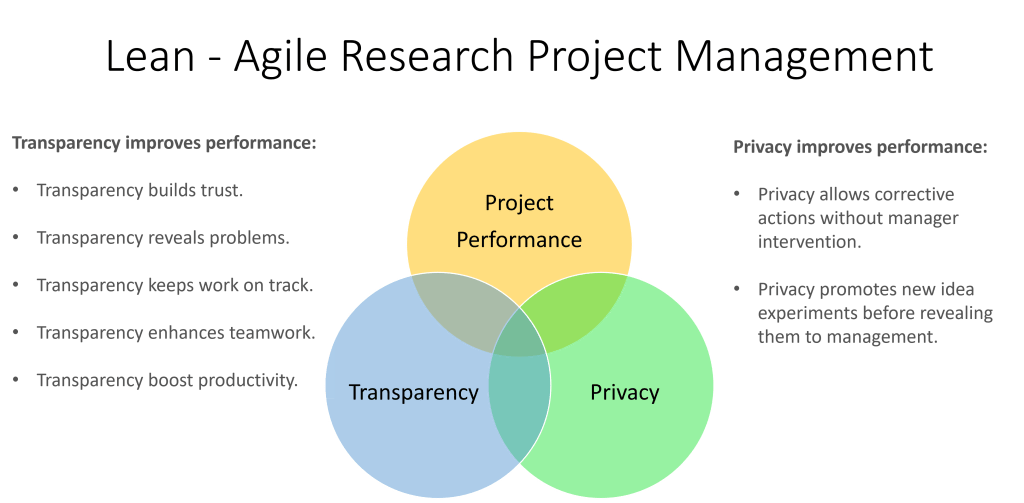
What does a balance between transparency and privacy mean to performance and progress in the research project environment?

Does enhanced transparency cause a burden for researchers or project leaders?

Does increasing privacy lead to self-managing teams?  

Categories
CITIES2030 Horizon2020-CITIES2030

Change factors of the City Region Food System

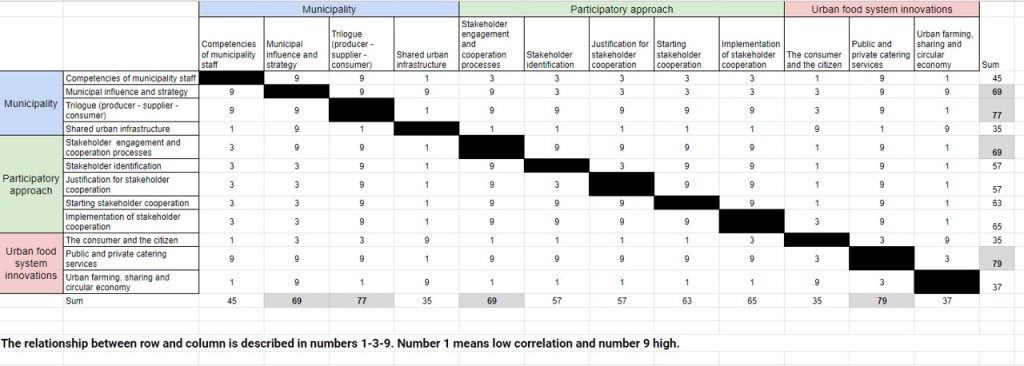
The correlation matrix maps and prioritizes change factors of the City Region Food System. 

The conclusion is that the food system transformation calls multiple stakeholders into action. Also, the municipality’s role as a policy and strategy maker is crucial. 

The matrix is a summary of brainstorming sessions arranged in Finland with food system innovators and developers. The organizers represent two Horizon2020 projects: Fusilli and CITIES2030

Categories
CITIES2030

The renaissance of cities’ food market halls

Finland lives a renaissance of food halls, at least if the example from Joensuu, Turku, and Seinäjoki mirror a general development.

Food halls are a visible and important element of the City Region Food System (CRFS). They support local food producers and promote a short supply chain.

City policymakers and local authorities have a key role in the management and development of food halls. They decide if the tradition of the food hall will continue in the city.

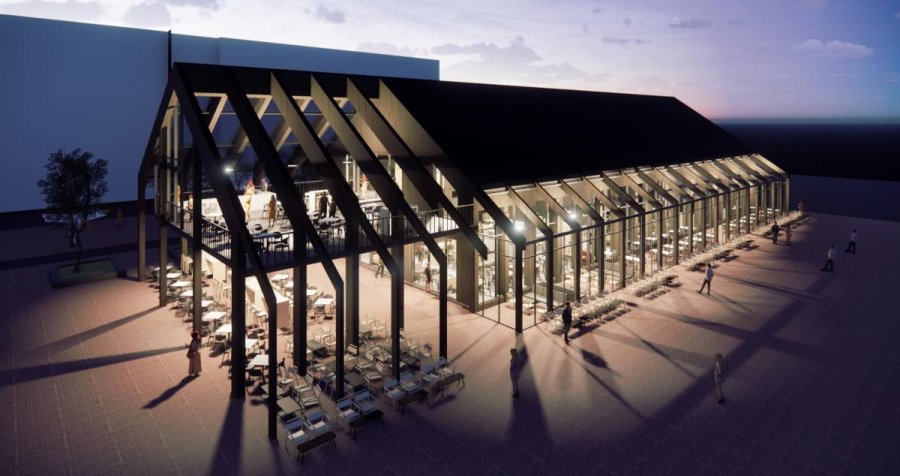
The city of Joensuu has approved that a new food hall can be constructed in the center of the city, by the marketplace. Construction work on the hall could begin as early as next fall.

The plan for Joensuu’s new food market

The city of Turku renews the entire market hall block. Turku’s food hall which was opened in 1896 will be the center of the renewed block.

Turku market hall

Arctic Food Market won an architect competition launched by the City of Seinäjoki. . The old locomotive garage in Seinäjoki got a new shape and function in the hands of architecture students.

In Finland, there are 15 food halls. Joensuu’s new market hall will be number 16. Source: WIKIPEDIA

Categories
CITIES2030 Horizon2020-CITIES2030 Yleinen

City of Lahti – a potential follower of CITIES2030?

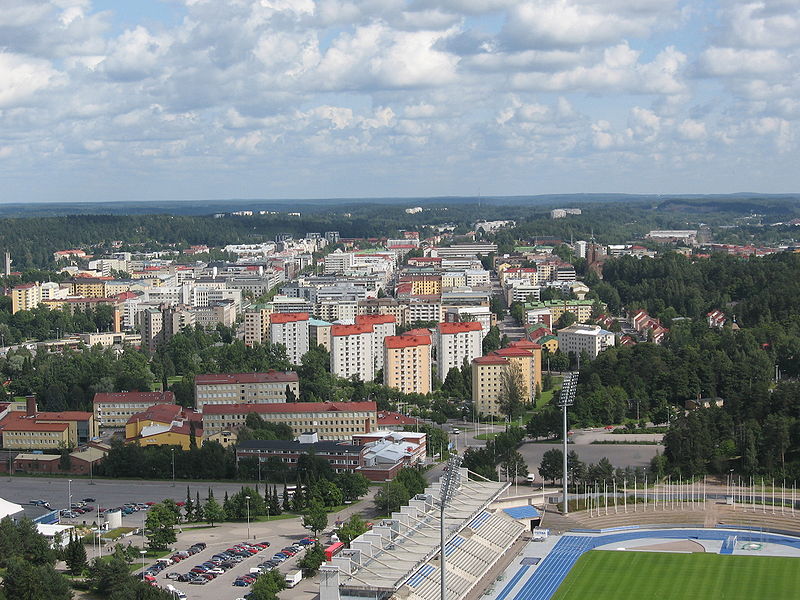
This is my home city – Lahti. It is located in southern Finland in the province of Päijät-Häme. Lahti is the biggest city in the province.

Looking down to centre of Lahti from the top of the ski jump concrete hill. Author=Pasixxxx |Date=2009-07-26 |This file is licensed under the Creative Commons Attribution-Share Alike 3.0 Unported license.

12 front-runner cities and regions

10 cities and 2 regions are currently engaged in the CITIES2030. The project incorporates diverse cities and regions as stated in the below table. These 10 cities and 2 regions are called front-runners.

10 cities and 2 regions GeographyDemography*)
Bremerhaven (DE), flat, temperate oceanic 1.200
Bruges (BE), flat, temperate oceanic 850
Haarlem (NL), flat, temperate oceanic 5.461
Iaşi (RO), uplands, humid continental 3.092
Quart de Poblet (ES), flat, Mediterranean,dry/hot summer 1.300
Murska Sobota (SI), flat, temperate oceanic 806
Seinäjoki (FI), flat, subarctic 44,26
Troodos (CY), mountainous, Mediterranean, hot semi-aridN/ap
Velika Gorica (HR), flat, temperate oceanic 190
Vejle (DK), flat, temperate oceanic 400
Vicenza (IT), flat, humid subtropical 1.400
Vidzeme region (LV), highlands, humid continental N/ap
* Density Number of inhabitants per km2. Source: CITIES2030

38 follower cities and regions

Cities2030’s aim is to engage a total of 50 cities by the end of the project covering a spanning diversity of scales, climates, and terrains, from continental to coastal settings. At the end of the day, Cities2030 will engage 12 front-runners and 38 followers.

Lahti locates in the province of Päijät-Häme being the biggest city in the province. The three strategic RDI target fields in the Päijät-Häme province are sports, food & drinks, and the manufacturing industry. The RDI strategy is updated in November 2021 (link)

The province’s and accordingly Lahti’s strategic orientation to focus RDI efforts too on food & drinks sounds like a good idea from Cities2030 perspective. S&L will be following the next acts in Päijät-Häme province and in Lahti waiting for an opportunity to initiate cooperation between the city of Lahti and Cities2030.

Categories
CITIES2030 Yleinen

Extended Innovation Pattern (EIP)

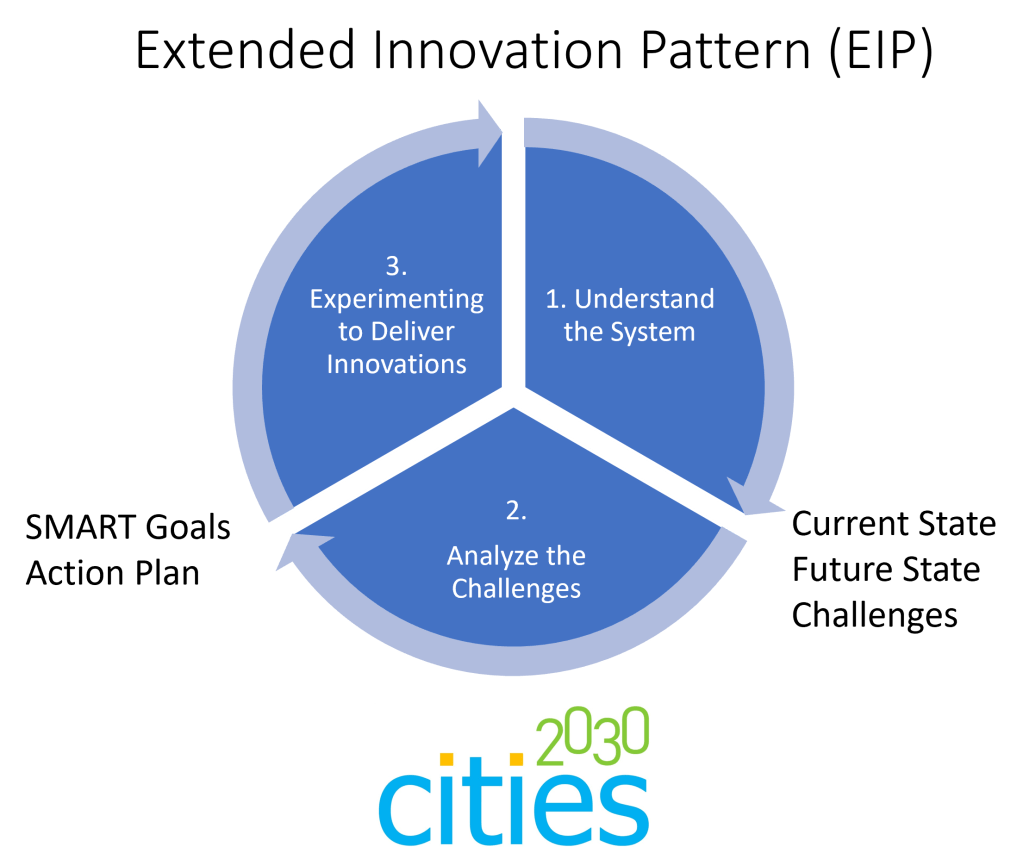
We, in the CITIES2030 project, have a hypothesis: 12+ pilots carry out an Extended Innovation Pattern (EIP) to deliver innovations to capitalize, best practices to share, and improvements to enhance processes. The innovation environment is built upon a multi-actor approach and open innovation. CITIES2030 project contributes to the transformation of Urban Food Systems. 

The platform to generate innovations, novel practices, and process innovations is Living Lab. Each of the 12 cities i.e. 12 pilots establishes a Living Lab that engages and activates regional and local multiple stakeholders to assess, study, develop and innovate new attributes on CITY REGION FOOD SYSTEM (CRFS). The aim is to foster the Urban Food System transition towards 2030.

Eventually, by the end of the project, CITIES2030 has engaged 50 cities all over Europe. These multiplier’ cities follow and learn from the pilot cities’ achievements, and initiate their own transition pathways towards 2030.

The description of the implementation of Extended Innovation Pattern is in the technical report D5.2 CRFS Living Lab facilitators, and guidelines for development and innovations.

Transition needs system innovations among other things, hence we delivered a technical report at WP3 – D3.3 Systems Thinking Methodology.