Category: Horizon2020-CITIES2030
Many EU funded projects have grasped the idea to involve different stakeholder groups into the project execution. The multi-actor approach and quadruple helix model have became a real tool and concept for project managers.
The idea is to promote diverse stakeholder groups participation into project planning and implementation. Stakeholders provide insights and feedback to project execution. They guide it as an local Advisory Board. When it comes the time to exploit the project results, the active and powerful stakeholder members become agents and ambassadors to amplify project activities on replication and exploitation of results.
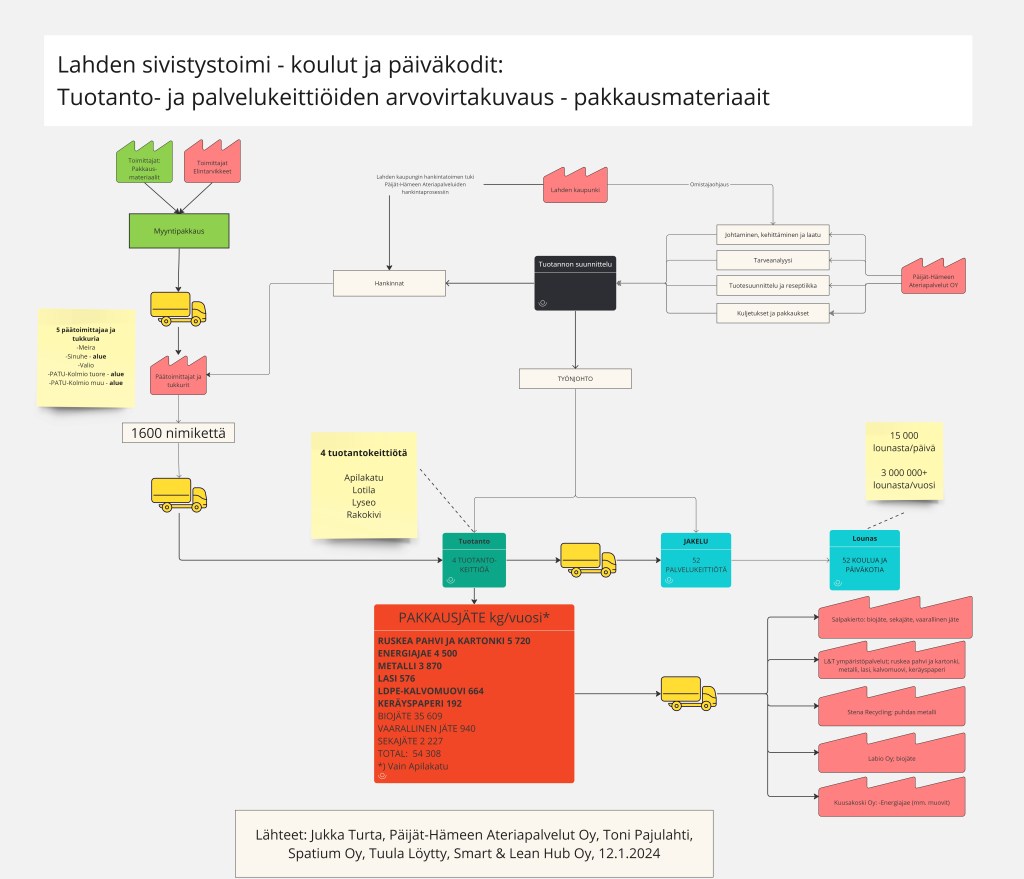
In the INTERREG Baltic Sea Region project Change(K)Now! we aim to impact on food packaging practices in the institutional catering value chain.
The value chain mapping (see the pic below) assists to identify the relevant stakeholder members who have interest of and power to influence on the institutional catering value chain. In the project we explore the material- and associated information processes, as well as we aim to grasp the overall management principles and policies associated to the institutional catering value chain.
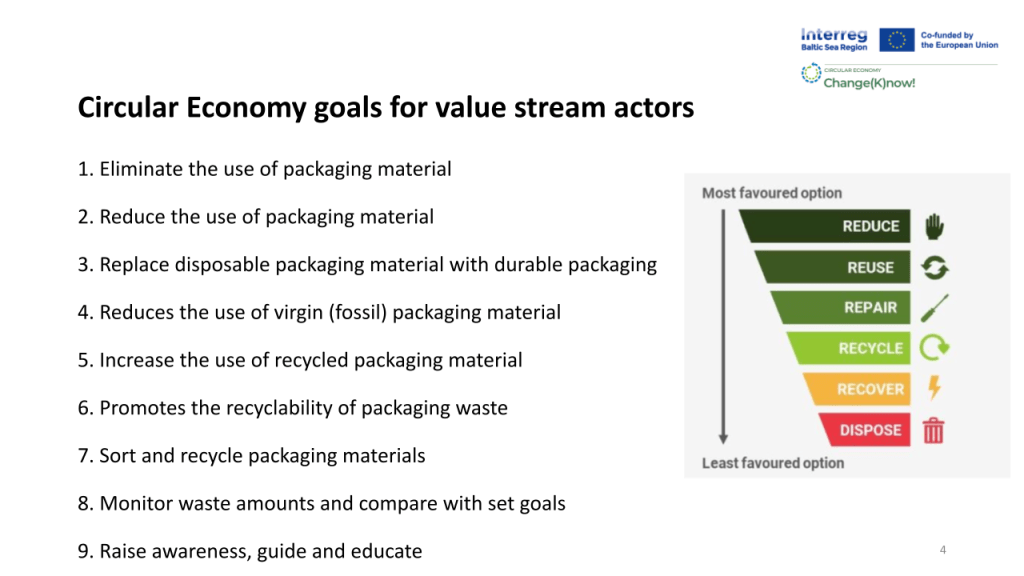
The project team together with stakeholders has defined the following Circular Economy goals for the value chain of the institutional catering in Lahti primary schools and kindergarten.
Ronald Ssembajwe |GIS/RS Specialist | Makerere University | +256-706-469640 |ronaldnazirite@gmail.com
The study which is conducted by a young scientists Mr Ronald Ssembajwe proofs the concept: it’s possible to locate dumpsites, particularly large and illegal ones, in Sierra Leone in Freetown district using open source satellite data. In addition it’s proven that it’s possible to monitor methane emissions directly from dumping sites.
This study has received the funding from the Ministry of Foreign Affairs of Finland and Finnpartnership programme under grant agreement No. UHA2023-000504 – Freetown Waste Management Transition 2035 Towards Circular Economy. The grant has been addressed to Smart & Lean Hub Oy, Finland, which has ordered this study.
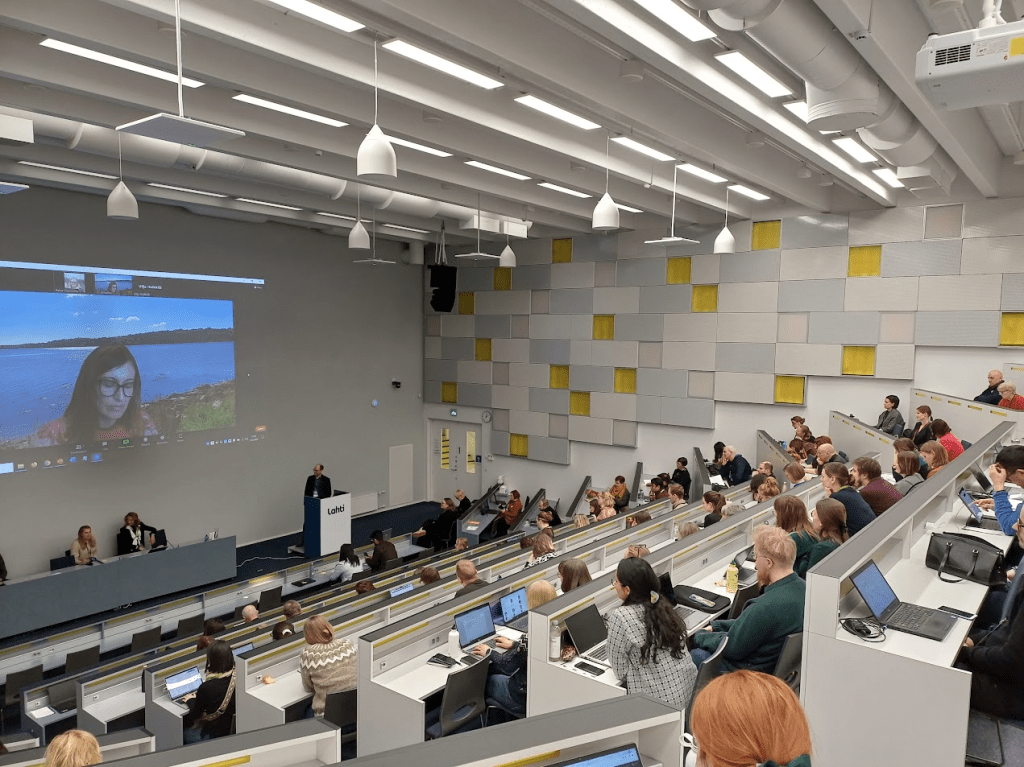
Helsinki University arranged a scientific conference PEOPLE AND PLANET: FROM THEORY TO SOLUTIONS 2024 in February 2024 in Lahti, Finland.
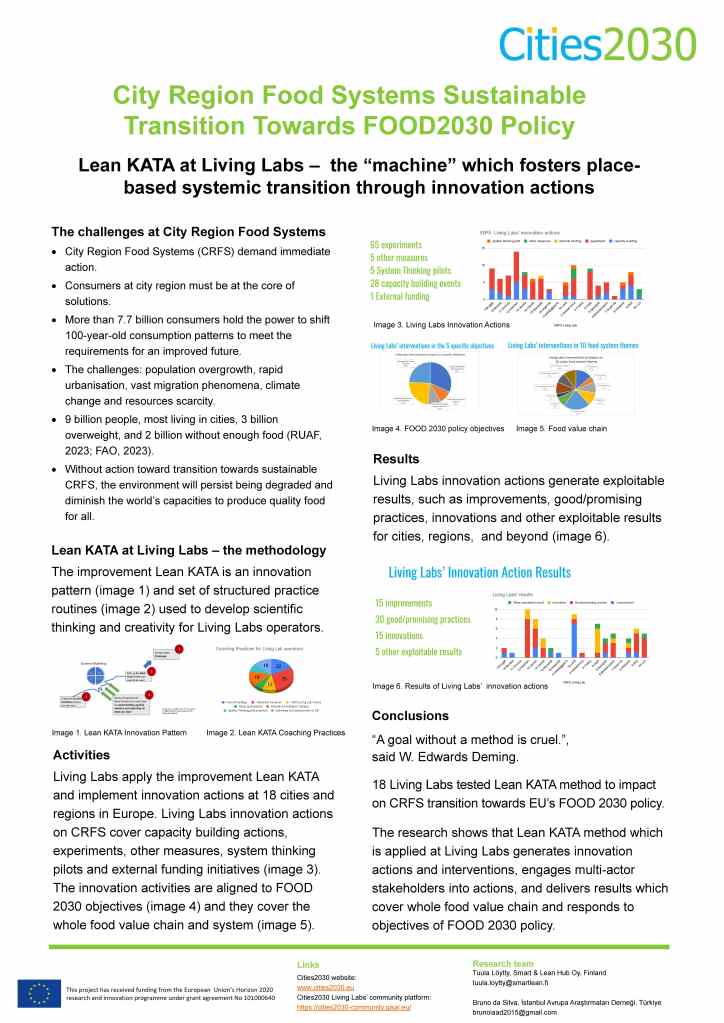
A team Bruno da Silva from IAAD and Tuula Löytty from Smart & Lean Hub Oy participated into the conference via a poster.
The poster canvasses how Lean KATA methodology is used in the Cities2030 Living Labs to mobilise participants and to achieve results.
The novelty here is to exploit Lean KATA methodology in finding answers to society level challenges. Typically Lean KATA (or other words Toyota KATA) used for the business process development purposes, specially for manufacturing.
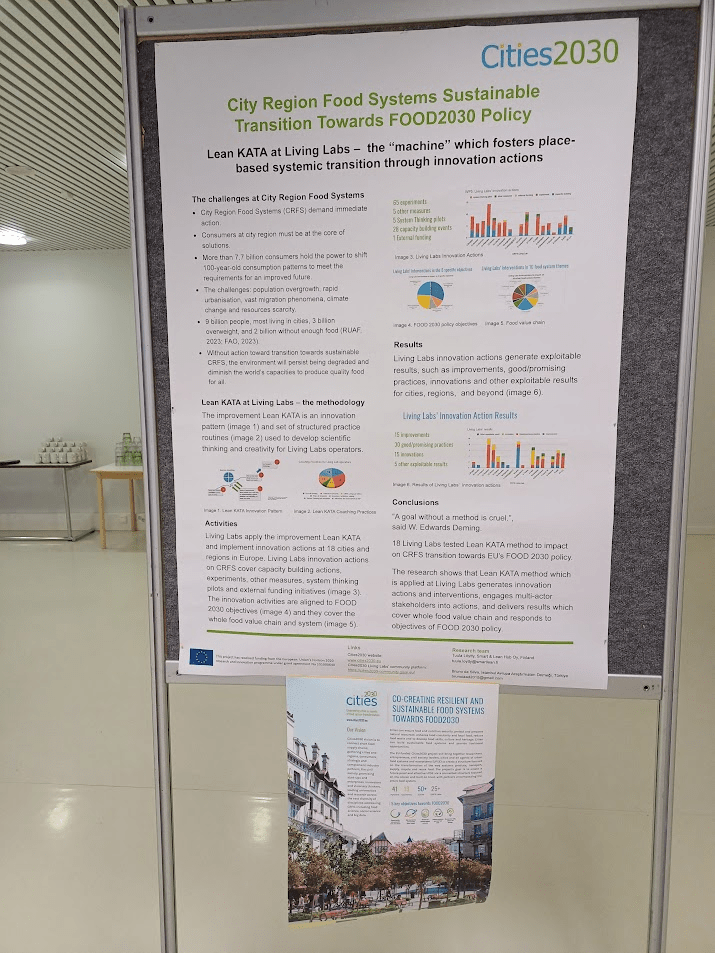
Two pictures from the conference venue on 14.2.2024.


In Finland, the City Region Food System (CRFS) aligns with the global principles of promoting sustainable and localized food production, distribution, and consumption. Finnish CRFS initiatives emphasize several key aspects:
Local and Regional Collaboration: There’s a strong emphasis on collaboration between urban centers and surrounding rural regions to create a more integrated food system. This collaboration aims to support local farmers, encourage regional food production, and ensure a steady supply of fresh and nutritious food to urban populations.
Urban Agriculture: Finland promotes urban agriculture initiatives, such as community gardens, rooftop farming, and allotment gardens, within city limits. These initiatives not only provide city dwellers with access to fresh produce but also contribute to a sense of community and environmental sustainability.
Sustainability and Innovation: The Finnish CRFS emphasizes sustainability, encouraging environmentally friendly farming practices, reducing food waste, and integrating innovative technologies into food production and distribution systems. This includes advancements in controlled-environment agriculture, hydroponics, and smart farming techniques.
Government Support: Finland has policies and support mechanisms in place to encourage local and sustainable food production. This includes funding for research and development in agriculture, subsidies for environmentally friendly farming practices, and initiatives that promote local food markets and networks.
Consumer Awareness and Education: There’s a focus on educating consumers about the benefits of local and sustainable food choices. Initiatives often include educational programs in schools, public awareness campaigns, and efforts to highlight the importance of supporting local farmers and producers.
Food Security and Resilience: Finnish CRFS initiatives aim to enhance food security by ensuring a diverse and resilient food supply. This involves supporting small-scale producers, diversifying agriculture, and developing strategies to mitigate the impact of external factors such as climate change and market fluctuations.
Overall, the Finnish City Region Food System reflects a commitment to sustainable practices, collaboration between urban and rural areas, innovation in food production, and ensuring access to healthy food for all residents while minimizing the environmental impact of the food supply.
The text above is produced by ChatGPT 3.5.
See here Lahti Living Lab activities at Cities2030 project to contribute to the city of Lahti food system: https://cities2030-community.gisai.eu/labs/page/50-welcome-page/

Disclaimer
The content of this deliverable does not reflect the official opinion of the European Union. Responsibility for the information and views expressed herein lies entirely with the author(s).
All ‘cities2030’ consortium members are also committed to publish accurate and up to date information and take the greatest care to do so. However, the ‘cities2030’ consortium members cannot accept liability for any inaccuracies or omissions, nor do they accept liability for any direct, indirect, special, consequential, or other losses or damages of any kind arising out of the use of this information.
Tuula Löytty1, Sami Rantamäki2, Hannamaija Fontell2, Kalle Karlsson1
1Smart & Lean Hub Oy, Finland2
Biolan Oy, Finland
Abstract
Background: Finnish policymakers issued a new community waste law in 2022. The municipalities launch the law implementation and are responsible for the supervision. The law aims to increase households’ food waste recycling.
Problem: The waste law implementation and supervision increase authorities’ workload and public costs. Public servants manage the households’ compost register and carry out compost audits on-site.
The challenge: The challenge is to put in place the new waste management law with the lowest public costs.
Purpose: The research addresses the validation of the pioneering IT solution. The IT solution promotes households’ bio composting and aims to ease waste management authorities’ workload by fostering eGovernment.
Methods: The intervention is to deliver the IoT-sensor-equipped bio composter and associated applications. The research applies a mission-oriented approach. It establishes a place-based, multi-actor, participatory, and open innovation testbed at Living Lab. It leverages the Lean Startup process and SWOT analysis. The research method complies with Responsible Research and Innovation principles.
Conclusions: The IoT-sensor-equipped bio-composter is a feasible solution. Municipality waste management authorities consider the IoT-sensor-equipped solution not beneficial from their perspective. The eGovernment strategy is not a driver in this case. Remote bio composter mapping and monitoring could be a future tool for real estate maintenance companies.
Key words
legislation, municipality, food waste, recycling, bio composter, Living Lab, Internet of Things, eGovernment, city region food systems
The international journal AGRIS on-line Papers in Economics and Informatics is a scholarly open access, blind peer-reviewed by two reviewers, interdisciplinary, and fully refereed scientific journal.
AGRIS on-line Papers in Economics and Informatics accepted to publish our paper. The journal is no. 3/2023, September.

This is Bertta. She is a bio-composter.
Officially Bertta is a Biolan Quick composter 220ECO which is designed and produced by Biolan Oy in Finland.
Bertta’s mission is to convert food waste to compost soil.
Soon Bertta’s life is about to change dramatically. First, she is invited to be a testbed composter at Lahti Living Lab. Secondly, she will be equipped with IoT sensors.
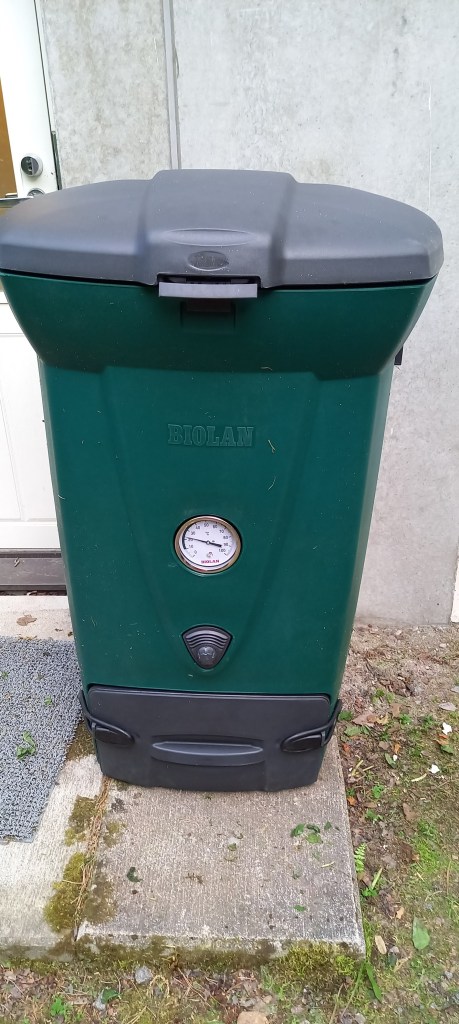
Bertta’s life is changed. She was before analog, but now she is digital.
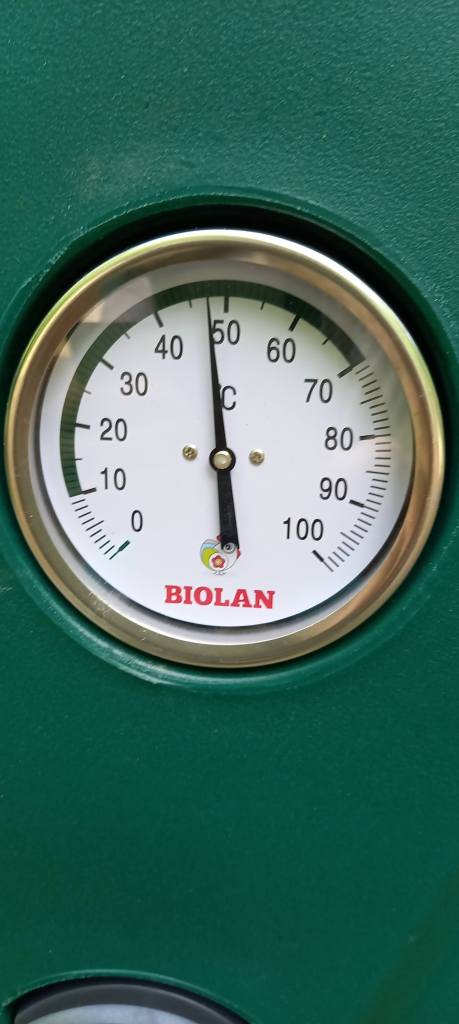

There are three household bio composters that are equipped with sensors in the world. The product name is Biolan SMARTY.
All three are located in Finland: Eura, Rauma, and Lahti.
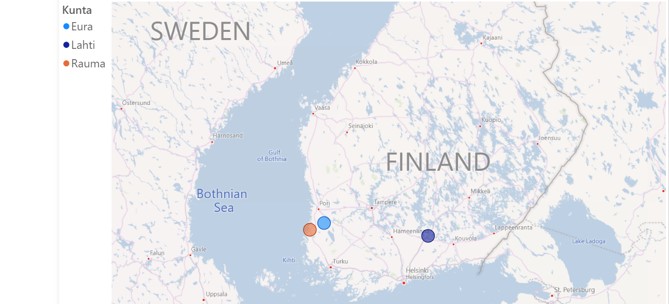
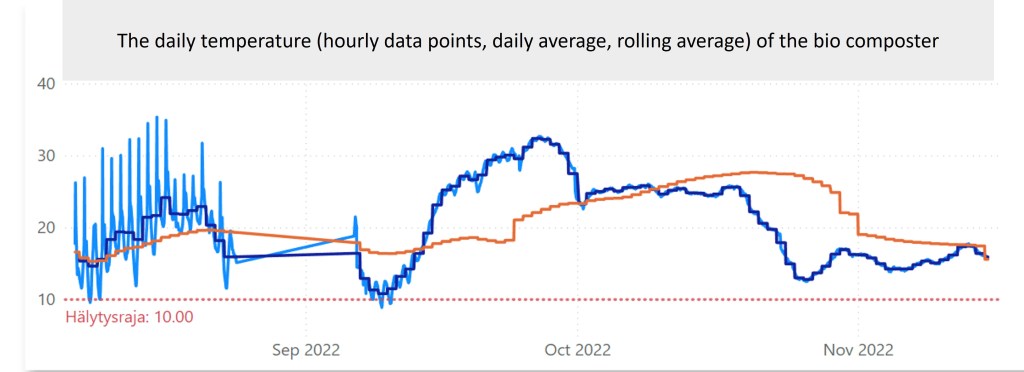
Mobile application – Bioapp – enables online monitoring of the bio-composter status.

Temperature data gives an insight into the process trend, status, deviations, and overall performance. The bio-composter is still alive and working, but the temperature is getting little by little too low. Winter is coming to Finland.
Lahti Living Lab tests a pioneering IoT-equipped bio composter. Wifi-connection and temperature sensors enable localization of the bio-composter and remote monitoring of the performance.
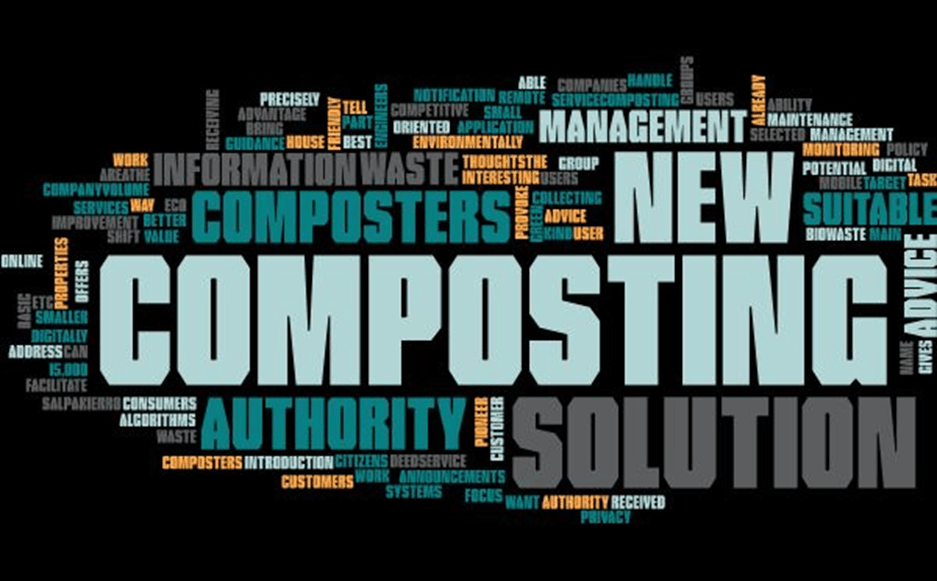
The Lahti Living Lab has invited multi-actors to assess the upgraded bio-composter, consult and give feedback and recommendations. The consultative discussions comply with the SWOT analysis.
The below image illustrates the dialogue on how the solution of localization and remote monitoring mirrors municipality waste management authorities and operators‘ needs and visions.
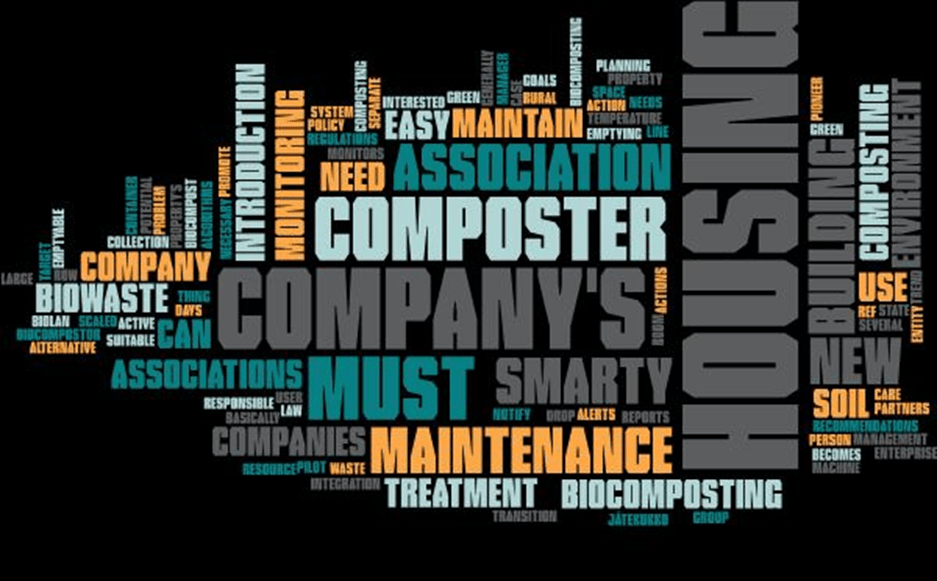
The below image illustrates the dialogue on how the solution of localization and remote monitoring mirrors real estate maintenance actors’ needs and visions.
The experiment IoT-equipped food waste composter is conducted in co-operation with Biolan Oy and Smart & Lean Hub oy. Biolan Oy owns the IPR to the SMARTY solution.

The content of this blog does not reflect the official opinion of the European Union. Responsibility for the information and views expressed therein lies entirely with the author(s).
Tämän blogin on kirjoittanut Tiina Manninen. Hän osallistuu Lahti Living Lab:n toteuttamaan bokashi kokeiluun kesän ja syksyn 2022 aikana.
Kokeilu kuuluu laajaan Cities2030 hankkeeseen, jota rahoittaa Horizon2020 EU-ohjelma (www.cities2030.eu).
Aloitin hajuttoman kompostoinnin innoissani kesälomani jälkeen heinäkuun puolivälissä. Olin katsellut jo kevään puutarhamessuilla, josko hommaisi pöntöt ja rouheet messuhintaan mutta käteen tarttui lähinnä kukkasipuleita. Kaihoissani kuitenkin katselin naapurin rehevää puutarhaa. Hän aloitti bokashin jo edellisenä vuonna ja on asiasta kovin innoisaan ja siitä se into pikkuhiljaa tarttui. Suurin hyöty ja enisijainen motiivi tietysti on ja oli jätteen määrän vähentäminen ja sitä kautta rahan säästö.
Olikin ihana ylläri päästä koeryhmään, asiaa ei tarvinnut kahta kertaa miettiä. Uskomatonta nähdä kuinka paljon vähemmän sekajätettä nyt tulee kun kaikki biohajoava menee bokashiin. Itelläni ei tosiaan ollut vielä hommattuna perinteistä kompostia, se kun tuppaa haisemaan niin olen jotenkin vältellyt sen laittamista, häpeäkseni tunnustan asian.
Bokashoinnin aloittamisen jälkeen välittömästi näytti tapahtuvan aivoissani jotain. Sellaista, että ensinnäkin kiinnittää huomioita jätteen määrään, toisekseen miettii ruuanlaittotapaa, jotta siitä tulisi mahdollisimman vähän jätettä -koska niitä jämiä nyt ei vain enää heitetä sekajätteeseen kuten ennen, tämän teroitin teinillekin. Luulin olevani jo aika tarkka keittiössä. Meillä ei mene ruokaa roskiin muutenkaan juuri ollenkaan, kaikki syödään tai jatkojalostetaan. Esim. kun teen mehua niin siitä jäävä kuitu mehustimen reunoilla menee gluteenittomaan leipään massaksi. Jääkaappiin jäävät juustonkannikat menevät koiran maku/koulutuspaloiksi jne. Perunaa emme syö joten sen kuoria ei tule. Koirataloudessa on yllättävän helppoa kun kurkun ja paprikan ym jämät menevät parempiin suihin. Käyttämäni kasvikset ovat lähes aina luomua niin kuoretkin voi antaa koiralle. No, kyllä sinne bokashiin sitten kuitenkin alkoi jätettä tulla, hitaammin kuitenkin kuin luulin. Kesäaikana ei paljoakaan juureksia tullut käytettyä joten sitruunan ja mintun jämät makuvesistä ja salatinkannat alkoivat pikkuhiljaa täyttää sankoa. (video liitteenä) Uskomattoman paljon tuonne pikkuruiseen sankoon menee tavaraa, väliin hiiltä ja rouhetta, vau! Nestettä tuli tasaiseen tahtiin ja kukat saivat ravinetta. Kivaa puuhastelua vaikka muu perhe ei niin innoissaan asiasta olekaan, olisi vain pitänyt aloittaa heti sankot saatuani jottei kesä olisi loppunut kesken ja ulkona olisi lämpöä multatehtaalle. Ja huopatossut pitää kyllä laittaa sankon pohjalle, se muuten raapii mukavasti puulattian kun on niin painava 😀
Innolla odotan ensi kesää ja uutta multaa syntyväksi. Mahdottoman iso kiitos tälle kokeilulle ja Cities 030 hankeelle.
Lahti Living Lab bokashi kokeilun satoa. Videon kuvannut Tiina Manninen.
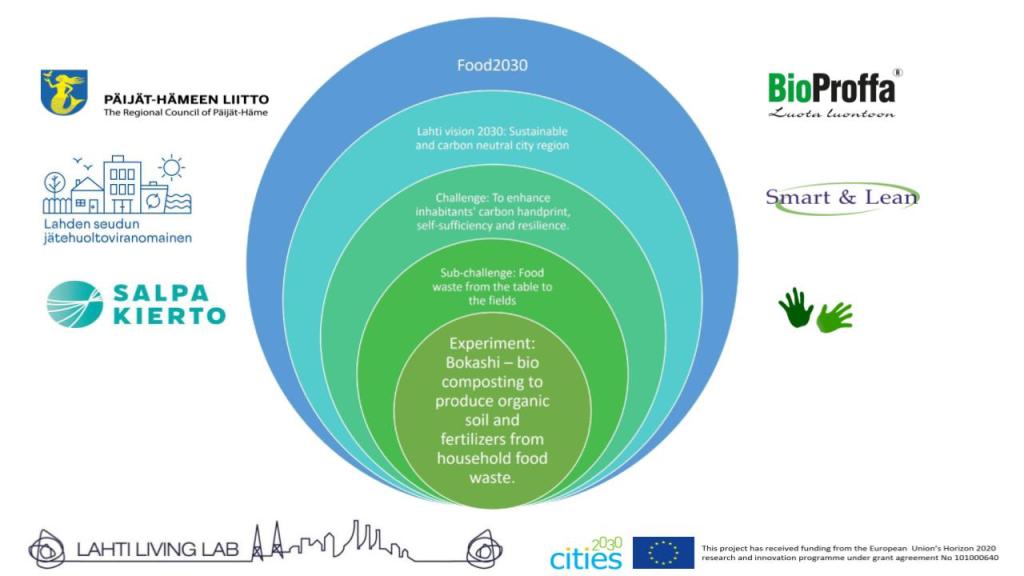
Tämän blogin on kirjoittanut Satu Salkunen. Hän osallistuu Lahti Living Lab:n toteuttamaan bokashi kokeiluun kesän ja syksyn 2022 aikana.
Kokeilu kuuluu laajaan Cities2030 hankkeeseen, jota rahoittaa Horizon2020 EU-ohjelma (www.cities2030.eu).
Olin ollut kiinnostunut bokashoinnista jo pidemmän aikaa, mutta olin ollut hieman skeptinen siinä suhteessa, että jaksaisinko perehtyä kaikkiin aineisiin ja tulisiko sitä sitten tehtyä kuitenkaan kunnolla.
Lisäksi alkuinvestoinnin suuruus hirvitti, jos bokashointi ei sitten ottaisikaan niin sanotusti tuulta purjeisiinsa. Olin siis onnellinen, kun tarjoutui tämä mahdollisuus kokeilla testiryhmän mukana, miten bokashointi taloudessamme sujuisi.
Aloitin innokkaasti, hain heti ensimmäisenä ämpärit, luin ja tutkin asiaa. Ymmärsin, ettei kyse olekaan välttämättä niin monimutkaisesta prosessista, kuin olin pelännyt. Aloin pilkkoa biojätteet pienemmiksi kuin aikaisemmin, ja keräsin ne yhteen astiaan päivän aikana, ja tyhjensin sen sitten illalla bokashointiämpäriin ja ripottelin tarvittavat rouheet päälle. Alku sujui mainiosti ja jaksoin pilkko biojätteitä. Ensimmäinen kompastuskivemme tuli siinä, että perheessä on 2 esiteiniä, joille en tullut heti alusta asti opettaneeksi bokashointia. Virhe. Biojäteämpäri täyttyi kesän aikana isoilla jätteillä, ja eihän niitä sitten huvittanut pilkkoa itsekään pienemmiksi, ja alkoi tapahtua “ohivuotoa” tavalliseen lämpökompostoriin.
Mietin jo, että pitääkö tämä testaus luovuttaa, mutta sitten hoksasin, että bokashointiämpärithän tulee muhituttaa jonkin aikaa ennen multatehtaaseen laittamista joka tapauksessa, joten vahinkoa ei sinällään ole tullut. Jätin siis ekan ämpärin muhimaan, vaikka se olikin vielä vajaa, kun sitä ei ollut availtu vähään aikaan. Meni pidemmän aikaa, että aika ja kärsivällisyys ei riittänyt ottaa oppituokiota lasten kanssa, joten meillä mentiin hieman hybridimallilla, osa päätyi bokashointiin ja osa lämpökompostoriin. Tuo biojäteastian tyhjentäminen lämpökompostoriinkaan kun ei ole kuitenkaan kenenkään lempihommaa perheessä, otimme nyt opetustuokion, ja opetin loputkin perheestä bokashoinnin saloihin. Talvella kun biojätteiden kärrääminen kompostoriin kiinnostaa ketään vielä vähemmän, vaikka normaali kompostointi onkin ollut perheen rutiini jo ennen lasten syntymää.
Nyt sujuu paljon kivemmin biojätteiden kanssa, kun lapsetkin tietää homman, ja iltaisin tyhjennän vain bokashisankoon biojätteet ja lisään rouheet. Ensimmäinen multatehdas on muhimassa, näyttää toistaiseksi siltä, että hyvää multaa on tulossa! On ihanaa, kun biojätteet ei haise keittiössä, eikä niitä kerry odottamaan kompostiin vientiä useita kippoja tai kuppeja, vaan iltaisin voi vaan tyhjentää bokashiin kaikki, ja taas on tyhjä astia seuraavaa päivää varten!
Kenelle bokashointi sopii? Kenelle tahansa, joka viitsii hieman perehtyä bokashin menetelmiin, ja erityisesti niille, jotka ovat hajuherkkiä eivätkä siedä turhia tuoksuja (tai banaanikärpäsiä :D) ympärillään.
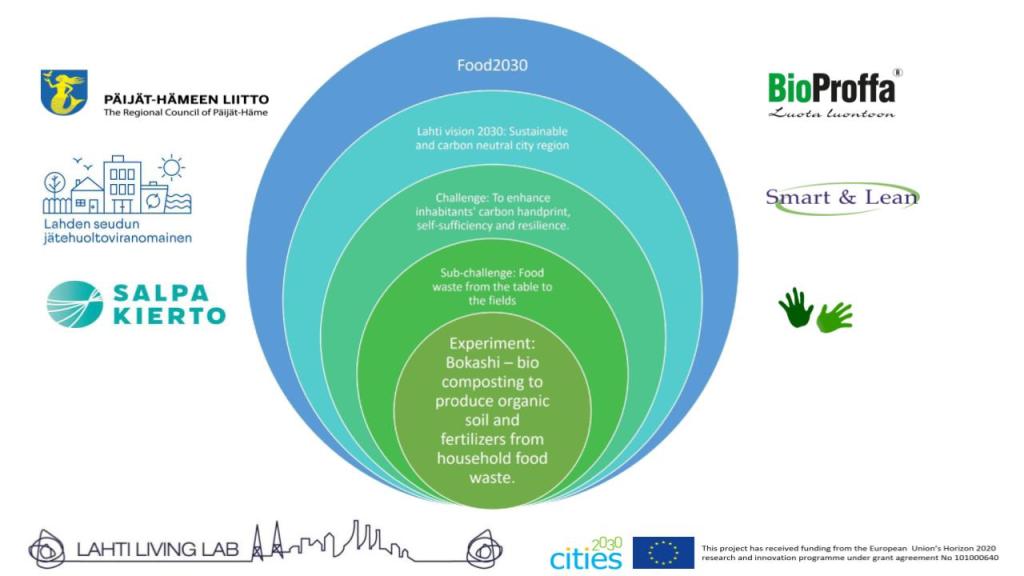
 Smart & Lean