As part of Polirural, Häme-region was chosen to be one of the pilot areas. Polirural is European Union project, which aims to increase well being and sustainability of the country side. One of the main goals of Polirural project is to tackle problems what rural regions are facing throughout Europe. As part of Polirural project, Smart & Lean Hub Oy aims to increase awareness of these problems and other demographic data trends by utilizing open data of Häme-region, to create interactive visualizations.
Second visualization in our series is tree map regarding indurusty revenue and employment-
Purpose of this visualization is to highlight difference between two Häme-region counties, Päijät – and Kanta-Häme. Treemap visualizes certain key values regarding industry operating in these counties. Utilizing selector in top right, you can choose between key value. By clicking selector under it at “Valitse vuosi” you can select year.
Visualization shows that agricultural and traditional industries are still major employees and generators of revenue. Visualization also shows positive trend in employment and positive growth in certain industry sectors between years 2013 and 2019.
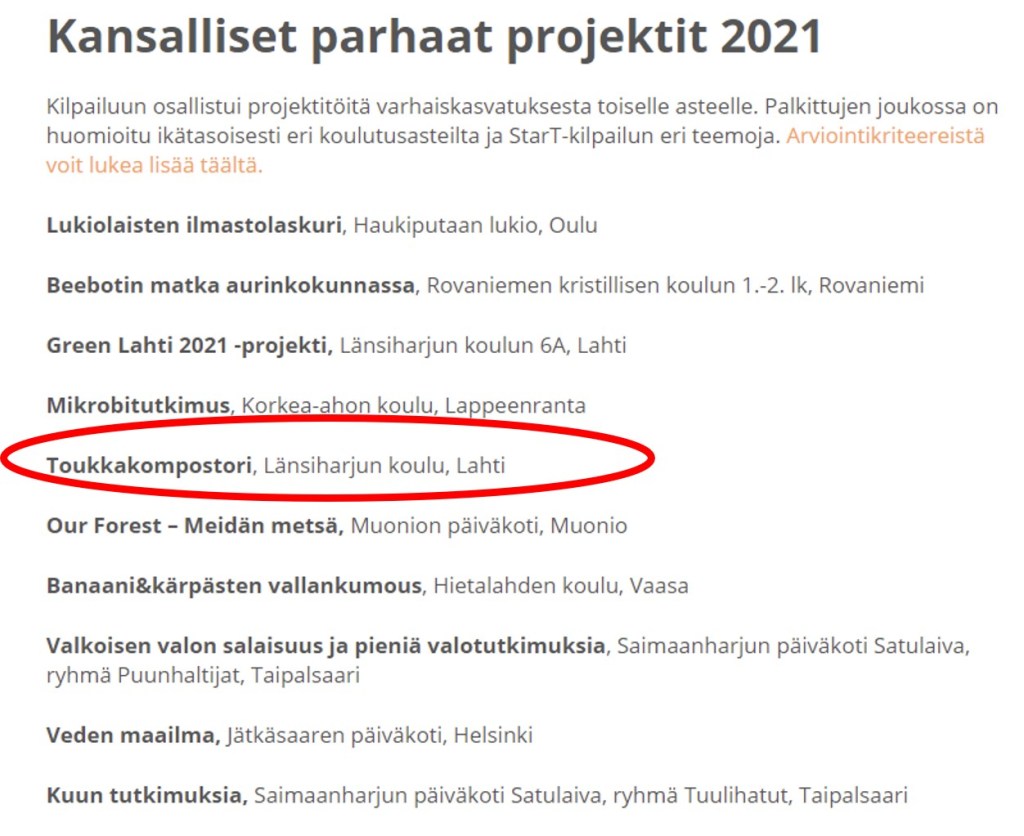
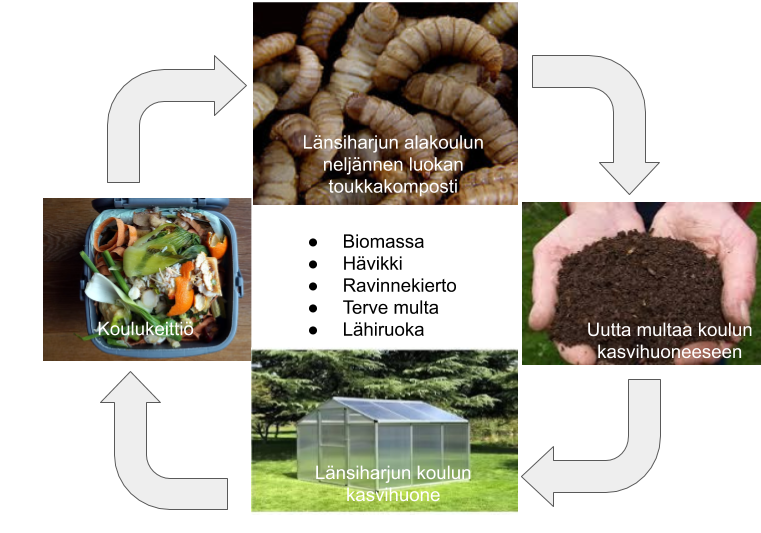
Blue Wings Composting – Toukkakompostori – has won 16.4.2021 the national Finnish STEM – StarT competition, together with 9 other projects. See the results.
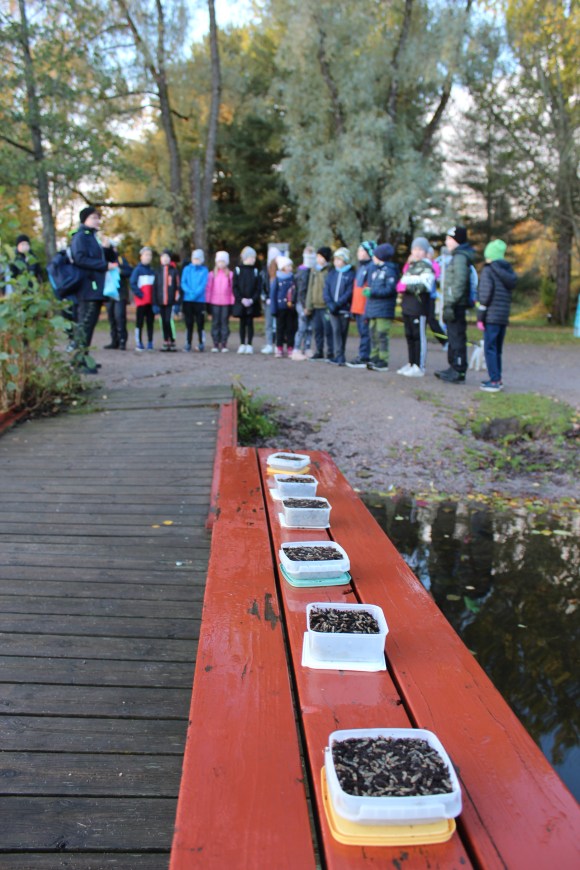
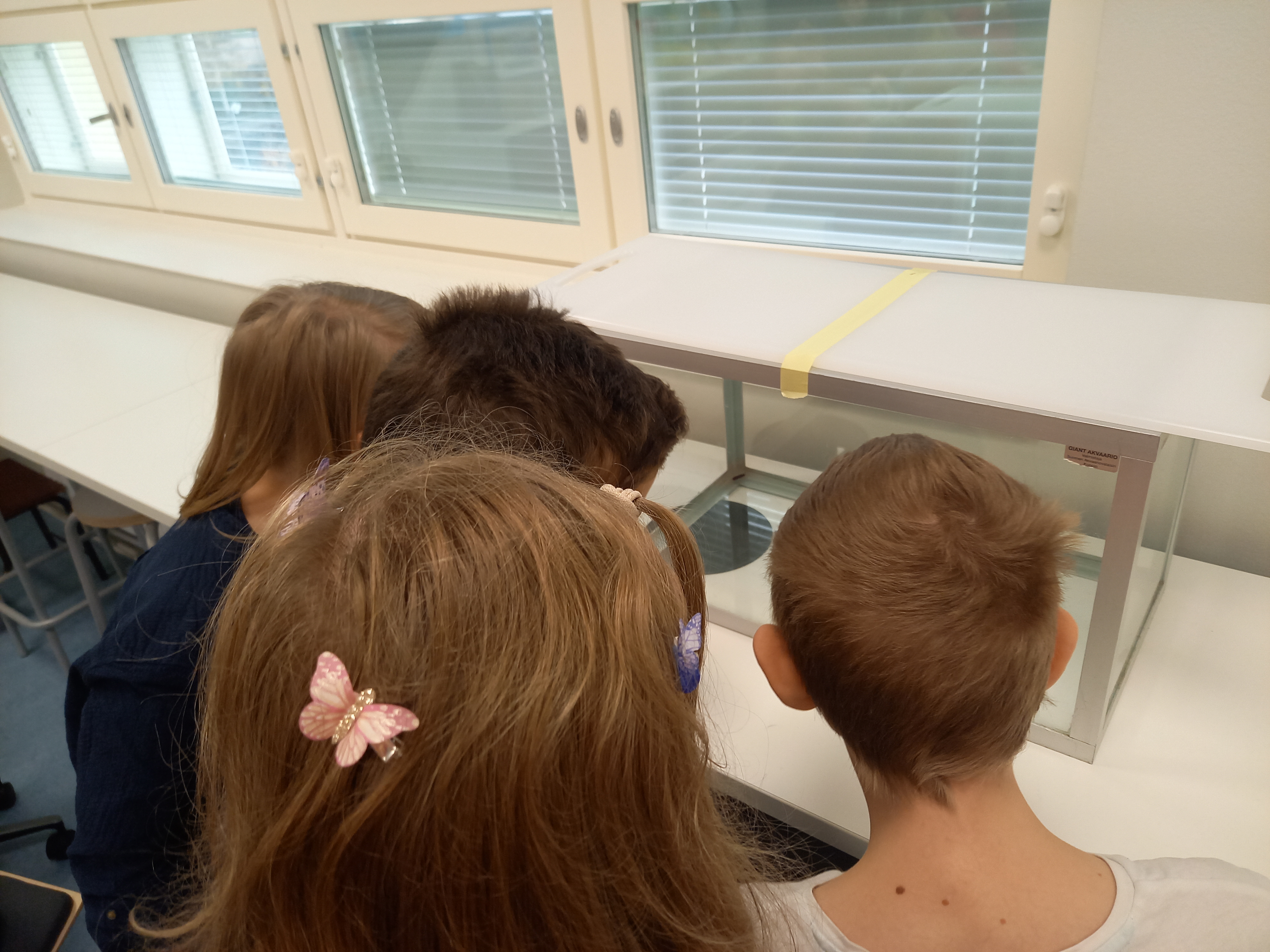
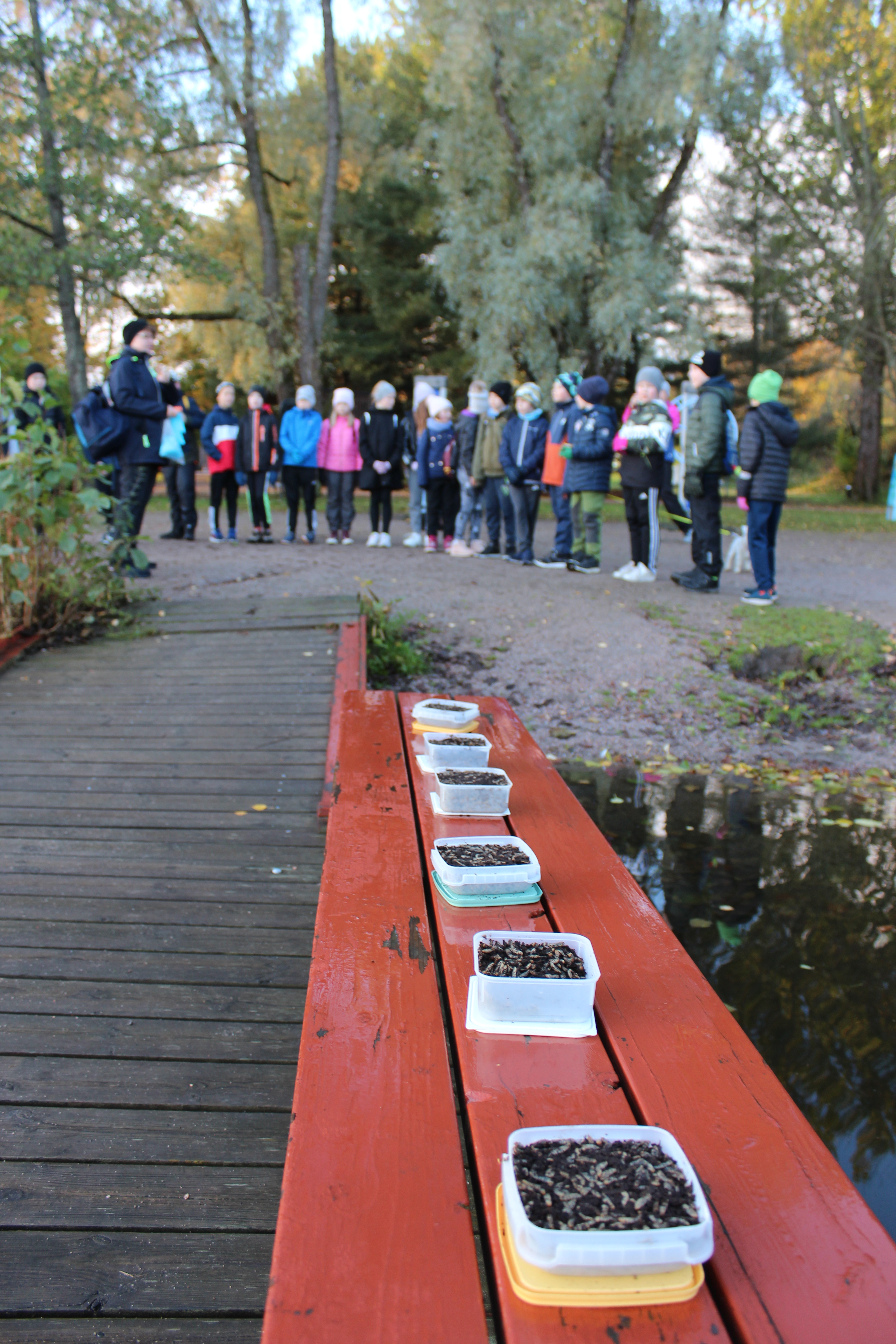
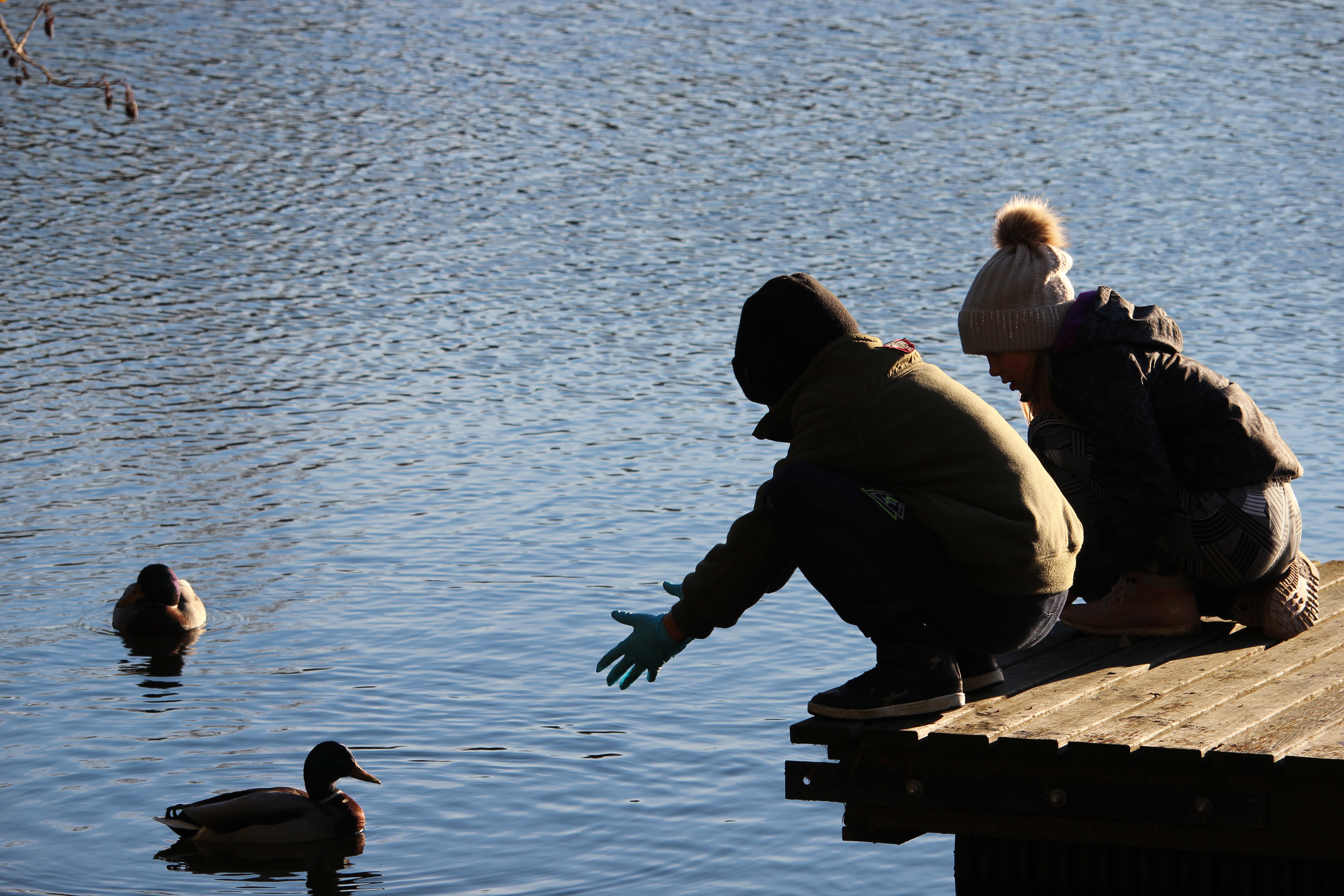
Thanks to all participants and stakeholders, particularly Länsiharju primary school’s 4th class and their teacher. In the below picture the class and teacher forward the well-fed and fat larvae back to nature at Vesijärvi-lake for fish food. Thanks greatly also to the CEO of Blue Wings Composting, Saverio Danubio from Italy.
As part of Polirural, Häme-region was chosen to be one of the pilot areas. Polirural is European Union project, which aims to increase well being and sustainability of the country side. One of the main goals of Polirural project is to tackle problems what rural regions are facing throughout Europe. As part of Polirural project, Smart & Lean Hub Oy aims to increase awareness of these problems and other demographic data trends by utilizing open data of Häme-region, to create interactive visualizations.
First visualization what we are looking at is about elderly population
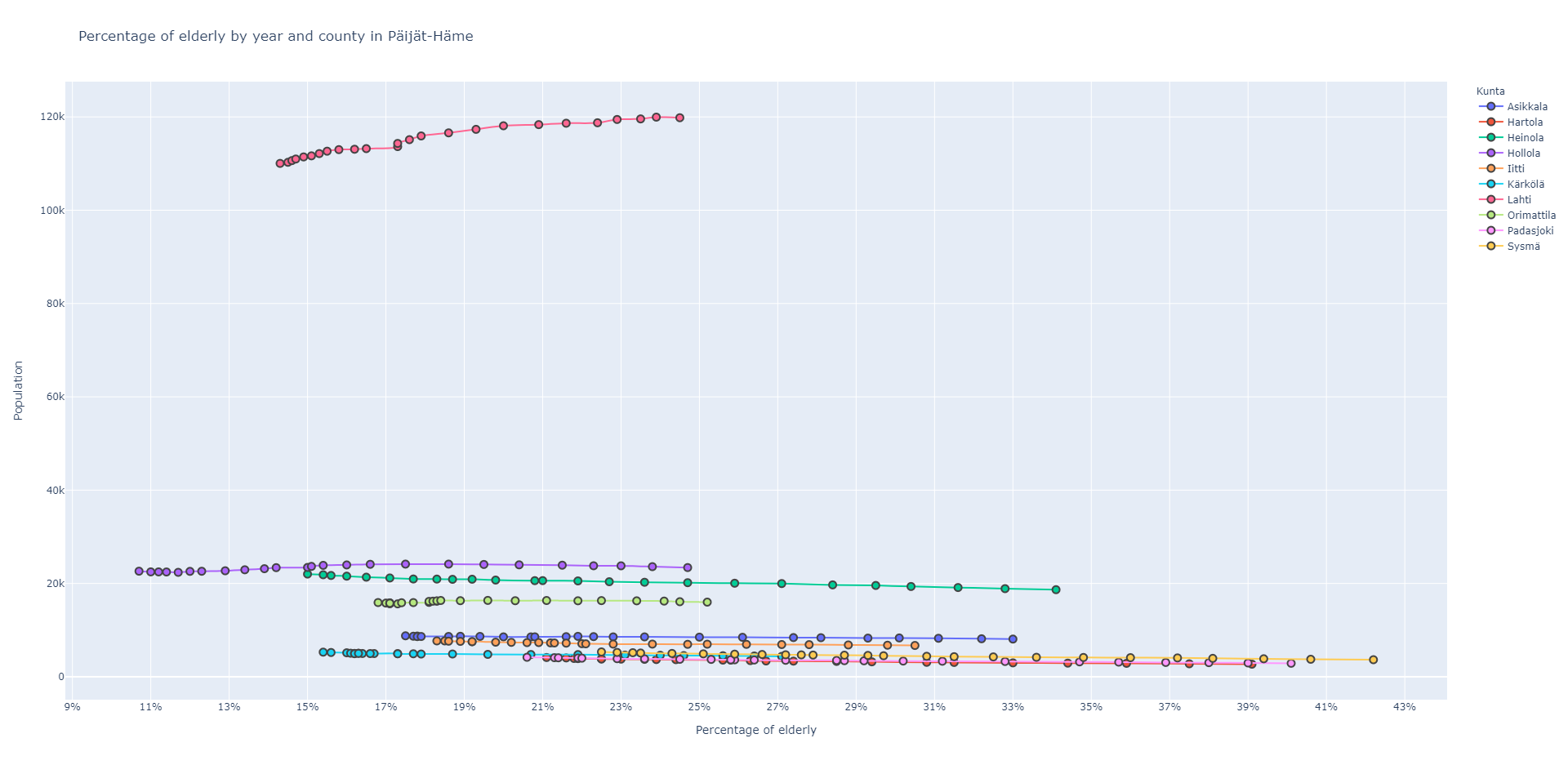
In Finland, rural municipalities face demographic problem. Aging population is serious issue in rural areas. Young people move away due lack of opportunity and low birthrate of people who stay is not enough to keep municipality from having continuously expanding elderly population. I created visualization to highlight increasing number of elderly in more rural municipalities and compare change in amount of elderly and in population between different municipalities.
Visualization highlights trend very accurately and it also showcases difference between largest city in the region (Lahti) and other municipalities.
In the image color depicts municipality and every dot is one year in this scatter plot. By clicking this link , you can see interactive version of the image. By double clicking one of the municipalities you can more accurately inspect data and by hovering your mouse over dots you can see year and accurate values.
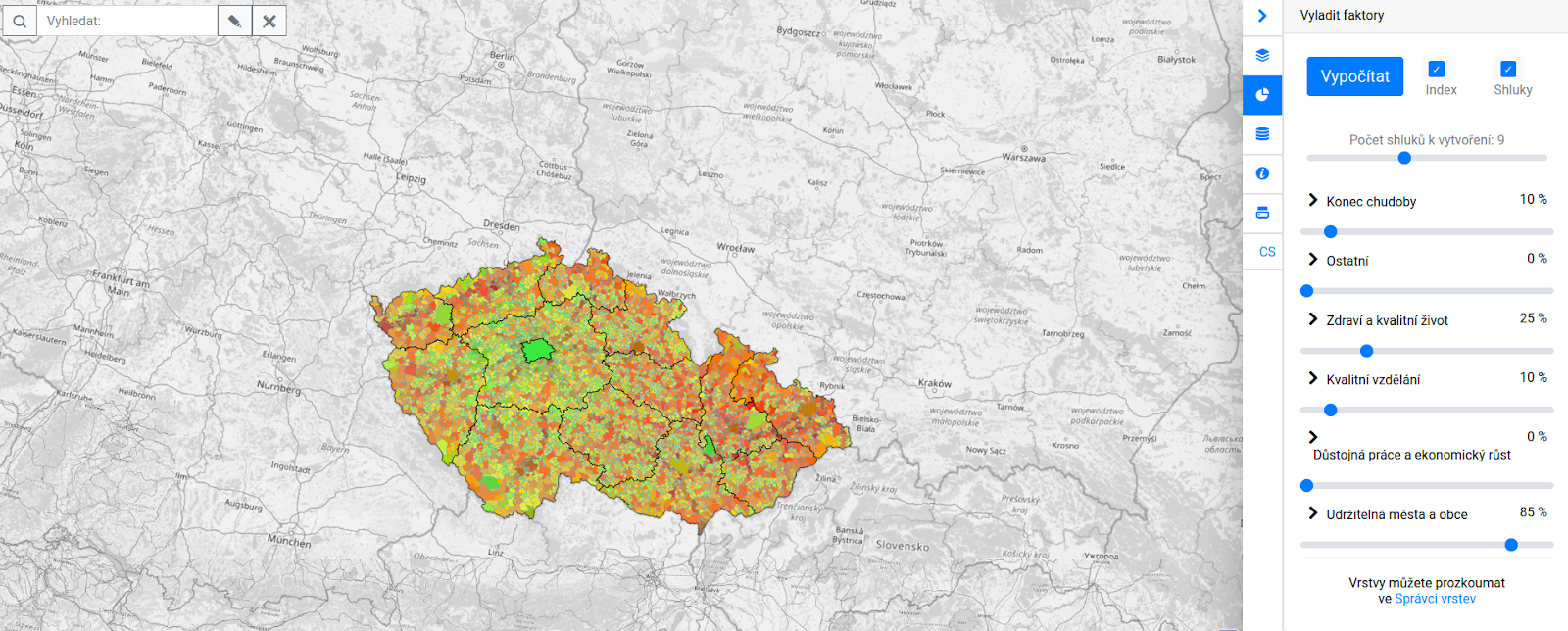
This challenge’s primary goals are to explore and develop different forms of simple, understandable, and tempting attractive communication of regional attractiveness assessment. The challenge results will help identify and visualise similarities and differences between various regions based on statistical data. The team should consider, test and experiment with multiple approaches that include but are not limited to index calculation, clustering or machine learning methods.
The work in the challenge will be divided into three tasks: data, application and testing.
The data group will focus on optimising existing input data sets, adding new data, and dealing with data semantics, including classification of input data according to various classification systems (e.g. UN SDG, GEMET, RRI pillars etc.). Also, calculation methods and assessment of the attractiveness will be moved on, including testing machine learning approaches.
The application group will develop and improve existing interactive web application(s) showing attractiveness maps (index and clusters). The goal of the application’s development is to provide more opportunities for adjusting the perspective of attractiveness assessment to concrete user requirements.
The challenge will be tested in different scales including parcel level
The testing group will guarantee communication with stakeholders, including providing feedback for developers and data experts and initial development of business models..
The results will be presented on cases focused on the Polirural project (NUTS 3 regions in Europe), Czech municipalities, African countries and other areas.
OTAKAR CERBA Assoc. prof. Otakar Čerba, PhD works at the Department of Geomatics (Faculty of Applied Sciences, University of West Bohemia, Plzeň, Czech Republic) and cooperates with Plan4all. He is focused on cartographic visualization of spatial data, Linked Data on the geographic domain and semantic issues of geographic data. He has been involved in many international projects such as Polivisu, Humboldt, SDI4Apps, SmartOpenData, Plan4all or ROSIE. Otakar Čerba is the member of the board of Czech Association of GeoInformation and the chair of the Commission on Maps and the Internet of International Cartographic Association
KAREL CHARVAT graduated in theoretical cybernetics. He is a member of International Society for Precision Agriculture, Research Data Alliance, vice chair of Club of Ossiach, CAGI, and CSITA. He was in period 2005 – 2007 President of European Federation for Information Technology in Agriculture Food and Environment (EFITA). Now is chair of OGC Agriculture DWG. He was organiser on many hackathons, where as most important were series of INSPIRE Hacks and MEDHackathon. He work on implementation on national INSPIRE Geoportal. Now he is also active in Plan4all association. He has long time experience in ICT for Environment, transport, Agriculture and Precision Farming. Now he is one from promoters of Open and Big Data in Agriculture in Europe. Participation in projects: Wirelessinfo, Premathmod, EMIRES, REGEO, RuralWins, Armonia, aBard, EPRI Start, Ami@netfood, AMI4For, Voice, Naturnet Redime, Mobildat, SpravaDat, Navlog, c@r, Humboldt, WINSOC, Plan4all, Habitats, Plan4business, SmartOpenData, FOODIE, SDI4Apps, AgriXchange, FOODIE, SDI4Apps, OTN, DataBio, EO4AGRO, EUXDAT, SmartAgriHub, SKIN and other projects.
Challenge #5: SmartAfriHub III – African Agricultural Water Security
The goal is to continue building the African Community to support SmartFarming in Africa.
The challenge combines three concepts:
Educathon – we support further development of African SmartFarming capacity development by providing rich content at SmartAfriHub
Datathon – we support building an Open Repository of Data in Africa and
Ideathlon – we collect ideas and needs to enhance Food, and particularly Agricultural Water Security by enhancing the local Food Nutrition Surveillance System (FNSS).
We embrace transversally, over all three concepts, the COVID-19 era experiences, observations, best practices and innovations. The ultimate goal is to build local food and specially Agricultural Water Security that is resilient in any circumstances.
In addition, the goal is also to support publishing of new scientific papers and building of potential consortia for research projects.
During the previous two years Plan4All has organized 3 INSPIRE Hackathons (Nairobi, Kampala and COVID-19) that have reached out to hundreds of African smart agriculture experts, practitioners and stakeholders. As a result of these hackathons we have a African community of practice which is active in Digital Innovation Hub – SmartAfriHub, Whatsapp and Facebook. Our goal is to continue and extend these activities by leveraging OpenSpring INSPIRE Hackathon.
Digital Innovation Hub – SmartAfriHub platform connects people to the information and facilitates capacity development. Firstly, leveraging social media type of features like Blog, Forum, Science Shop and connecting users with developers and researchers. And secondly, by sharing demo applications, where farmers, developers and researchers have a chance to cooperate, test different API for new solutions and also provide common experiments.
Digital Innovation Hub is based on the use of Liferay Portal and as a backend, it uses SQL and non-SQL database and integrates tools like SensLog, HSlayers NG etc.
Our development goals are to improve SmartAfriHub based on user’s feedback and suggestions, to integrate new functions on the platform, and to engage new organizations and individuals to share their own content through the platform.
Datathon
In the area of open data we see following pathways:
using QGIS Layman to collect data from different countries and regions in Africa
promote utilisation of COPERNICUS data with focus also on Sentinel 1
collecting a database of best practices by using Best Practices Atlas.
Ideathon
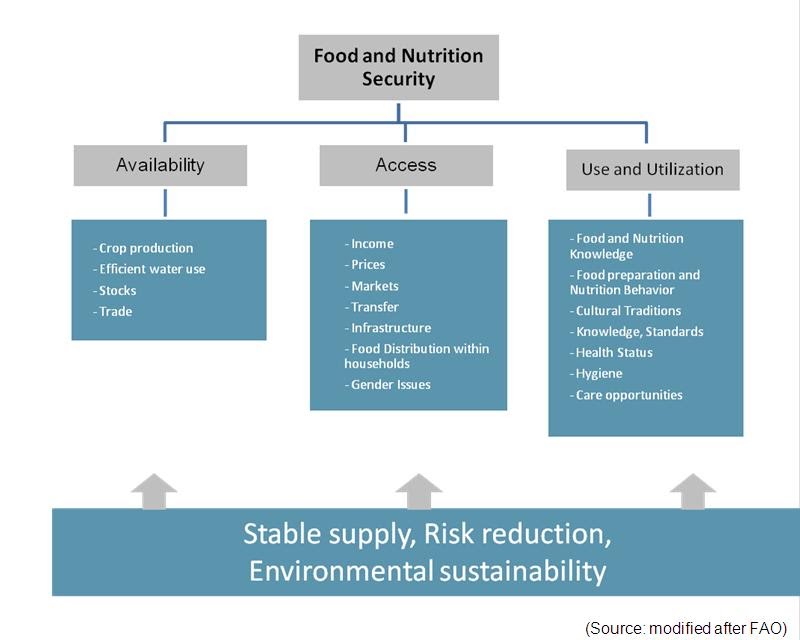
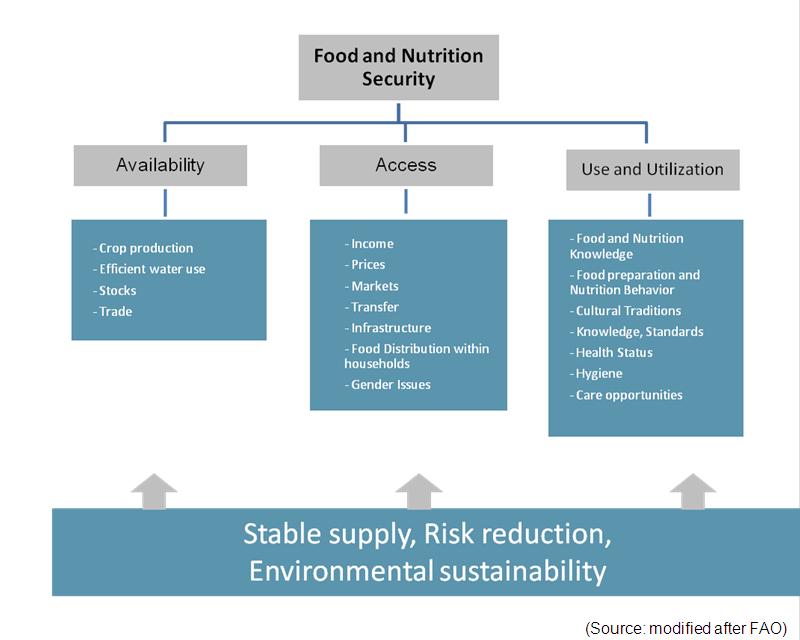
According to FAO, Food Security is “a situation that exists when all people, at all times, have physical, social and economic access to sufficient, safe and nutritious food that meets their dietary needs and food preferences for an active and healthy life” . The four pillars for Food Security are (Figure 1):
The starting point is the first pillar of Food Security, which is “Availability” which refers to the physical existence of food and water.
Globally: Irrigated agriculture represents 20 % of the total cultivated land and contributes 40% of the total food produced worldwide. Currently, agriculture accounts for 70 % of all freshwater withdrawals globally. However, there is pressure for water re-allocation which means that 25-40% of agricultural water will be reduced.
Africa: Agriculture is the largest user of water in Africa, accounting for about 85-88 % of total water use. Yet only 185 million ha or 6 % of the total area of the region is under cultivation. Of this, some 12 million or 6% of the total cultivated area is under irrigation. (Source)
The World Health Organisation (WHO) published in 1984 a description of a Food Nutrition Surveillance System (FNSS).The national and local nutrition surveillance systems focus on identifying trends in key nutrition-related health indicators for their populations, with particular attention on vulnerable groups. The objectives are:
Monitor population health and nutritional status
Deliver trustworthy data on the people nutritional status
Show trends and comparisons
Raise awareness about nutritional problems
Provide guidance to health-related intervention programs
The national and local authorities’ responsibility is to establish a pragmatic and reliable surveillance system to alarm and prevent water availability and water quality-related food security problems and risk.
This hackathon challenge is addressed to African communities’ Agricultural Water Security. The aim is to grasp local current situations, identify needs and ideate solutions to improve the water monitoring system.
The water monitoring system encompasses e.g. collecting data, analyzing data and sharing data with feasible and robust digital tools to enhance decision making, risk management and development.
TUULA LÖYTTY earned her MSc in Industrial Engineering and Management from Lappeenranta-Lahti University of Technology. She has worked for 18 years at the private sector corporations such as dairy-, sugar- and metal industry and for 18 years at the higher education in three different universities contributing research and innovation action. Digital solutions and ICT technology have been part of her work since 80′ and she prefers to act as a bridge between IT – developers and end-users. She launched the new phase in 2018 when she jumped into an entrepreneur career. She is a member of Plan4all (www.plan4all.eu) committee. Co-operation with Plan4all has encompassed mentoring in Nairobi, Kampala and COVID-19 Inspire Hackathons in 2019-2020.
MARKETA KOLLEROVA studied Linguistics at University of South Bohemia. In the Plan4all team, she is responsible for international cooperation and communication, where she uses her experience from her past life as a foreign mission clerk. Enjoys the comparison of living in different countries and regions.
KAREL CHARVAT graduated in theoretical cybernetics. He is a member of International Society for Precision Agriculture, Research Data Alliance, vice chair of Club of Ossiach, CAGI, and CSITA. He was in period 2005 – 2007 President of European Federation for Information Technology in Agriculture Food and Environment (EFITA). Now is chair of OGC Agriculture DWG. He was organiser on many hackathons, where as most important were series of INSPIRE Hacks and MEDHackathon. He work on implementation on national INSPIRE Geoportal. Now he is also active in Plan4all association. He has long time experience in ICT for Environment, transport, Agriculture and Precision Farming. Now he is one from promoters of Open and Big Data in Agriculture in Europe. Participation in projects: Wirelessinfo, Premathmod, EMIRES, REGEO, RuralWins, Armonia, aBard, EPRI Start, Ami@netfood, AMI4For, Voice, Naturnet Redime, Mobildat, SpravaDat, Navlog, c@r, Humboldt, WINSOC, Plan4all, Habitats, Plan4business, SmartOpenData, FOODIE, SDI4Apps, AgriXchange, FOODIE, SDI4Apps, OTN, DataBio, EO4AGRO, EUXDAT, SmartAgriHub, SKIN and other projects.
H2020 PoliRural project develops an innovative text mining application called SemEx – Semantic Explorer. SemEx pilot is addressed to analyse unstructured data which is related to rural development and rural attractiveness.
CITIES2030 implements System Thinking on City/Region Food System transformation.
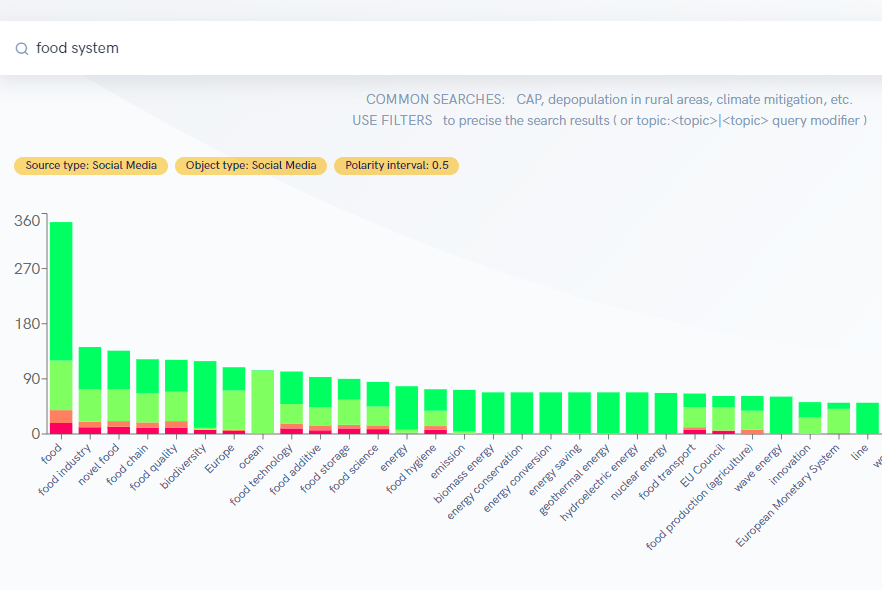
CITIES2030 conducts a “literature review” on System Thinking, but not in a traditional manner, but using a text mining application which is developed at PoliRural project.
The STEM-center in Päijät-Häme region organized a StarT-festival 16.3.2021. The festival was part of the Start-program which introduces STEM project and good practices which are carried out at Päijät-Häme schools. The link to the StarT-programme is this one https://start.luma.fi/
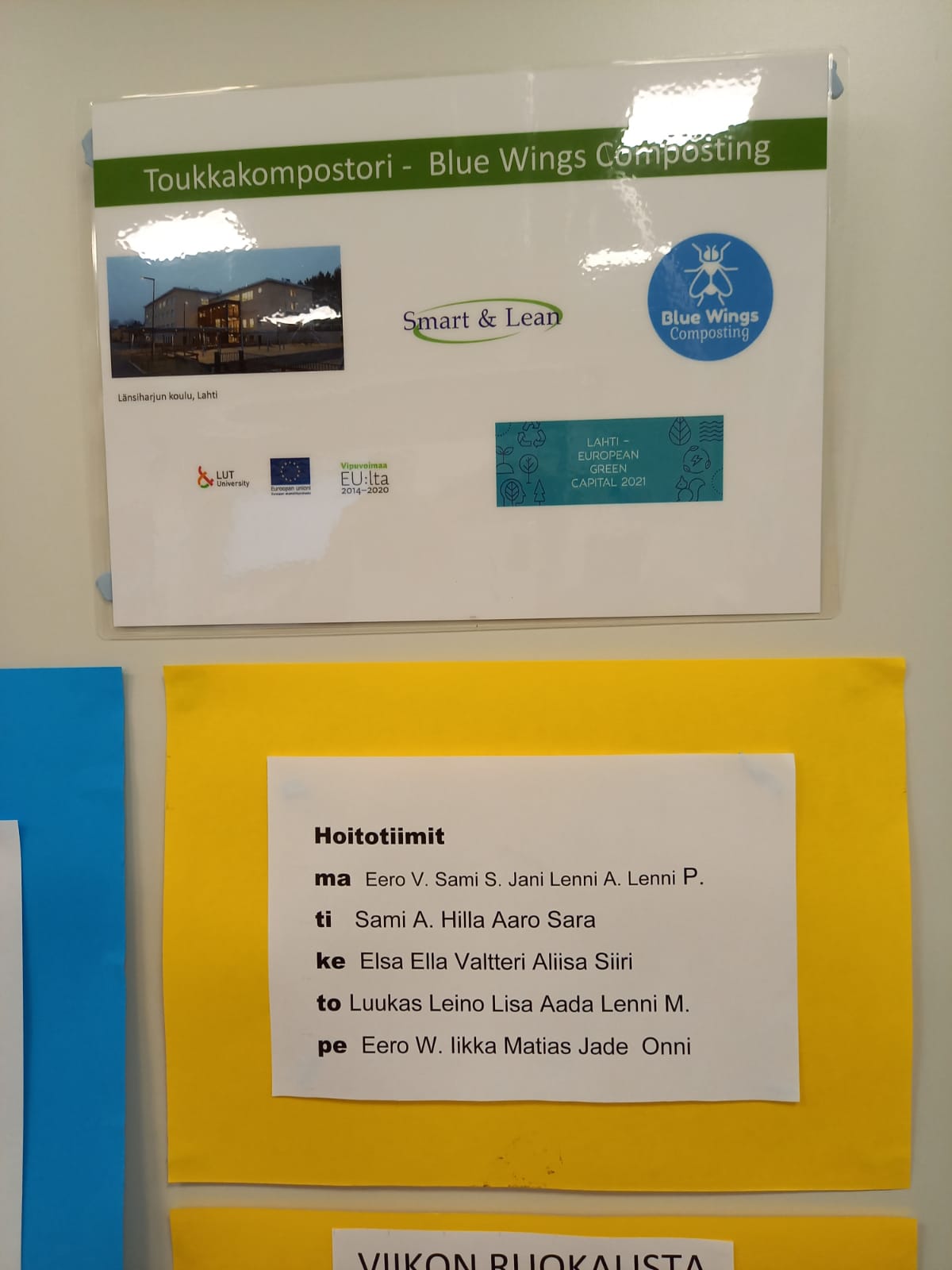
The Blue Wings Composting – Toukkakompostori in Finnish – was one of the candidates in the group of “good practices”.
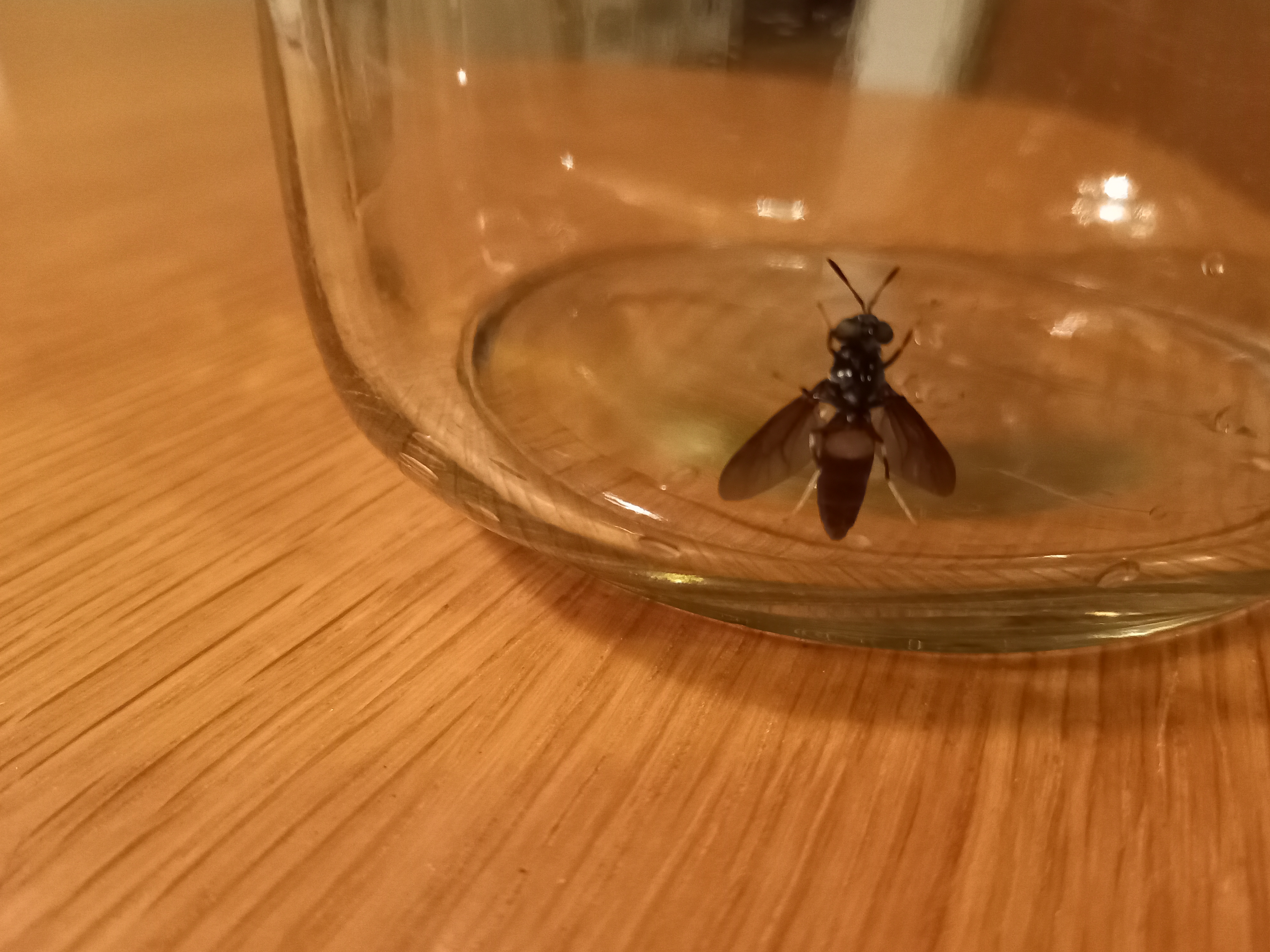
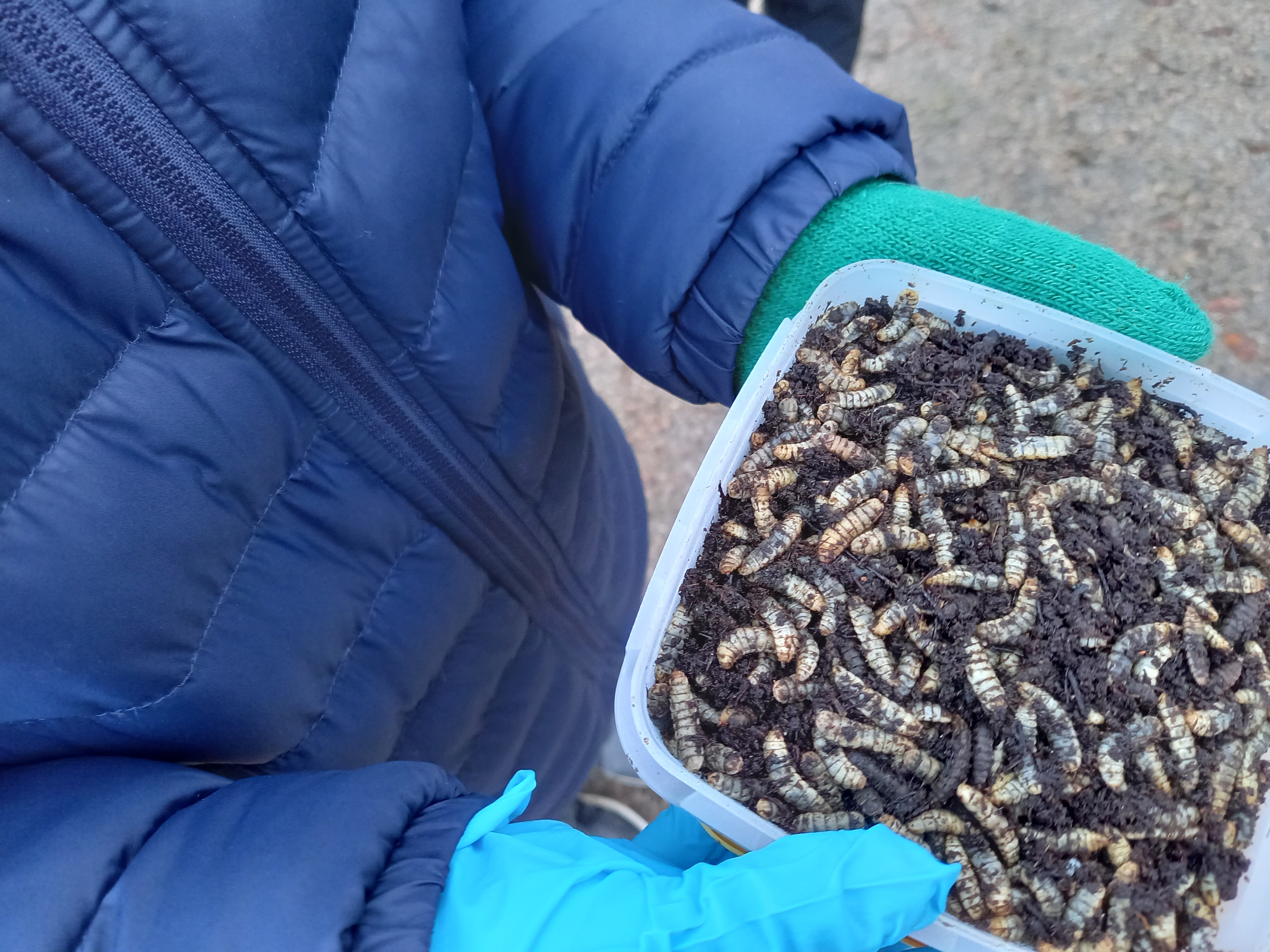
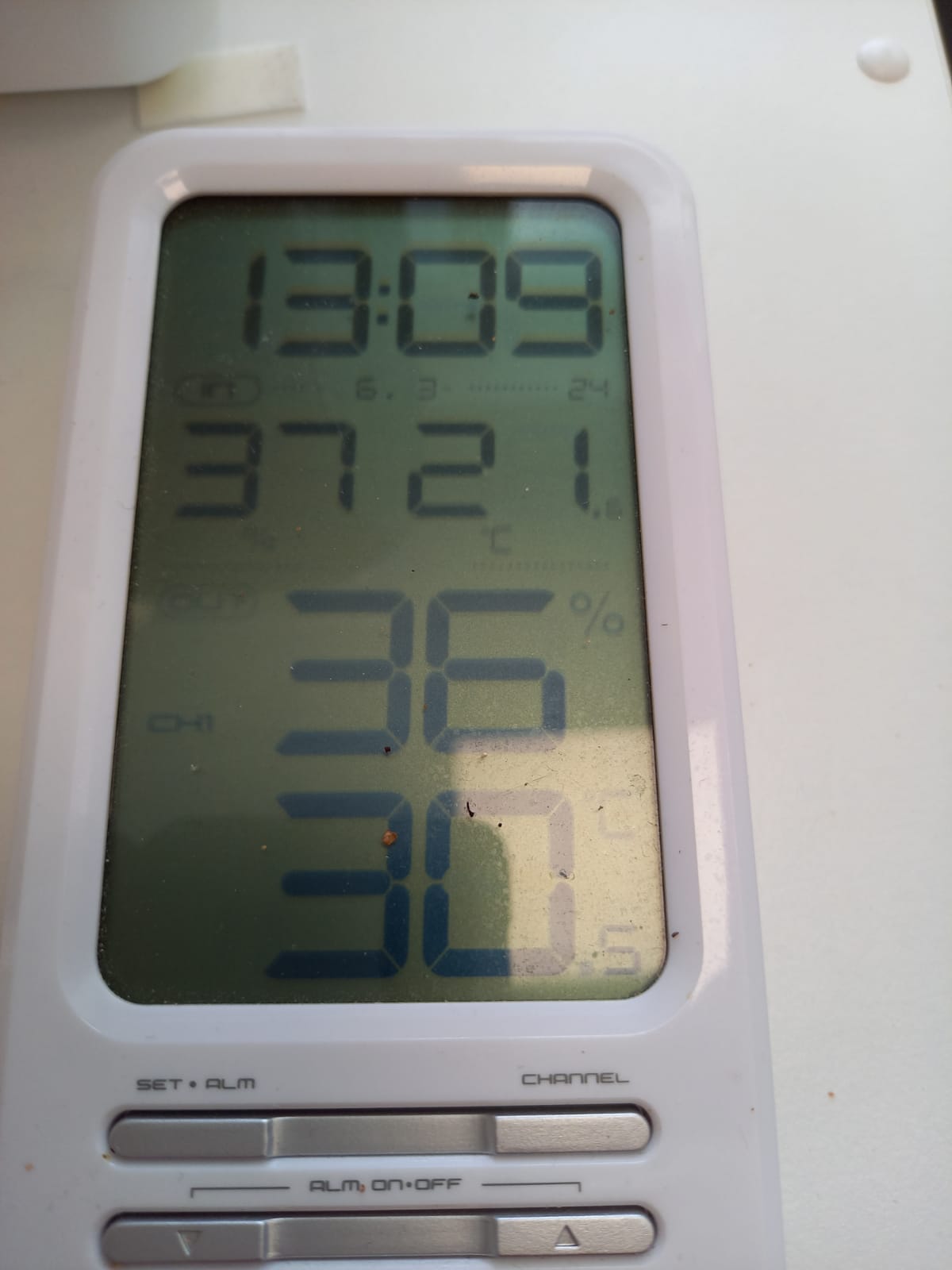
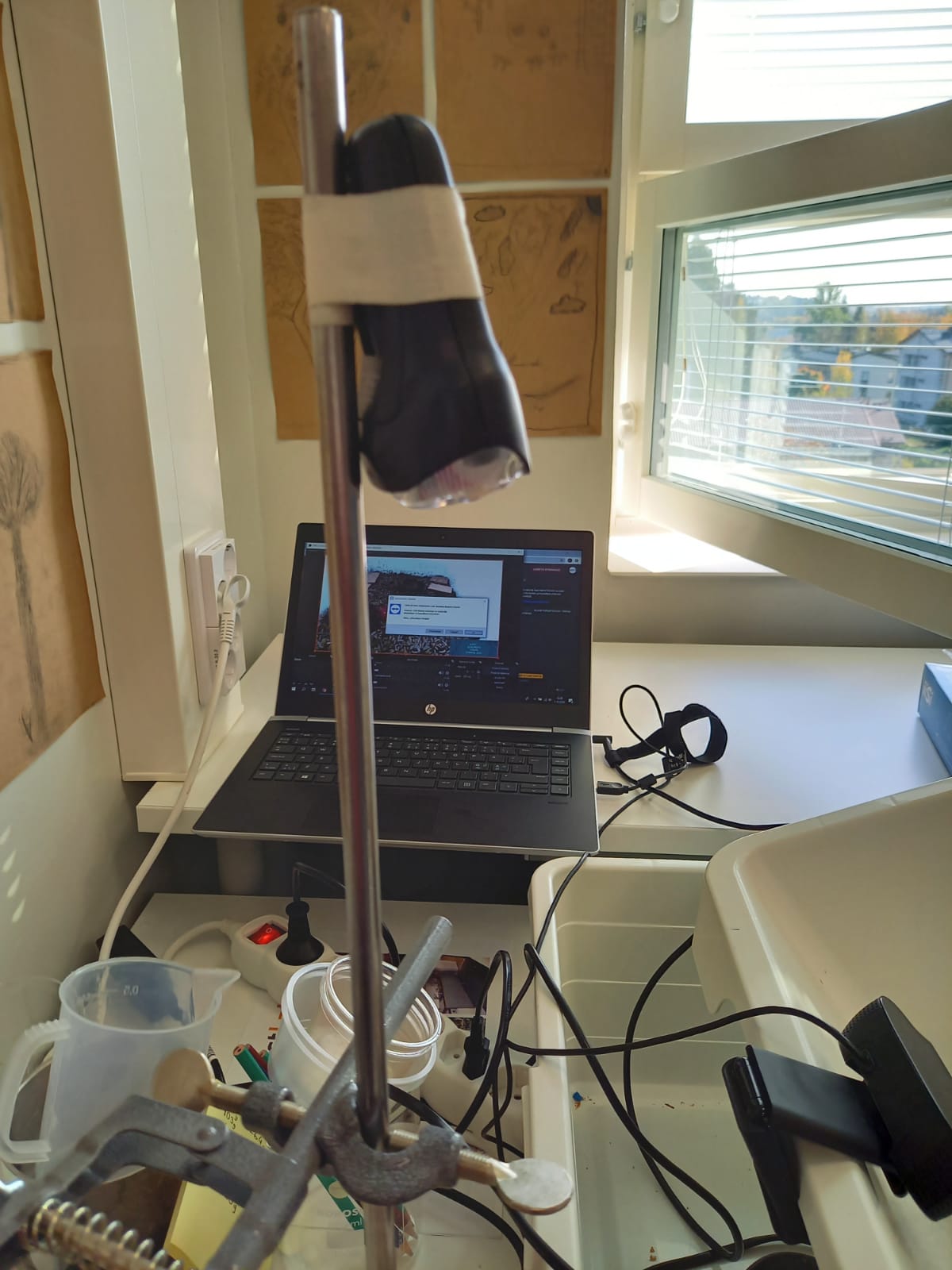
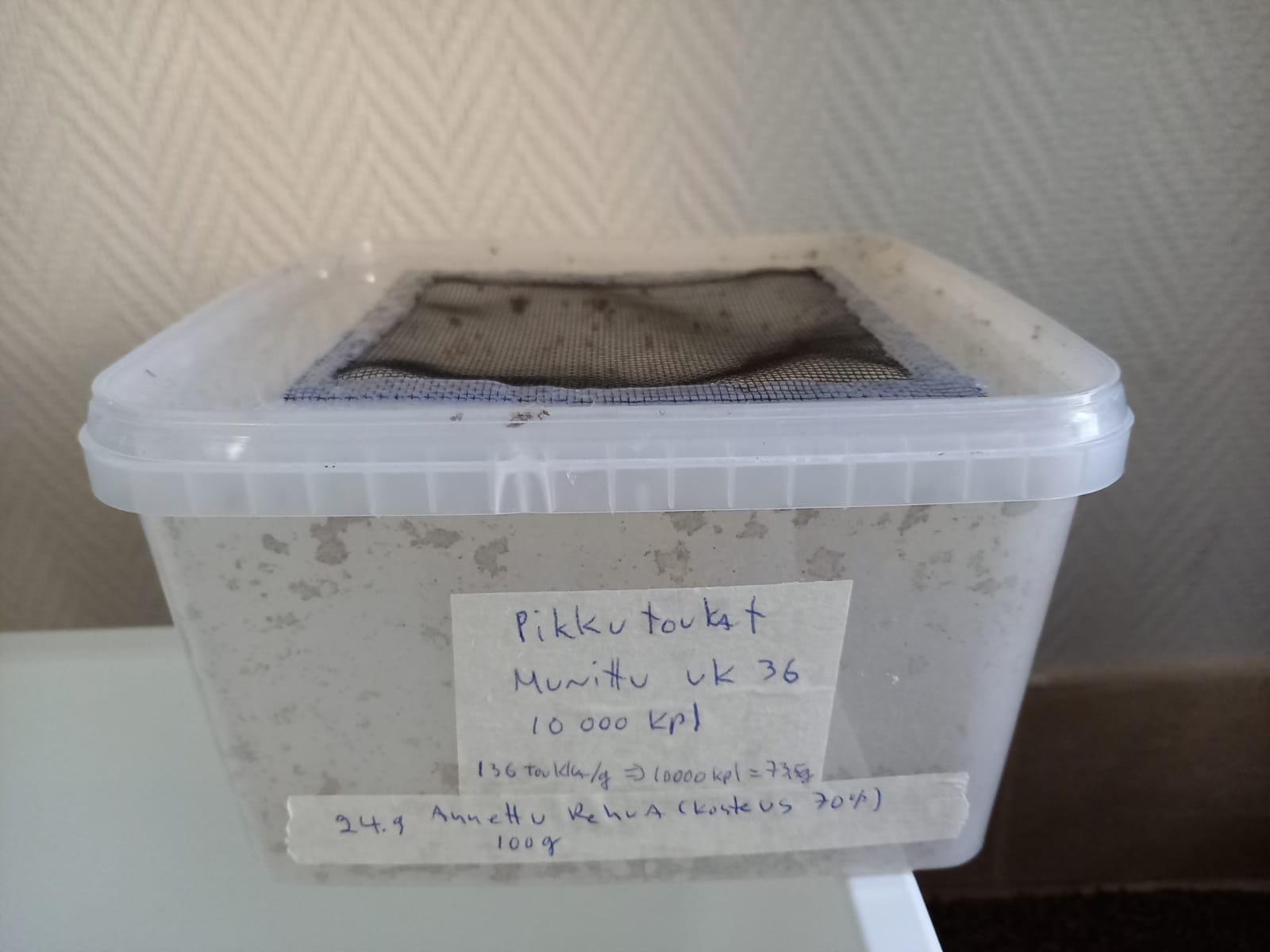
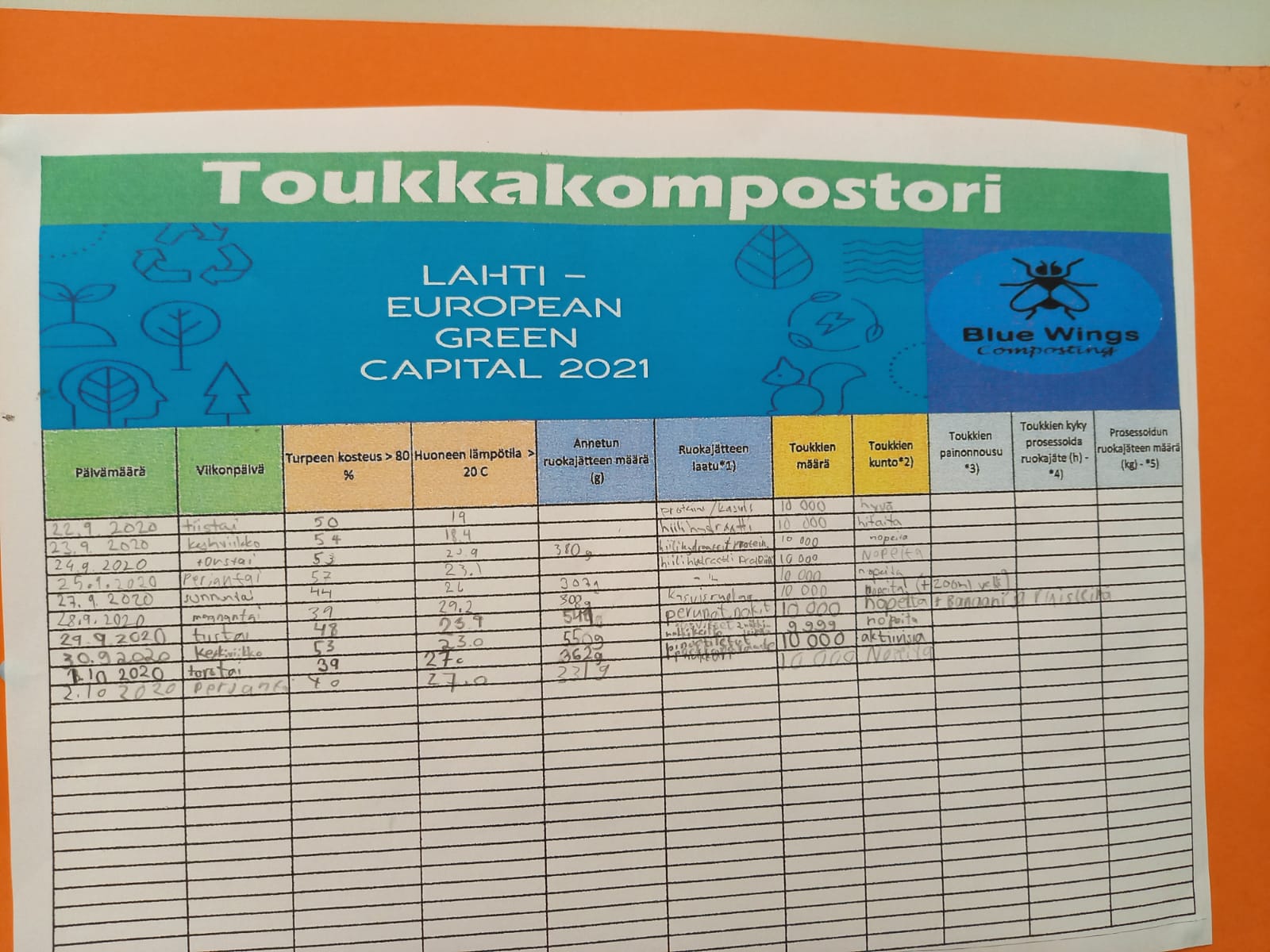
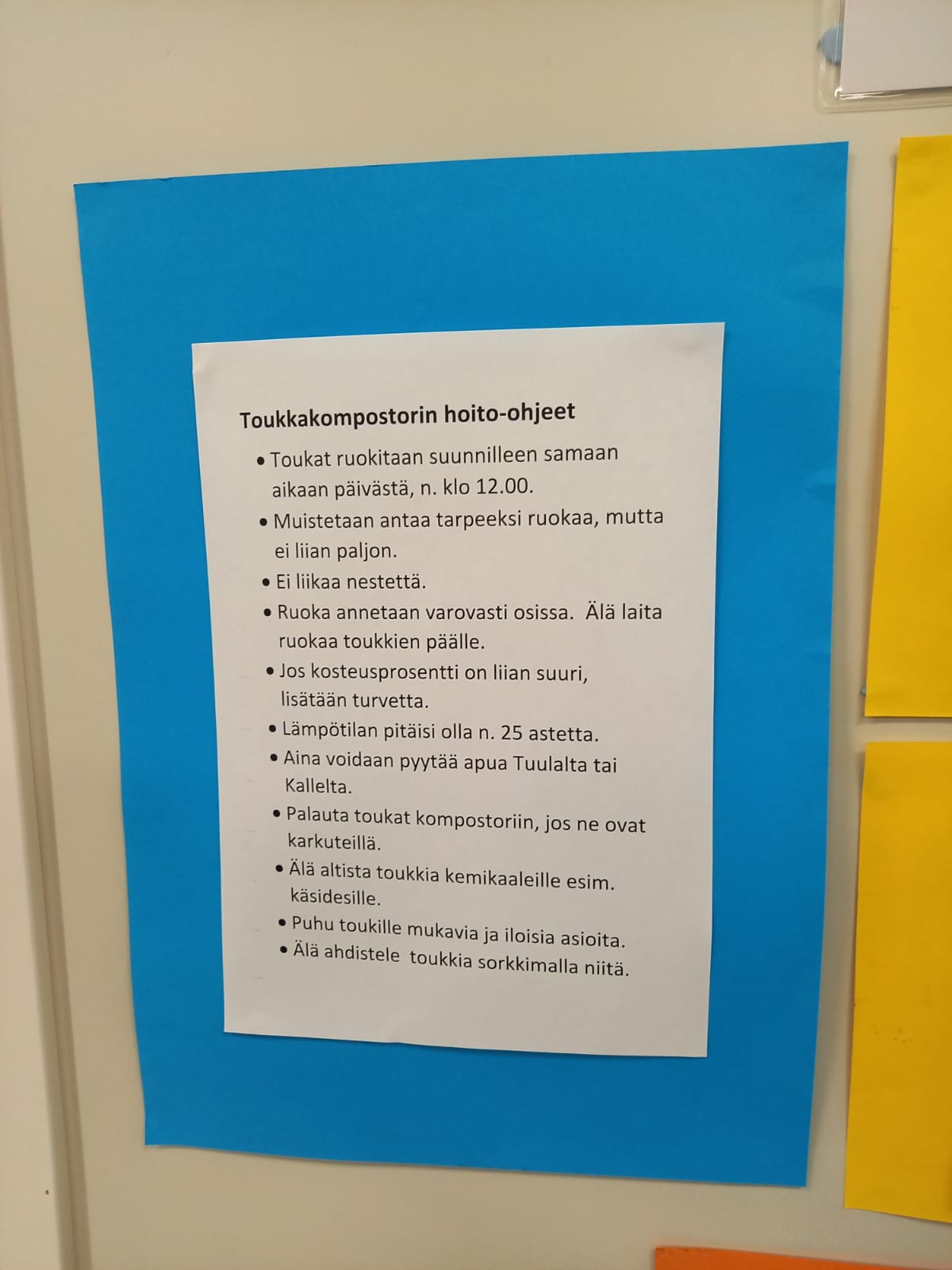
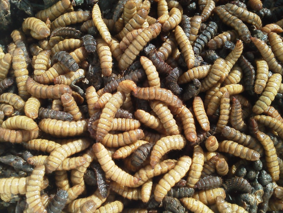
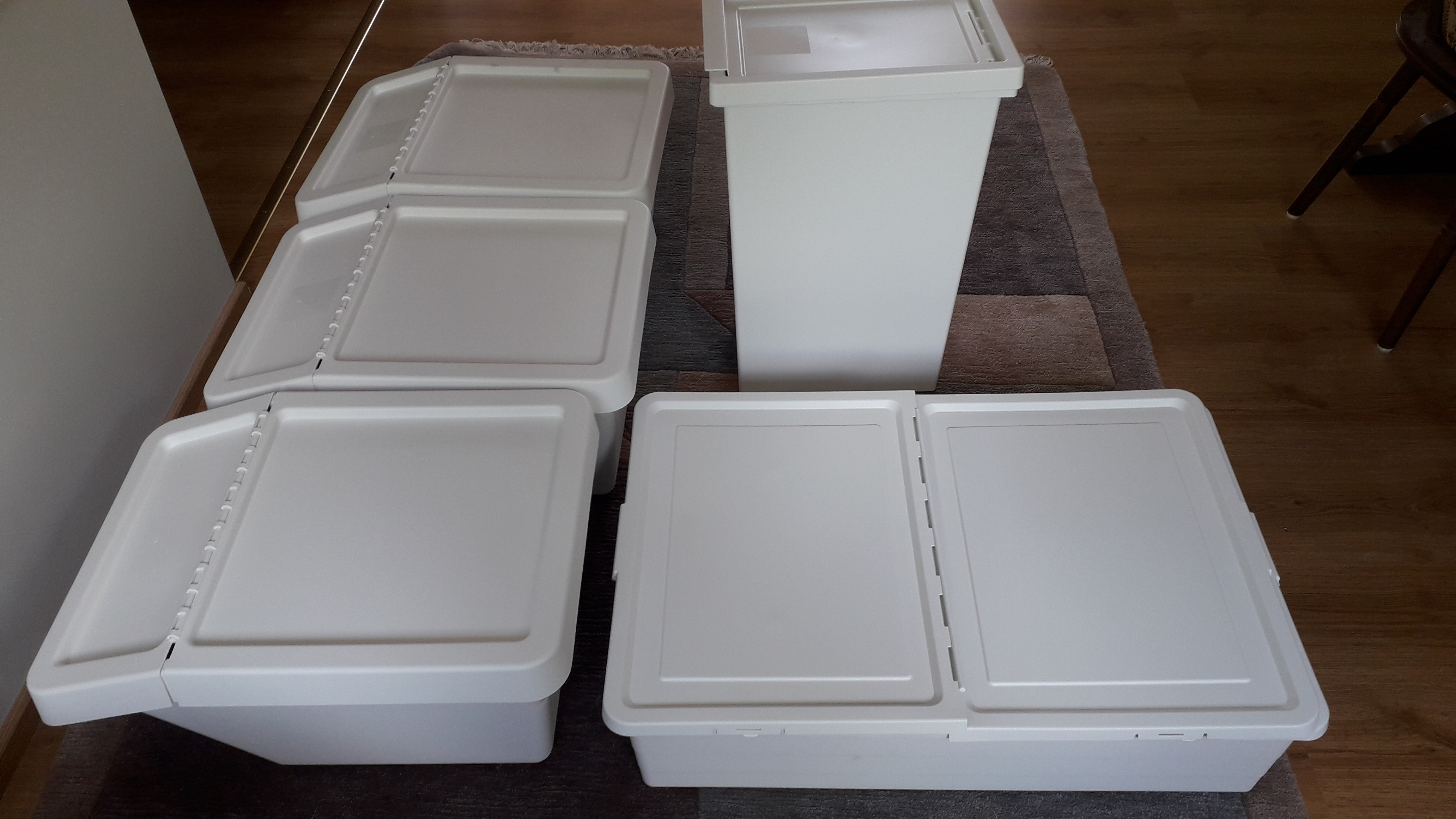
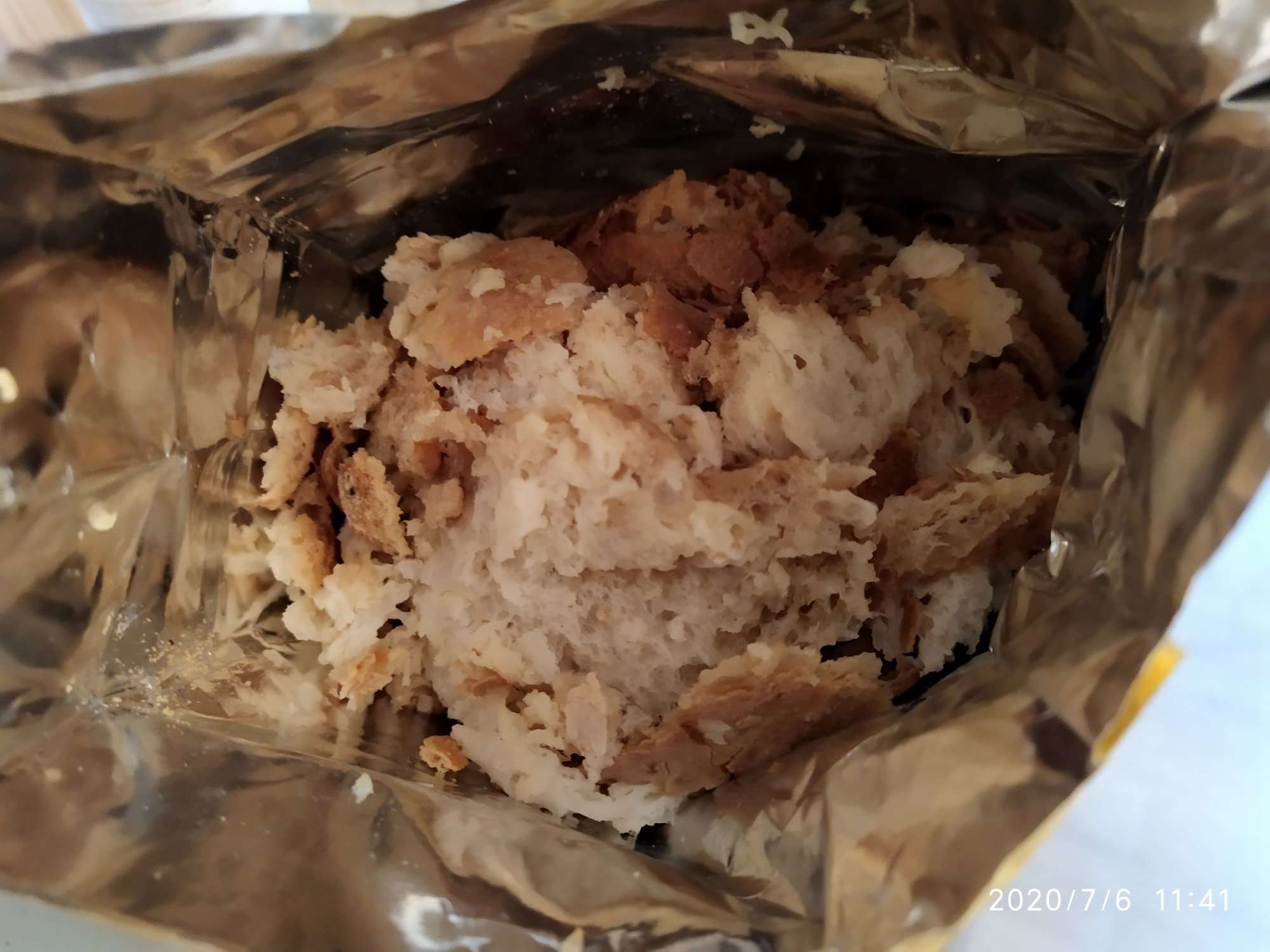
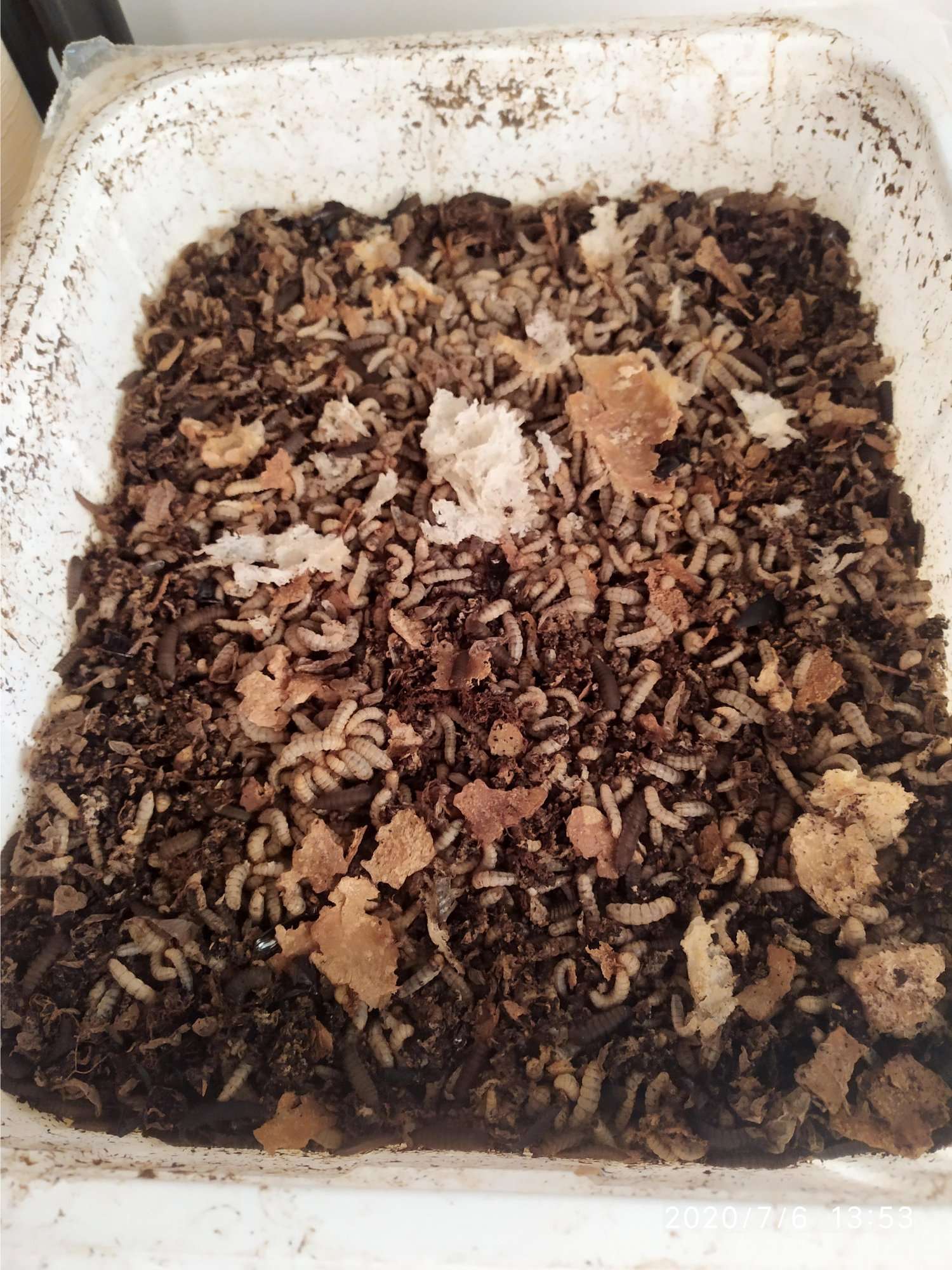
The experiment at Länsiharju school is finished. Children and the teacher feed most of the larvae to teacher colleague’s chickens and to the Vesijärvi fishes. Less than 100 larvae were bred from larvae up to black soldier flies.
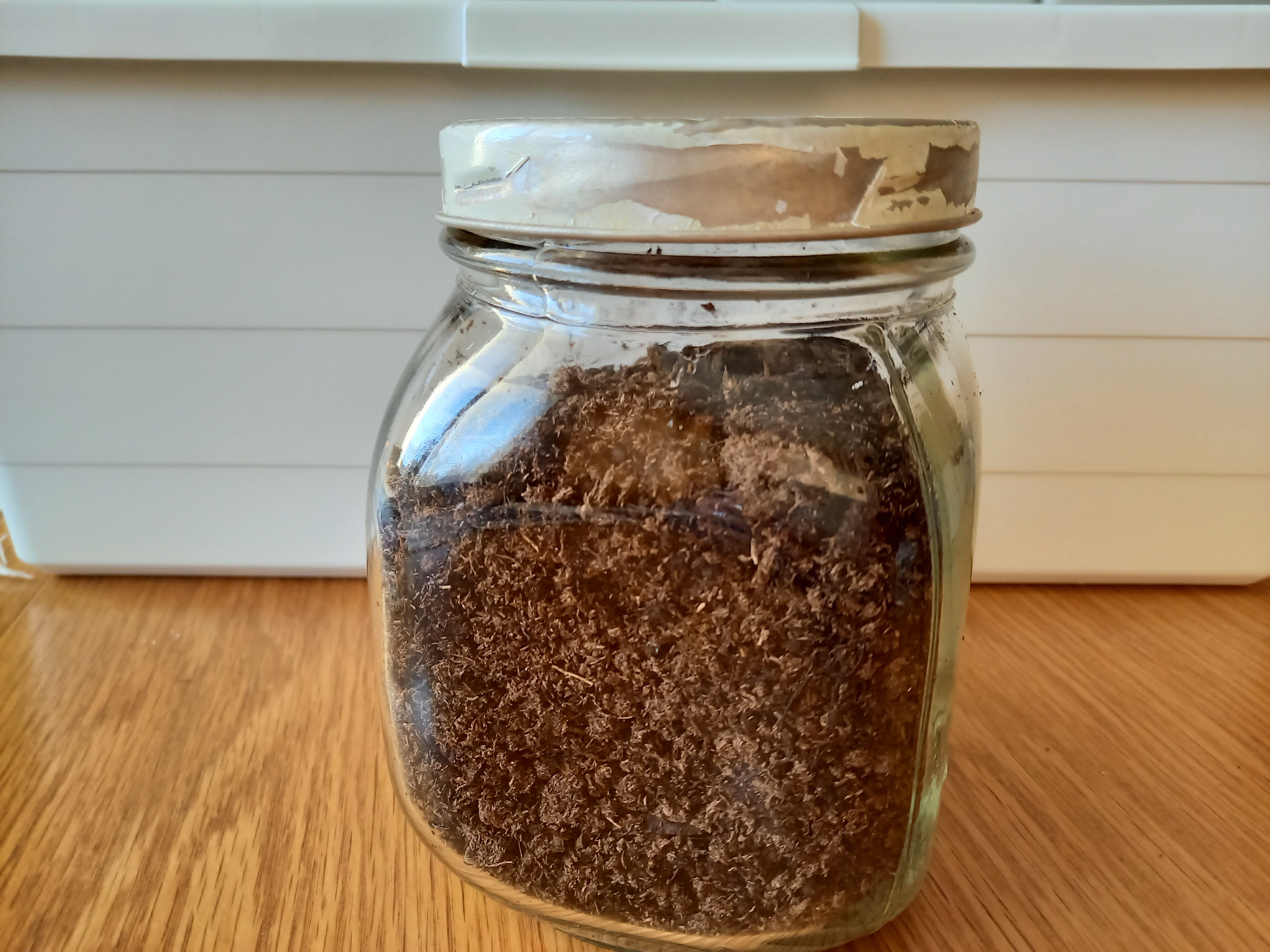
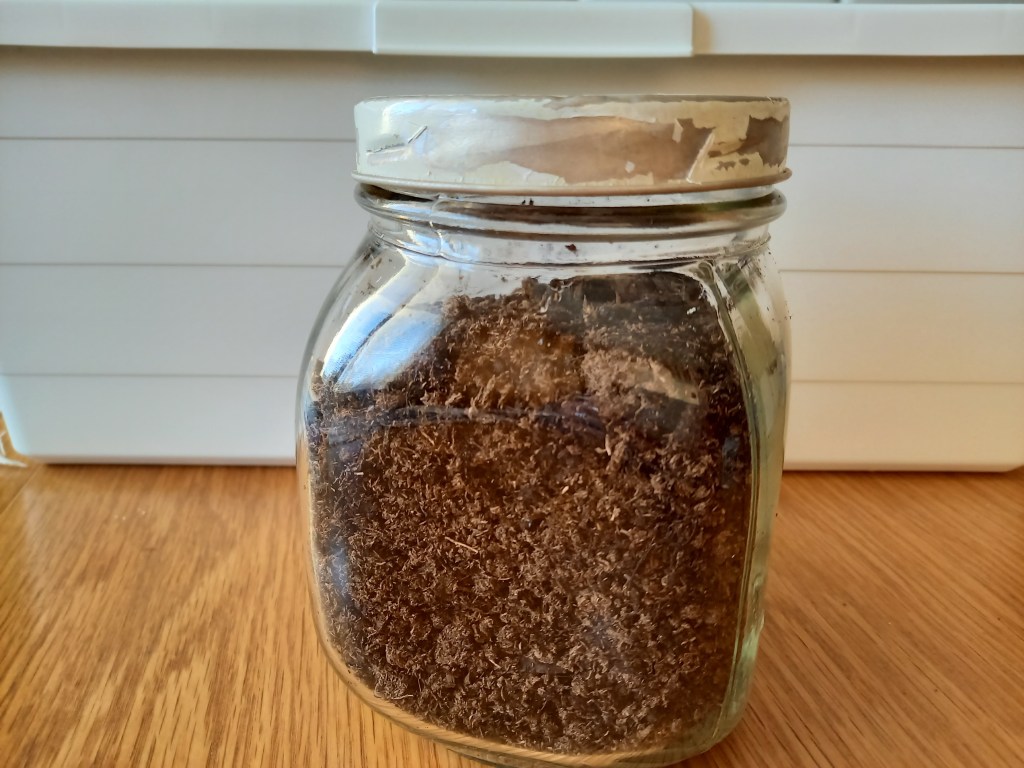
The fourth fraction which is a result of the experiment is a glass bin full of organic fertilizer which is a composition of composted food, peat which was used as a bed of larvae and larvae poo. I will use this fertilizer in the garden in spring 2021.
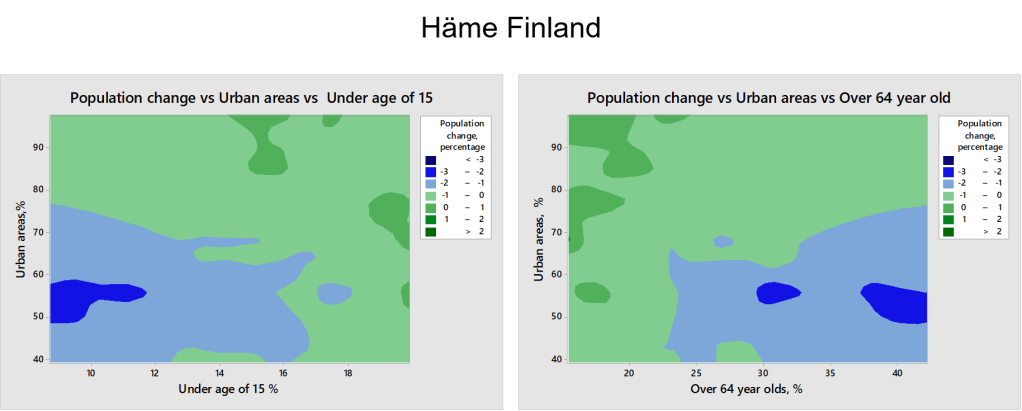
PoliRural aims to model rural attractiveness system e.g. responses, factors, loops and weights. See below one well known situation of Häme (FI) based on the data from the years 2009-2019. What kind of policy measures are needed to change the trend?
COVID-19 INSPIRE Hackathon was finalized by a presentation of the results and awards ceremony. We are so happy to announce that the team that Smart & Lean was a part of came in 2nd place with project “Challenge #8 Digitalization of indigenous knowledge in African agriculture for fostering food security / Antoine Kantiza, Tuula Löytty et al.”. Please check Plan4all’s website if you want to learn more about the project. https://www.plan4all.eu/2020/11/covid-19-inspire-hackathon-2020-results/








 Smart & Lean