Kiertotalous ei etene pelkillä sanoilla, vaan teoilla – ja kunnissa ne teot tehdään hankintojen kautta.
Kunnalliset hankintaorganisaatiot ottavat pakkausjäteasetuksen vaatimukset käytännön ohjenuorakseen:
✅ ympäristökriteerit sisällytetään tarjouspyyntöihin ✅ materiaalivirrat ohjataan uudelleenkäyttöön ja kierrätykseen ✅ palvelumallit tukevat jätteen synnyn ehkäisyä
Tuloksena syntyy hankintoja, jotka eivät ainoastaan täytä asetuksen minimivaatimuksia, vaan nostavat kunnallisen toiminnan uudelle tasolle vastuullisuudessa ja resurssitehokkuudessa.
Kun julkinen hankinta toimii suunnannäyttäjänä, koko markkina seuraa perässä. 🌍
Acknowledgement
Change(K)now! project is co-funded by Interreg Baltic Sea Region. The project’s main objective is a mindset change from single-use to circular or multiple-use of food delivery systems in cities and residents of the Baltic Sea Region.
♻️ Miten julkiset hankinnat voivat vähentää ammattikeittiöiden pakkausjätettä?
Ammattikeittiöissä syntyy merkittäviä määriä elintarvikepakkausjätettä. Esimerkiksi Lahden suurimmassa valmistuskeittiössä kertyy noin 6 000 kg pakkausjätettä miljoonaa ateriaa kohden.
🌍 Vastauksena tähän Change(K)now! Interreg Baltic Sea Region – hanke on käynnistänyt pilotoinnin Lahdessa, jossa kehitetään kestäviä hankintakriteerejä elintarvikepakkauksille julkisiin hankintoihin.
🎯 Tavoitteena on: vähentää pakkausjätettä vauhdittaa kiertotaloutta edistää vihreiden hankintojen käyttöönottoa
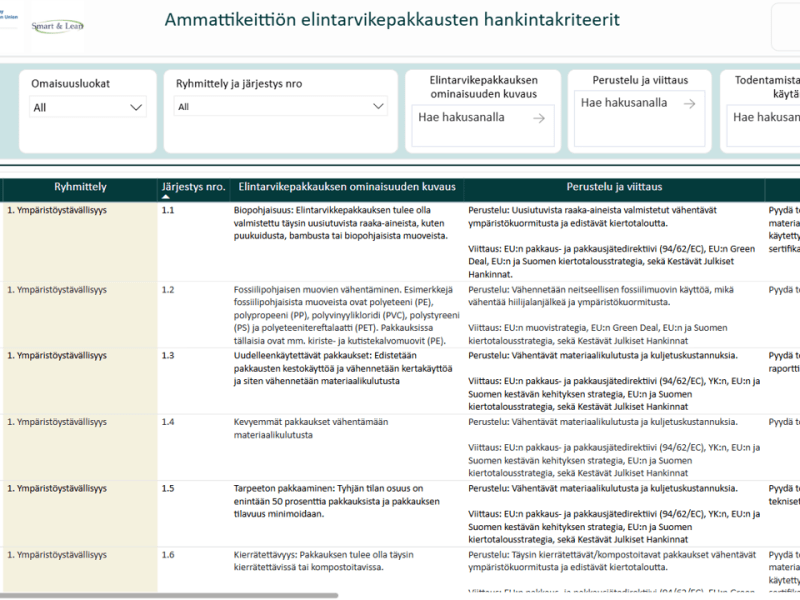
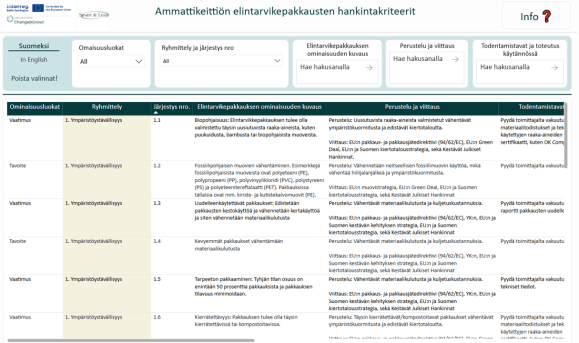
🧩 Tutustu pilotin tuloksena laadittuihin hankintakriteereihin interaktiivisella Power BI – alustalla. Kokeile sitä ja anna palautetta!
Change(K)now! project is co-funded by Interreg Baltic Sea Region. The project’s main objective is a mindset change from single-use to circular or multiple-use of food delivery systems in cities and residents of the Baltic Sea Region.
Tervetuloa työpajaan, jossa pureudutaan ruokapakkausten kiertotalouden ratkaisuihin ammattikeittiöiden näkökulmasta. Työpajassa kuulet ajankohtaista tietoa ruokapakkausten ympäristövaikutuksista, EU:n uudesta pakkaus- ja pakkausjäteasetuksesta sekä käytännön kokemuksia ruokapalveluiden pakkausratkaisuista. Lisäksi pääset osallistumaan keskusteluun ja verkostoitumaan muiden alan toimijoiden kanssa.
Työpaja järjestetään 27.8.2025 klo 13:00 – 16:00 Lahdessa.
Ohjelmassa
Asiantuntija-alustuksia mm. EU-sääntelystä ja pakkausten ympäristövaikutuksista.
Kokemuksia ruokapalveluiden käytännöistä ja kiertotalousratkaisuista.
Keskustelua ja verkostoitumista elintarvikeketjun toimijoiden kesken.
Varmistuneet puheenvuorot:
Pakkausten merkitys ja ympäristövaikutusten vertailun tilanne Juha-Matti Katajajuuri, ryhmäpäällikkö, erikoistutkija, Luonnonvarakeskus
Kiertotalouden mukaiset pakkausratkaisut ruokapalveluille – mitä tuleva sääntely edellyttää ja miten siihen voidaan vastata? Eija Jokela, kehityspäällikkö, Suomen Pakkaustuottajat Oy
Tarkempi ohjelma julkaistaan elokuun alussa.
Ilmoittautuminen
Paikkoja on rajoitetusti, joten varaa paikkasi ajoissa. Ilmoittaudu mukaan viimeistään 15.8.2025 tämän linkin kautta. Työpaja on suunnattu ruokapalveluiden, tavarantoimittajien ja elintarviketeollisuuden edustajille sekä kuntien hankinnoista vastaaville.
Tilaisuuden järjestää Päijät-Hämeen liitto ja Interreg Baltic Sea Region rahoittama Change(K)now! -hanke, jonka tavoitteena on asennemuutos kertakäyttöisistä ruoan pakkaus- ja jakeluratkaisuista kohti kestokäyttöä ja kiertotaloutta.
Lisätietoja: Johanna Snell, johanna.snell(a)paijat-hame.fi
Acknowledgement
Change(K)now! project is co-funded by Interreg Baltic Sea Region. The project’s main objective is a mindset change from single-use to circular or multiple-use of food delivery systems in cities and residents of the Baltic Sea Region.
The enablers of systemic transition in circular and sustainable food packaging practices in institutional catering within the Baltic Sea Region
ChatGPT produced the below literature review after being prompted with the Lahti pilot actions, results and findings. The literature review points out the key factors that facilitate circular food packaging systems in institutional catering such as:
Policy and Regulatory Enablers
Sustainable Procurement Practices
Technological and System Innovations
Infrastructure Readiness and Investment
Stakeholder Engagement and Collaboration
Behavioral and Cultural Factors
Literature review Conclusion Enabling a systemic shift to circular packaging in institutional catering requires a combination of policy, practice, infrastructure and culture. In the Baltic Sea Region, emerging evidence shows that progress comes when municipalities set ambitious targets, embed sustainability in procurement, foster innovative reuse systems, and actively engage all stakeholders (schools, suppliers, NGOs, citizens) in the transition. EU and national-level policies create the framework, while practical enablers (e.g. tender criteria) bring the circular solutions into daily operations. Ultimately, attitudes must change alongside systems – hence education and visible commitments are also key. Together, these enablers form an ecosystem that can transform school and hospital catering into models of sustainable, circular consumption in the BSR.
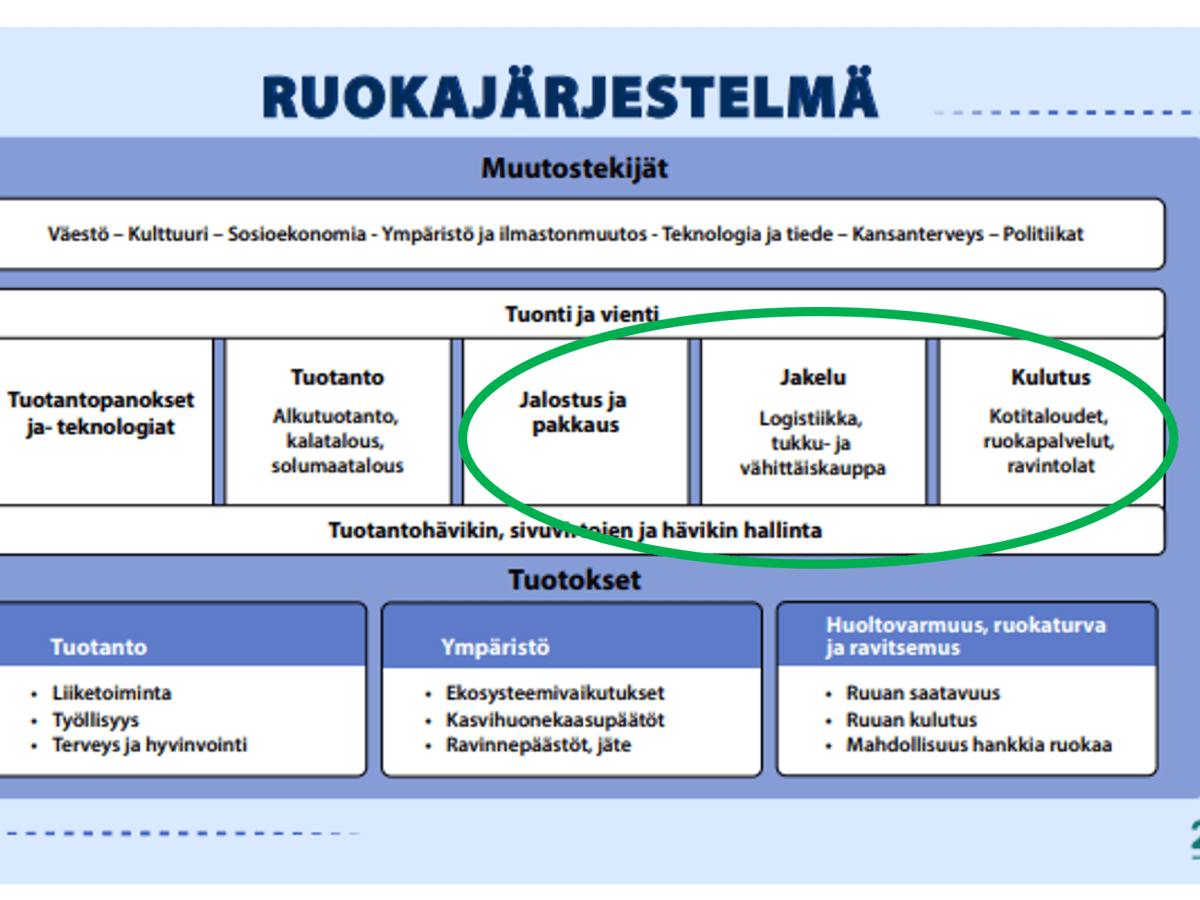
The value chain of the food service industry and the Lahti pilot’s areas of intervention
The food service industry value chain describes the sequence of activities and processes involved in delivering food services to customers. Here’s a simplified structure for institutional catering:
Procurement & Sourcing: Raw materials, food ingredients, beverages, packaging, and supplies.
Inbound Logistics: Transporting food and materials to kitchens or service sites.
Meal Production / Kitchen Operations: Cooking, preparing, and portioning meals.
Meal Delivery & Distribution: Transporting prepared meals to service points (canteens, classrooms, wards, kiosks).
Serving & Consumption: Serving meals to customers, dine-in or takeaway, using trays, plates, cups, etc.
Lahti piloted steps no. 1: Procurement and Sourcing, and 2: Inbound Logistics.
Acknowledgement
Change(K)now! project is co-funded by Interreg Baltic Sea Region. The project’s main objective is a mindset change from single-use to circular or multiple-use of food delivery systems in cities and residents of the Baltic Sea Region.
Käynnistämme uuden kampanjan, jonka tavoitteena on kannustaa sinua pohtimaan ruokapakkausten käyttöä. Kampanja toteutetaan yhdessä Change(K)now! Interreg hankkeen kumppaneiden kanssa.
📦 Olipa kyseessä kouluruokailu, tapahtumat tai noutoruoka, valintamme voivat lisätä saastumista 🌍 ja vaikuttaa terveyteemme 🏥.
Pienillä muutoksilla, kuten valitsemalla uudelleenkäytettäviä astioita ♻️ ja vähentämällä kertakäyttömuoveja, voimme luoda terveellisemmän tulevaisuuden itsellemme ja Itämerelle 🌊.
Yhdessä voimme siirtyä kestävämpiin tapoihin, suojellen sekä ympäristöä että hyvinvointiamme. 🌈
Seuraa kampanjaa sosiaalisessa mediassa #changeknowcampaign ja tee positiivinen muutos.
Change(K)now! project is co-funded by Interreg Baltic Sea Region. The project’s main objective is a mindset change from single-use to circular or multiple-use of food delivery systems in cities and residents of the Baltic Sea Region.
Change(K)now! aims to promote a change of mindset in food supply systems from disposable to reusable crockery and multi-purpose packaging. The Lahti pilot project focuses on industrial catering.
The third SPRINT workshop was organised by the Lahti pilot team in early September 2024. The workshop brought together stakeholders from the entire institutional catering value chain.
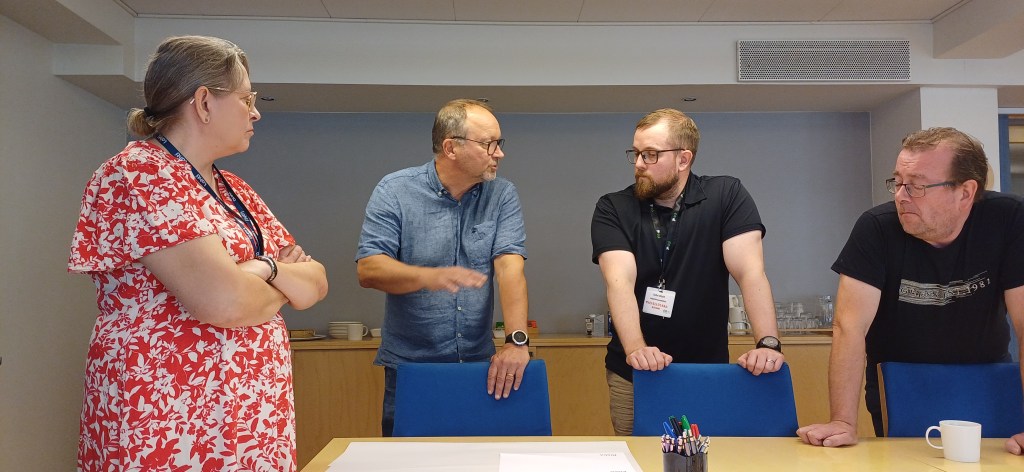
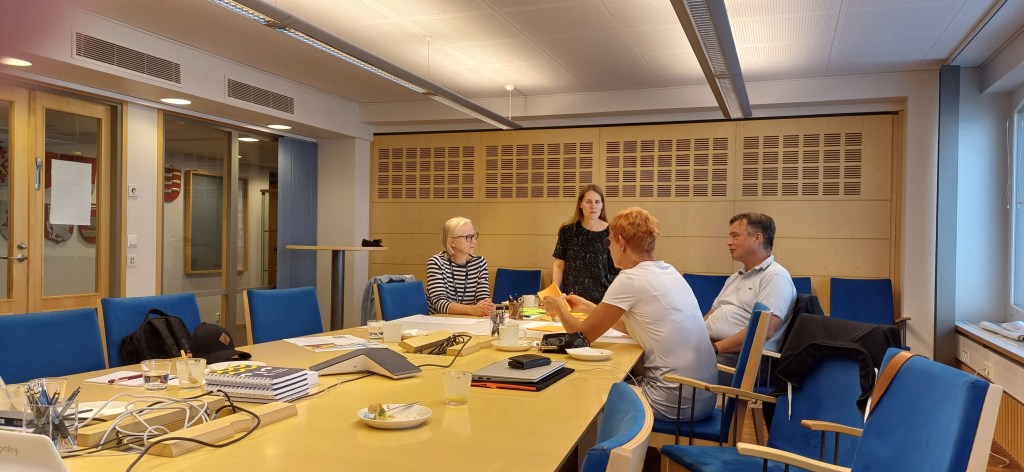
The stakeholders are shown in the two pictures below are as follows: Suomen Pakkausyhdistys ry – Toimitusjohtaja Antro Säilä, Palvelutukku (PATU) – Juho Stolt, Päijät-Hämeen Ateriapalvelut Oy – Jukka Turta, Salpaus koulutuskeskus – Marko Viljamaa ja Sari Kovanen, Hollola municipality institutional catering – Helena Simolin, Lahti city procurement – Tarinka Ringvall.
Working area of the workshop
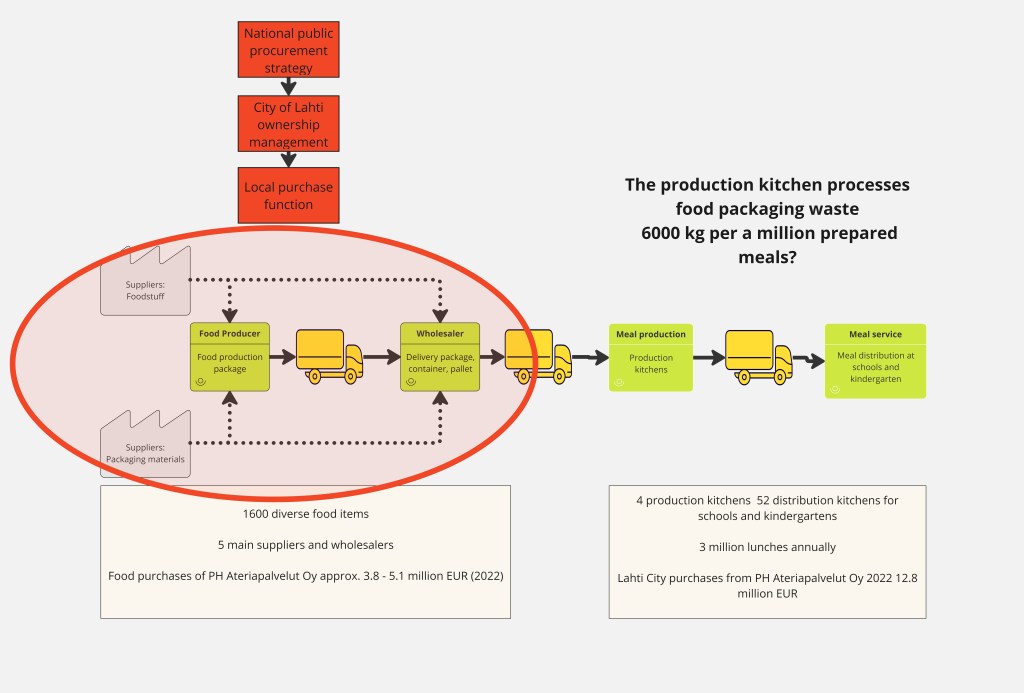
The sketch below illustrates the entire institutional catering value chain in the Lahti environment. The sketch provided a framework for the discussions in the Lahti workshop.
The workshop participants discussed the following two challenges. The discussion touched on the current state, the goal, the means of change, the responsibilities for action and the risks.
Reducing, rethinking and redesigning suppliers’ food packaging
Re-use of suppliers’ food packaging
Conclusions of the Workshop
The Lahti pilot aims to intervene in public procurement practices and identify sustainable practices for wholesalers, promoting transparency and cooperation throughout the value chain.
The pilot aims to identify effective measures through experiments targeting the upstream part of the institutional catering value chain.
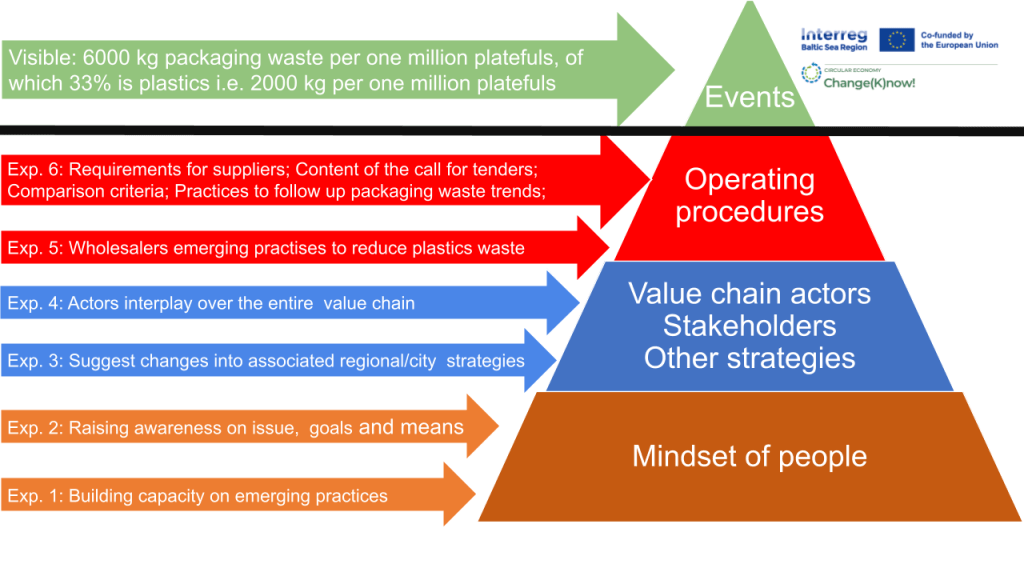
The pilot aims to identify measures to reduce packaging waste by 5% by 2030, 10% by 2035 and 15% by 2040 as as stated in the Packaging and Packaging Waste Regulation Directive (PPWD). The baseline is 6000 kg packaging waste per one million platefuls.
The figure below summarises the experiments and the target area or target group.
Acknowledgement
Change(K)now! project is co-funded by Interreg Baltic Sea Region. The project’s main objective is a mindset change from single-use to circular or multiple-use of food delivery systems in cities and residents of the Baltic Sea Region.
Change(K)now! aims to promote a change of mindset in food supply systems from disposable to reusable crockery and multi-purpose packaging. The Lahti pilot project focuses on industrial catering.
The project uses the SPRINT methodology to prepare the action plan for the Lahti pilot.
The SPRINT methodology has been developed by the project partner Gate21 from Denmark. Gate21 staff also act as internal mentors for partners running a pilot in the project.
The third SPRINT workshop was organised by Lahti Pilot in early September 2024. The workshop brought together stakeholders from the entire institutional catering value chain. The stakeholders represented the packaging industry, wholesalers, production kitchen, service kitchen, city administration and public procurement.
The sketch below illustrates the entire institutional catering value chain in the Lahti environment. The sketch provided a framework for the discussions in the Lahti workshop.
Acknowledgement
Change(K)now! project is co-funded by Interreg Baltic Sea Region. The project’s main objective is a mindset change from single-use to circular or multiple-use of food delivery systems in cities and residents of the Baltic Sea Region.
Change(K)now! aims to promote a change of mindset in food supply systems from disposable to reusable crockery and packaging for different types of use.
The INTERREG Baltic Sea Region programme is funding the project activities, which are being carried out by more than 20 partners.
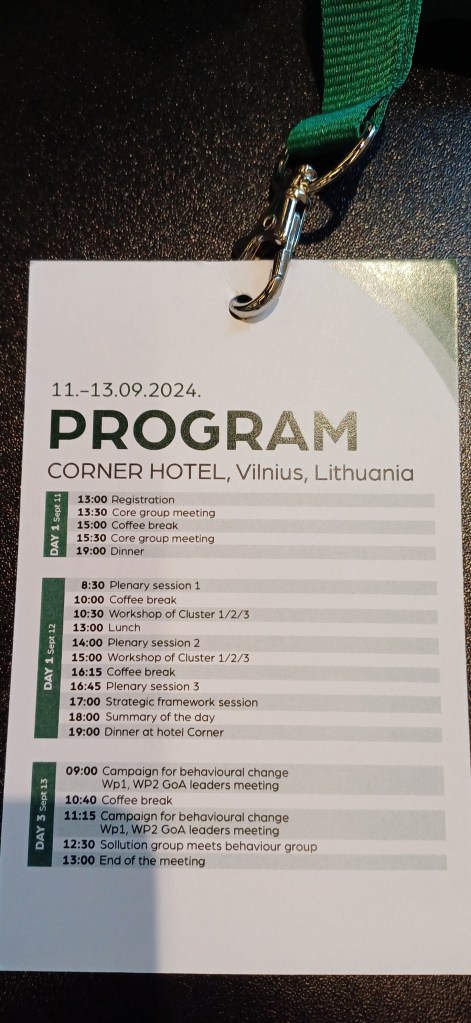
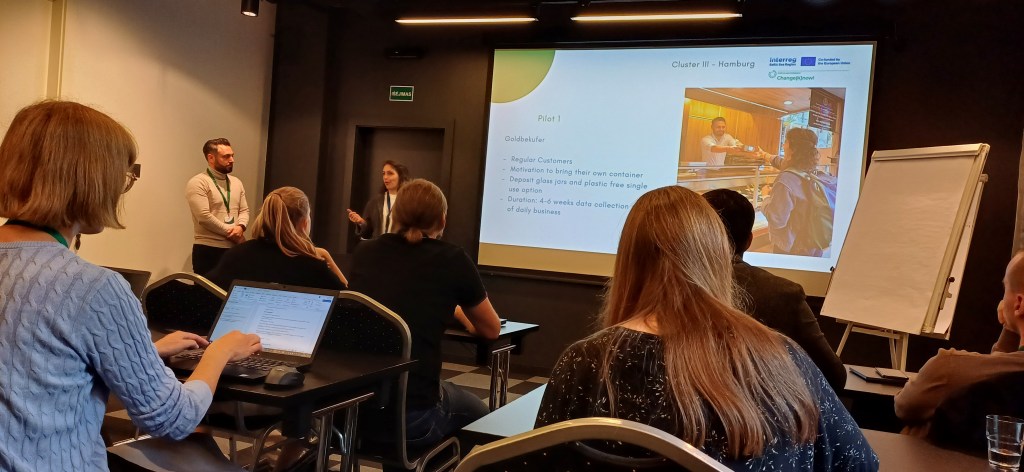
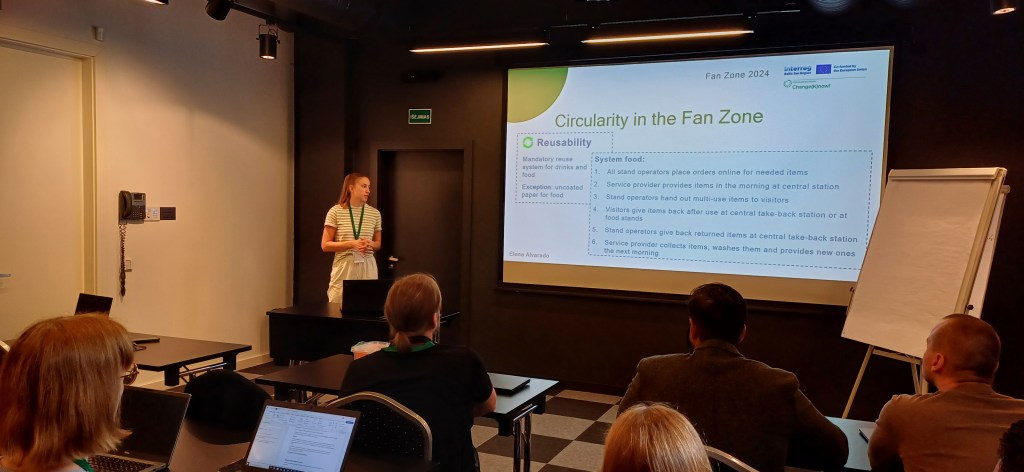
The purpose of the 2nd General Assembly was the finalisation of the draft solutions and test plans for 4 thematic pilots.
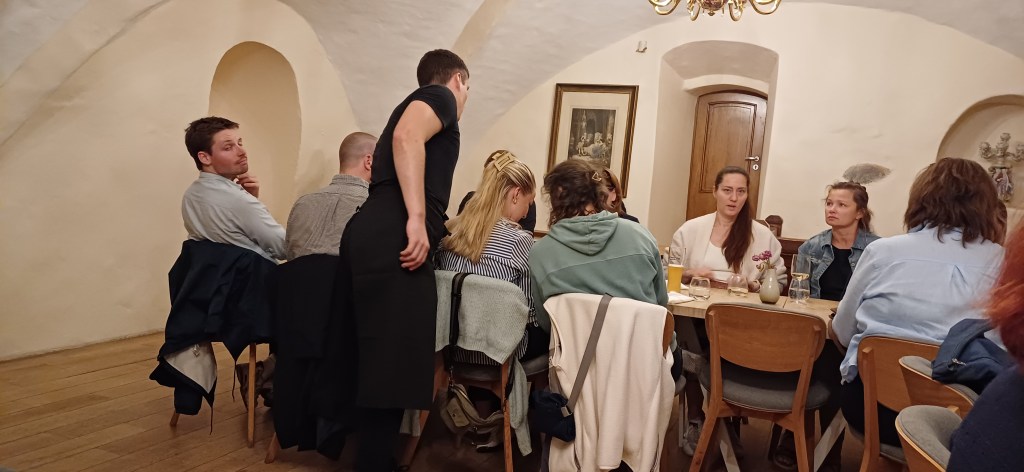
Dinner together in the old town to encourage networking and partnerships.
Acknowledgement
Change(K)now! project is co-funded by Interreg Baltic Sea Region. The project’s main objective is a mindset change from single-use to circular or multiple-use of food delivery systems in cities and residents of the Baltic Sea Region.
Many EU funded projects have grasped the idea to involve different stakeholder groups into the project execution. The multi-actor approach and quadruple helix model have became a real tool and concept for project managers.
The idea is to promote diverse stakeholder groups participation into project planning and implementation. Stakeholders provide insights and feedback to project execution. They guide it as an local Advisory Board. When it comes the time to exploit the project results, the active and powerful stakeholder members become agents and ambassadors to amplify project activities on replication and exploitation of results.
In the INTERREG Baltic Sea Region project Change(K)Now! we aim to impact on food packaging practices in the institutional catering value chain.
The value chain mapping (see the pic below) assists to identify the relevant stakeholder members who have interest of and power to influence on the institutional catering value chain. In the project we explore the material- and associated information processes, as well as we aim to grasp the overall management principles and policies associated to the institutional catering value chain.
The value chain map of the institutional catering in Lahti primary schools and kindergarten, 2024
The project team together with stakeholders has defined the following Circular Economy goals for the value chain of the institutional catering in Lahti primary schools and kindergarten.
A team Bruno da Silva from IAAD and Tuula Löytty from Smart & Lean Hub Oy participated into the conference via a poster.
The poster canvasses how Lean KATA methodology is used in the Cities2030 Living Labs to mobilise participants and to achieve results.
The novelty here is to exploit Lean KATA methodology in finding answers to society level challenges. Typically Lean KATA (or other words Toyota KATA) used for the business process development purposes, specially for manufacturing.
Two pictures from the conference venue on 14.2.2024.