Circular Economy is no longer a voluntary ambition – it is a regulation-driven transformation.
In the Lahti pilot, implemented as part of the Interreg Baltic Sea Region programme through the Change(K)now! project, we have examined incoming food packaging in professional kitchens and the related procurement criteria.
The question is practical but systemic: How can public procurement reduce packaging waste and steer the market towards recyclable and reusable solutions?
This work aligns directly with:
- Finland’s circular economy policy framework led by Ympäristöministeriö
- The EU Circular Economy Action Plan (CEAP) by the European Commission
- The Packaging and Packaging Waste Regulation (PPWR)
And crucially: it operationalises Green Public Procurement (GPP) as the concrete mechanism that translates circular economy objectives into binding contract requirements.
As packaging obligations become legally binding at EU level, local procurement work is no longer experimental — it is proactive regulatory readiness.
Are we in Lahti pilot on the right track?
When policy, regulation and procurement — through GPP — start reinforcing each other, the direction becomes clear.
Acknowledgement
Change(K)now! project is co-funded by Interreg Baltic Sea Region. The project’s main objective is a mindset change from single-use to circular or multiple-use of food delivery systems in cities and residents of the Baltic Sea Region.
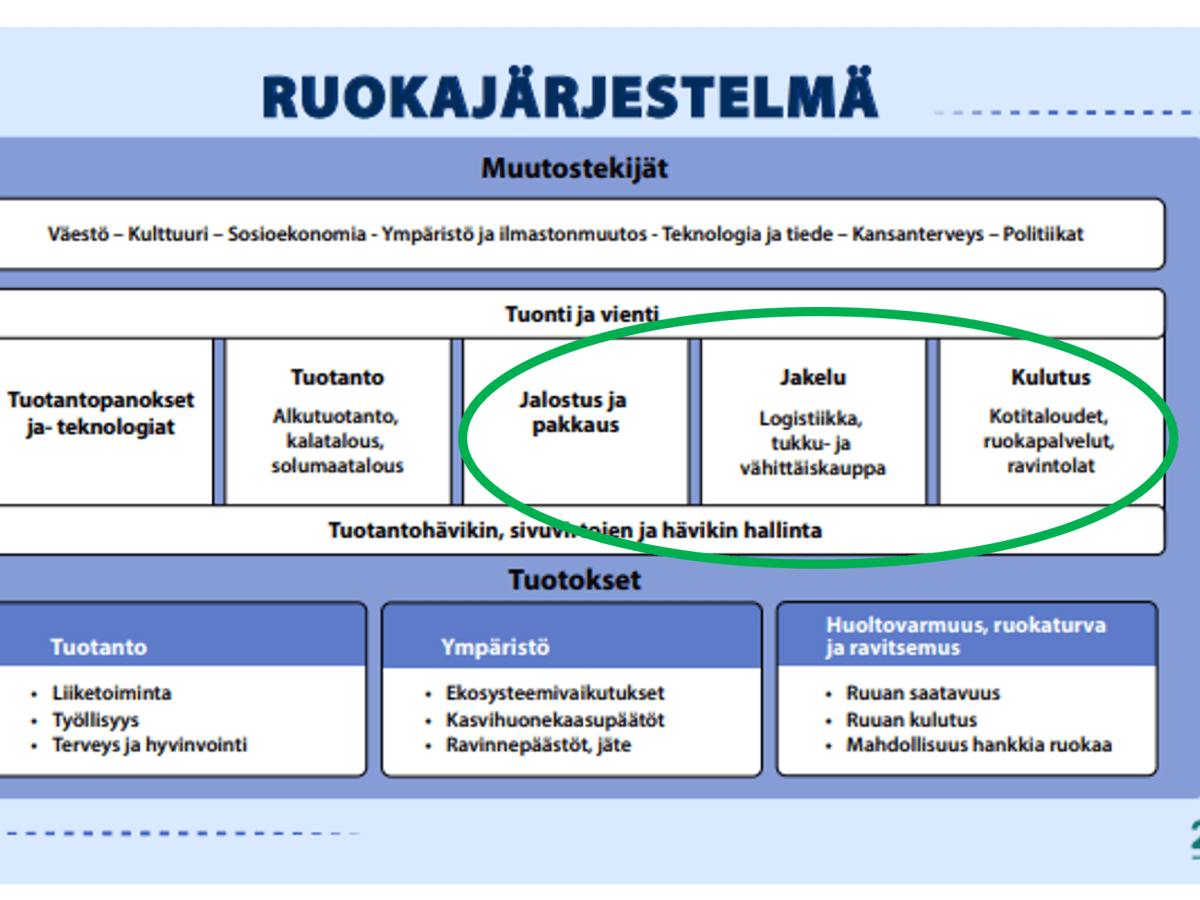
Ruokastrategia 2040 kohtaa käytännön Lahti Change(K)now-pilotissa
Kun julkinen hankinta toimii suunnannäyttäjänä, koko markkina seuraa perässä 🌍

♻️ Kuntien hankintaorganisaatiot – pakkausjäteasetuksen toimeenpanon edelläkävijöitä
Kun julkinen hankinta toimii suunnannäyttäjänä, koko markkina seuraa perässä. 🌍
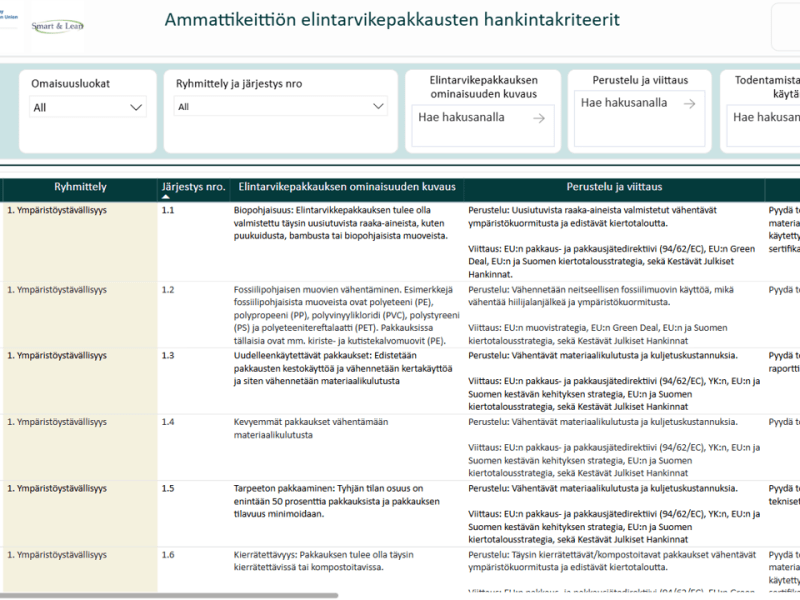
Kestäviä hankintakriteerejä elintarvikepakkauksille julkisiin hankintoihin
♻️ Miten julkiset hankinnat voivat vähentää ammattikeittiöiden pakkausjätettä? Ammattikeittiöissä syntyy merkittäviä määriä elintarvikepakkausjätettä. Esimerkiksi Lahden suurimmassa valmistuskeittiössä kertyy noin 6 000 kg pakkausjätettä miljoonaa ateriaa kohden. 🌍 Vastauksena tähän Change(K)now! Interreg Baltic Sea Region – hanke on käynnistänyt pilotoinnin Lahdessa, jossa kehitetään kestäviä hankintakriteerejä elintarvikepakkauksille julkisiin hankintoihin. 🎯 Tavoitteena on:vähentää pakkausjätettävauhdittaa kiertotalouttaedistää vihreiden hankintojen käyttöönottoa…
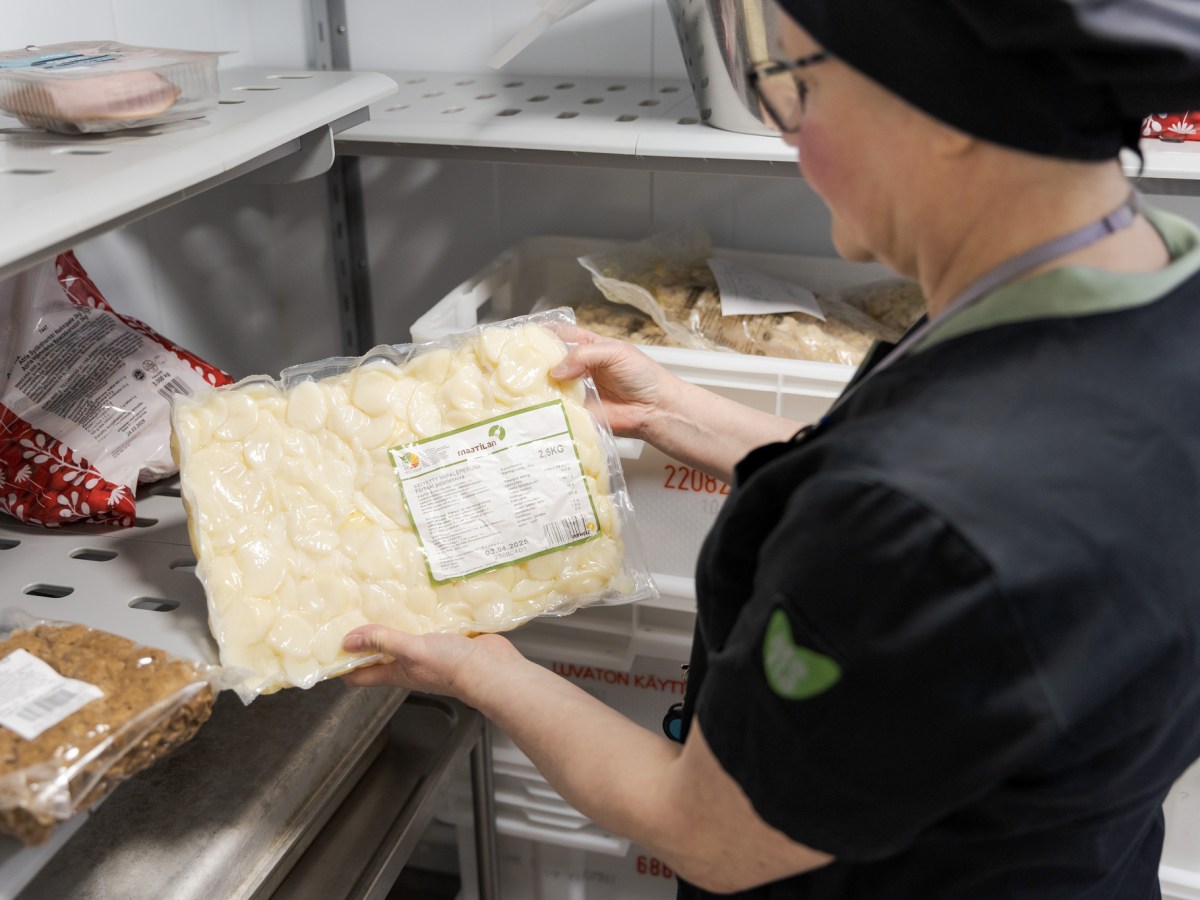
Ruokapakkausten Kiertotalous – vaatimukset ja ratkaisut
Tervetuloa työpajaan, jossa pureudutaan ruokapakkausten kiertotalouden ratkaisuihin ammattikeittiöiden näkökulmasta. Työpajassa kuulet ajankohtaista tietoa ruokapakkausten ympäristövaikutuksista, EU:n uudesta pakkaus- ja pakkausjäteasetuksesta sekä käytännön kokemuksia ruokapalveluiden pakkausratkaisuista. Lisäksi pääset osallistumaan keskusteluun ja verkostoitumaan muiden alan toimijoiden kanssa. Työpaja järjestetään 27.8.2025 klo 13:00 – 16:00 Lahdessa. Ohjelmassa Varmistuneet puheenvuorot: Tarkempi ohjelma julkaistaan elokuun alussa. Ilmoittautuminen Paikkoja on rajoitetusti, joten varaa…
The food service industry’s transition towards sustainable food packaging
How to implement systemic changes to packaging practices in the food service industry.
Lahti Pilot Action Plan for Industrial Catering
The Lahti pilot aims to identify effective measures through experiments targeting the upstream part of the institutional catering value chain.
SPRINT workshop at Lahti
The workshop utilised the SPRINT methodology to create an action plan for the Lahti pilot project. The workshop brought together stakeholders from various sectors of the food supply chain, including the packaging industry, wholesalers, and city administration.
Change(K)Now! meets in Vilnius, Lithuania
Change(K)now! aims to promote a change of mindset in food supply systems from disposable to reusable crockery and packaging for different types of use. The INTERREG Baltic Sea Region programme is funding the project activities, which are being carried out by more than 20 partners. The purpose of the 2nd General Assembly was the finalisation…
Ammattikeittiöt ja EU:n pakkausjätedirektiivi
Paljonko syntyy pakkausjätettä kun ammattikeittiössä tuotetaan miljoona lounasta?
Kerta vai kesto?
Tutkittua tietoa tilanteeseen kun teemme valinnan käytämmekö kertakäyttöisiä vai uudelleenkäytettäviä ruokailuvälineitä. Kyse on siis kiertotalouden edistämisestä. Päijät-Hämeen Liiton Johanna Snell kirjoitti aiheesta https://paijat-hame.fi/uudelleenkaytettavia-mukeja-ja-kertakayttoastioiden-kieltoja/ Projektin tekemä selvitys löytyy täältä: https://interreg-baltic.eu/wp-content/uploads/2024/05/ChangeKnow_Catalogue_2024.pdf ChangeKnow #INTERREG #BalticSeaRegion #Kiertotalous
Stakeholder and value chain mapping in Change(K)Now!
Many EU funded projects have grasped the idea to involve different stakeholder groups into the project execution. The multi-actor approach and quadruple helix model have became a real tool and concept for project managers. The idea is to promote diverse stakeholder groups participation into project planning and implementation. Stakeholders provide insights and feedback to project…
 Smart & Lean