The KijaniSpace project is a cutting-edge initiative leveraging Space and Internet of Things (IoT) technologies to transform agriculture.
KijaniSpace, meaning “Green Space” in Swahili, is a groundbreaking collaboration between African and European partners. The project integrates Copernicus Earth Observation (EO) data and IoT technologies into a unique solution platform known as KijaniBox. This platform aims to empower smallholder farmers with actionable insights for crop and fish farming, enhancing productivity and resilience against climate challenges.
Needs Assessment of KijaniBox in Lake Victoria Basin
The needs assessment phase is critical in ensuring that our technology solution – KijaniBox – meets the unique requirements of end-users.
But our ambition is higher. We also aim to exceed the requirements and achieve WOW effects.
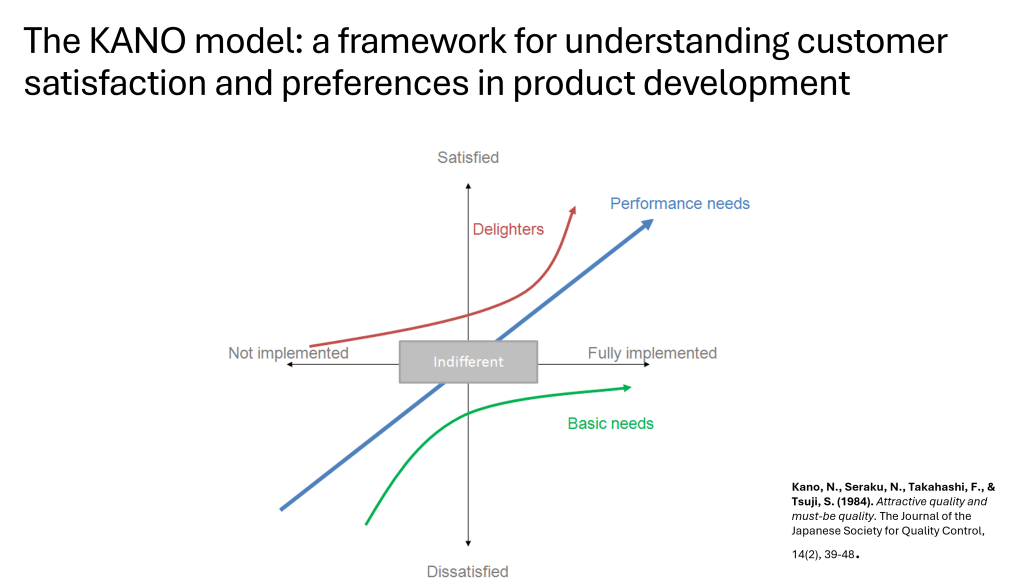
The KANO model – end-user satisfaction framework
The technology solution features can be categorized using the KANO model as follows:
Must-Have Features (Basic Needs): These are essential technologies or practices that ensure basic agricultural productivity and resilience to climate change.
Performance Features (One-Dimensional Needs): These features directly enhance productivity and profitability when improved.
Delighters (Attractive Needs): These are innovative features that exceed expectations and create excitement. They are the features that create the WOW effect.
The KANO model focuses on the features of the product, but the assessment focus must still be on the needs of the end user. We want to build features that do meet the needs of the end user.
Call to Action
To learn more about KijaniSpace or participate in its training and innovation programs, visit Project Website www.kijanibox.eu, LinkedIn and Facebook.
Climate change poses significant challenges to agriculture, especially in vulnerable regions like Africa. Addressing these issues requires innovative solutions and skills development. The KijaniSpace project is a cutting-edge initiative leveraging Space and Internet of Things (IoT) technologies to transform agriculture. This blog highlights the project’s innovative solutions and its robust training programs aimed at empowering local communities in the Lake Victoria Basin region.
About KijaniSpace
KijaniSpace, meaning “Green Space” in Swahili, is a groundbreaking collaboration between African and European partners. The project integrates Copernicus Earth Observation (EO) data and IoT technologies into a unique solution platform known as KijaniBox. This platform aims to empower smallholder farmers with actionable insights for crop and fish farming, enhancing productivity and resilience against climate challenges.
By fostering public-private partnerships and strengthening AU-EU collaborations, KijaniSpace aligns with global sustainable development goals to create green jobs and drive economic growth.
Innovation at the Heart of KijaniSpace
The KijaniBox is the backbone of the project. It is an online, integrated resource hub combining EO data with IoT infrastructures tailored for African agricultural needs. Unlike other platforms, KijaniBox uniquely incorporates local climate, soil, and socio-economic data to develop region-specific solutions. It provides:
Real-time agricultural monitoring: Integrating local IoT sensor data with satellite observations to deliver precise environmental insights.
Custom applications: Enabling stakeholders to create innovative algorithms and services tailored for their local contexts.
Scalability: Designed initially for the Lake Victoria Basin, the KijaniBox can be adapted for use in other African regions.
These advancements place KijaniSpace ahead of existing initiatives, addressing unique regional challenges through localized, practical solutions.
Empowering Communities Through Training
Capacity-building and skills development are essential to ensuring the long-term impact of KijaniSpace. Two cornerstone programs, the Space-IoT Talent Program and the Space-IoT Innovation Program, aim to nurture innovation and technical expertise.
Space-IoT Talent Program:
Targets young researchers, engineers, and developers.
Combines online and hands-on training, including hackathons.
Participants develop minimum viable products (MVPs) for climate-smart agriculture using KijaniBox resources.
Space-IoT Innovation Program
Supports small- and medium-sized enterprises (SMEs) to enhance existing products with EO and IoT technologies.
Provides access to tools, training, and funding, enabling SMEs to create market-ready solutions.
Encourages regional innovation by addressing challenges like water quality monitoring and precision irrigation.
Demonstrating Impact
The project will showcase the KijaniBox’s potential through pilot applications in the Lake Victoria Basin. These include predictive irrigation systems and water quality management tools. These applications demonstrate how cutting-edge technology can address the specific needs of farmers and foster sustainable agricultural practices.
A Vision for the Future
KijaniSpace is more than a technological initiative; it’s a movement to create an inclusive innovation ecosystem in Africa. By combining the latest advancements in EO and IoT technologies with robust training programs, the project aims to catalyze regional development while addressing global climate challenges.
Stay tuned for updates as KijaniSpace continues to redefine agriculture and innovation in Africa.
Call to Action
To learn more about KijaniSpace or participate in its training and innovation programs, visit Project Website www.kijanibox.eu, LinkedIn and Facebook.
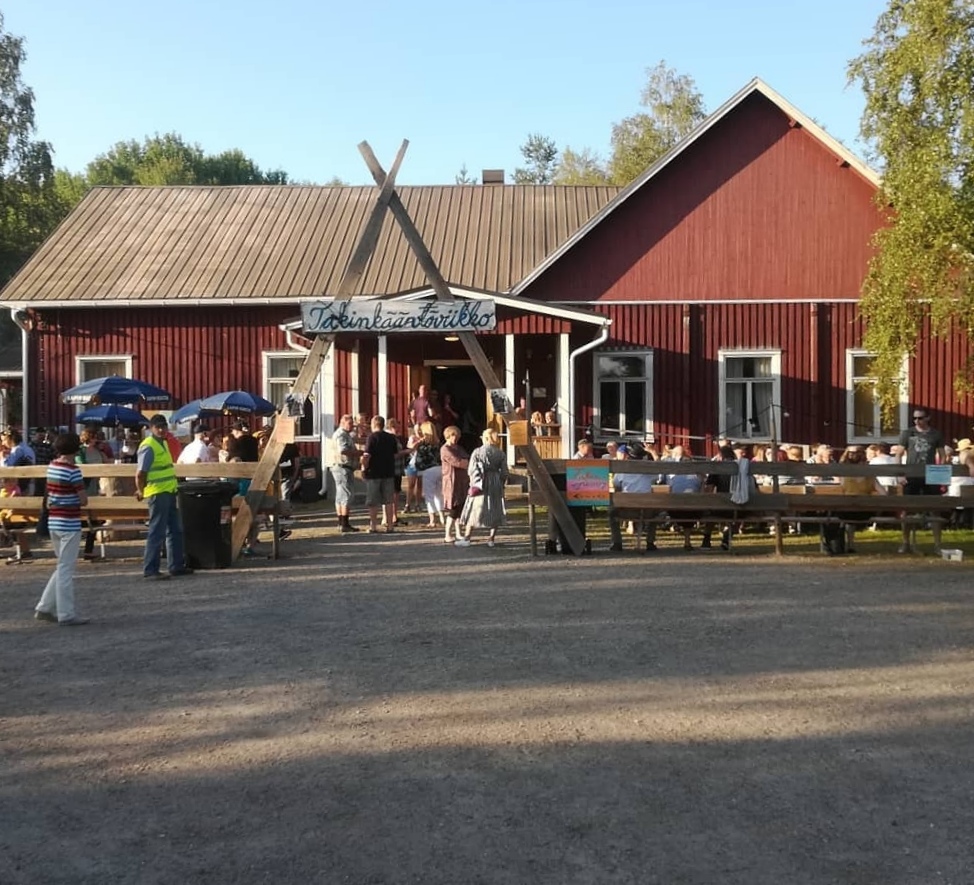
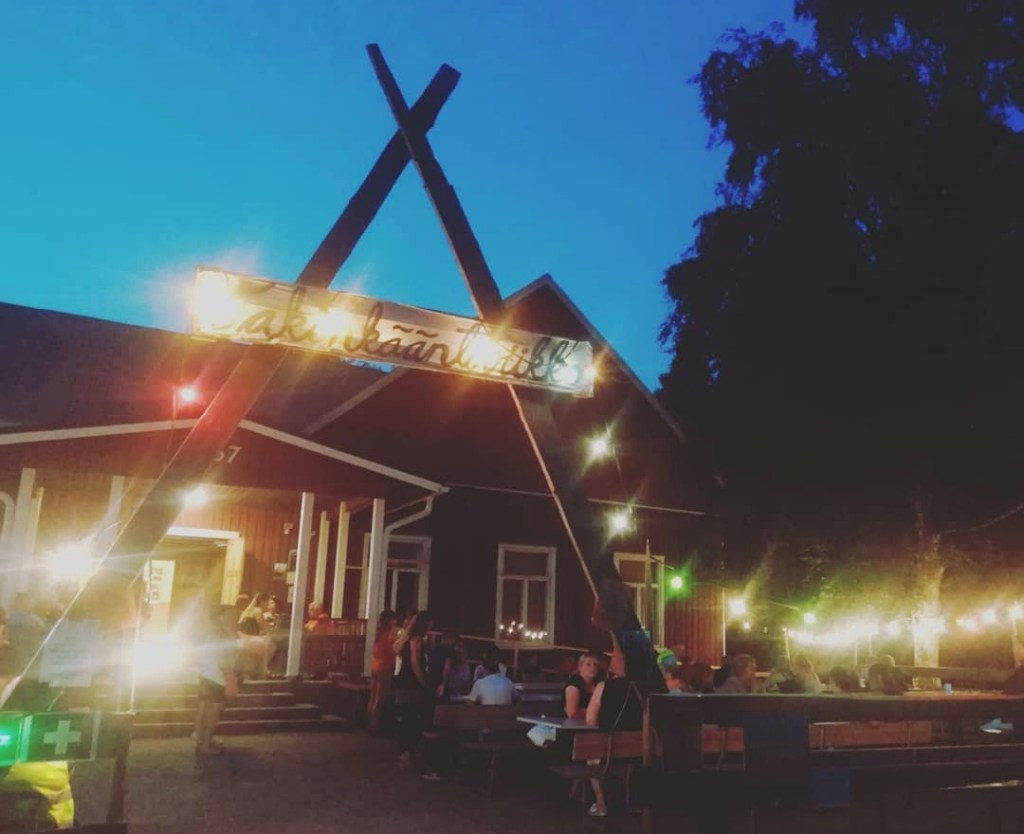
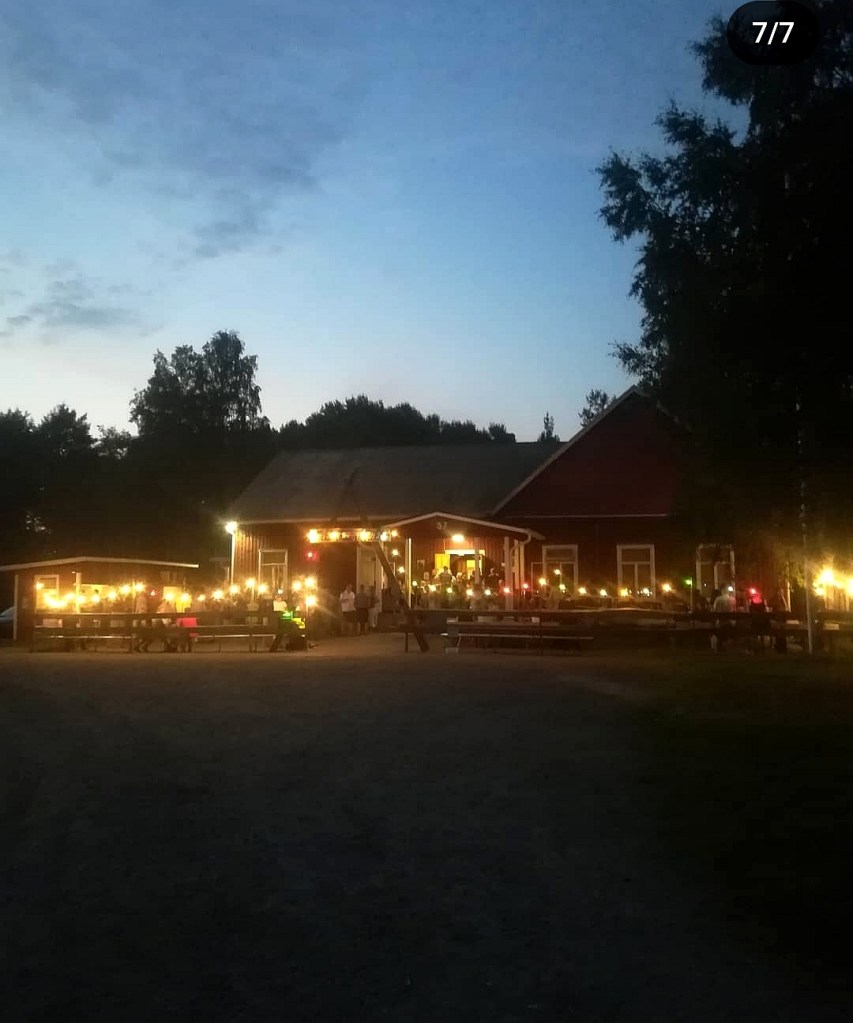
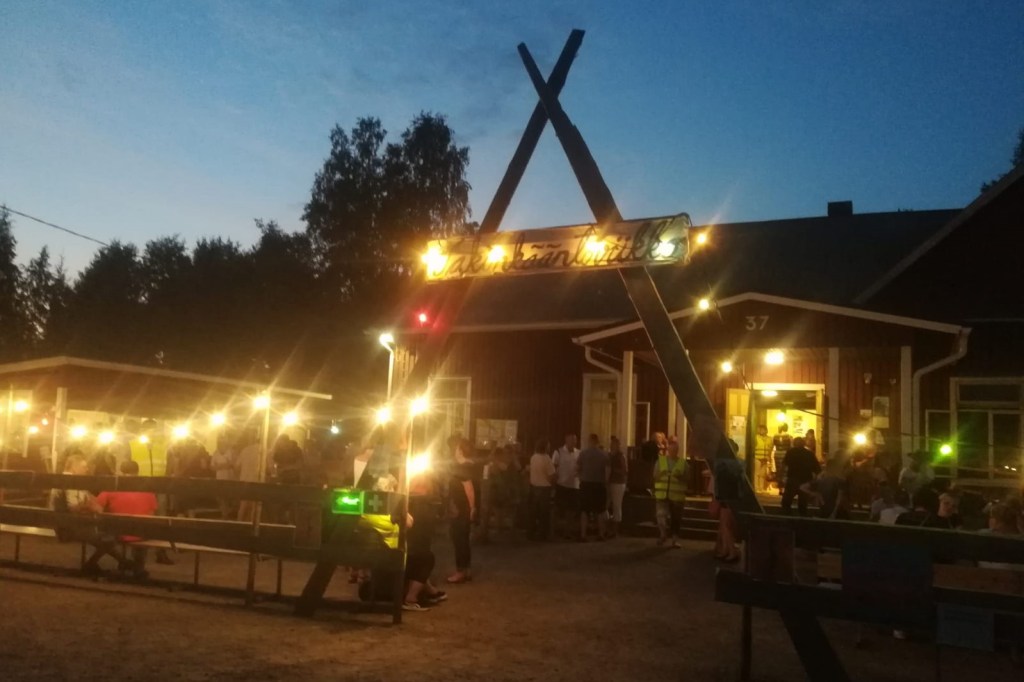
This year, the Mallusjoki Summer Festival – Takinkääntöviikko – is being used as an innovation platform for the Rural Event Industry.
The platform provides a test-bed for real-life experiments and a relaxed environment for a multi-actor approach to promote interaction with stakeholders and ecosystem players who come to the festival from both rural and urban areas.
The PoliRuralPlus Mallusjoki pilot team has four areas of focus during the festival:
Mallusjoki Village House premises for rural events – the team will monitor and evaluate how the improvements which have implemented to the venue will affect guests and artists.
Mallusjoki event guests’ feedback on the event – the team will sense the guests’ reactions to understand better the “Moments of Truth“
Mallusjoki community members and volunteers’ feedback on the event – the team will discuss on building community sense through volunteer work.
Rural Event Industry Ecosystem – the team will communicate about the ecosystem and invite new members to join in.
Takinkääntöviikko
24-26 July 2024
Soon the wait will be over and the world’s best summer festival, Mallusjoki Takinkääntöviikko, will offer us great summer music nights in an idyllic rural setting on 24-26 July 2024! This year we’ll be celebrating for three days from Wednesday to Friday and with even more energy!
Doors open at 6 pm and the music, food, drink and atmosphere will go on until late into the night. What’s even more special is that these festivals are free for everyone.
Mallusjoki pilot’s aim is to gather a stakeholder panel and carry out actions which will add value to all participants. The pilot builds on Social Exchange theory which is a concept based on the idea that social behavior is the result of an exchange process. Social exchange is cooperation for mutual benefit. It is an “I’ll scratch your back if you scratch mine” principle. In any case, Mallusjoki pilot builds upon long-term stakeholder relationships and the pilot has a policy, tolerance and patience to wait for the pay-back.
The following two Mallusjoki pilot stakeholder meetings are about Smart Villages concept and synergies in the regional cultural events
The aim of the consultation meeting was to get first-hand information from the main authorities about the policy and strategy for implementing the Smart Village concept in Finland. The take-away was that the Ministry is committed to promoting the Smart Village concept and that there are also funds in the budget.
The authorities and agencies responsible for implementing the Smart Village strategy are looking forward to receiving innovative and practical ideas and funding applications from the villages.
Building synergies with cultural heritage projects in the Päijät-Häme region
The stakeholder member present was Joonas Pokkinen from the Regional Council of Päijät-Häme. He leads several regional cultural heritage projects. He is well informed about regional policies and strategies in the field of cultural heritage. Our discussion touched on possible synergies at policy and project level.
The following conclusions were drawn:
Päijät-Häme Regional Council promotes coordination of cultural work between municipalities
The PoliRuralPlus project and the Mallusjoki pilot project see advantages in linking up with other cultural projects in the region.
An interesting benchmark case is the Community Event Arena in the village of Jaala, which aims to promote cultural life in the village through a new arena. The investment was 1 MEUR.
PoliRural – The importance of stakeholder group work in rural development work
In the PoliRural project, stakeholder participation was a significant part of the activities when innovating new tools for the development of rural policy. The project resulted reason to explore the dynamics of stakeholder work more broadly and to consider it as part of the activities of higher education institutions. This article highlights insights on stakeholder work from the point of view of actors, with an emphasis on rural development networks. Experiences are gathered from the PoliRural project, which has already ended, and from the survey of stakeholders in the Kanta and Päijät-Häme region.
Identifying the right people for stakeholder work is important. The group can be well-defined or based e.g., on recommendations, which was considered one of the good ways to get the right people involved in stakeholder groups according to the survey. Multi-actor stakeholder group who knows the needs of target group are essential for the development work.
Commitment to stakeholder group work is influenced by many factors, such as the person’s motivational factors, position, participation in the activity, role, assigned tasks and the meaningfulness of the activity. Experienced stakeholder group members had slightly more motivation for stakeholder group work than inexperienced members. The stakeholder group itself is already a motivating factor, through which you learn something new and get a new perspective on your own work. The group’s internal motivation includes e.g., openness, equality, working together and an immediate atmosphere. Development projects are hoped that they will purposefully produce concrete and impressive results.
The research publication “The importance of stakeholder group work in rural development work on” is shared at HAMK Unlimited platform in Finnish language.
Lento, S., Löytty, T., Pölönen, I., Anttila, M., Friman, M., Korkiakoski, P. & Salminen, J. (2024). Sidosryhmätyöskentelyn merkitys maaseudun kehittämistyössä. HAMK Unlimited Journal, 26.3.2024
The findings of the study are to be considered in the new Horizon Europe program funded project, PoliRuralPlus.
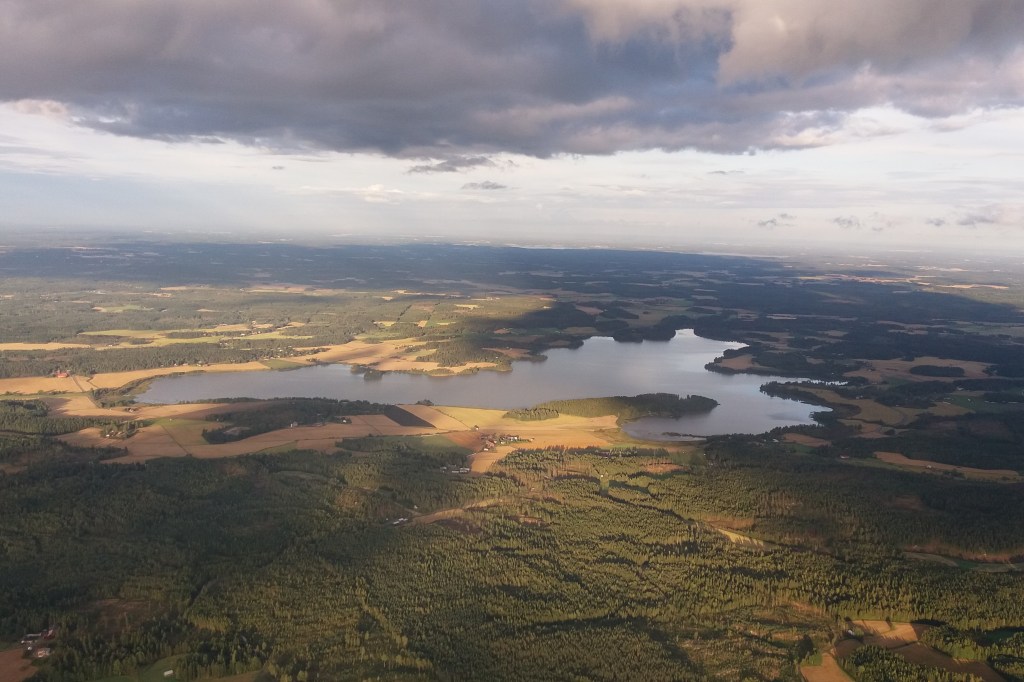
In Finland, PoliRuralPlus is implemented in Mallusjoki village which locates in Orimattila city region, in Päijät-Häme. The Finnish consortium partners are Mallusjoki Youth Association and Smart & Lean Hub Oy.
Mallusjoen Nuorisoseura ry i.e. Mallusjoki Youth Association provides the innovation platform and it is the other Finnish partner, besides Smart & Lean Hub Oy, in the consortium.
MALLUSJOKI PILOT DESCRIPTION
Building the Rural Event Industry Ecosystem supporting the meaningful mission of the community and a possibility to impact the future of the village.
Aiming to better self-esteem via events that are noted in Southern Finland, along with new opportunities for employment and career.
Creative sector artists will come to create content for the Rural Events attracting urban visitors who look for unique special places.
This is tourism from Cities to Rural.
ANTICIPATED RESULTS OF MALLUSJOKI PILOT
The Rural Event Industry Ecosystem concept and the Rural Event Industry strategy 2040 for Mallusjoki Youth Association.
DISCLAIMER: Co-funded by the European Union. Views and opinions expressed are however those of the author(s) only and do not necessarily reflect those of the European Union or European Research Executive Agency (REA). Neither the European Union nor the granting authority can be held responsible for them.










 Smart & Lean